


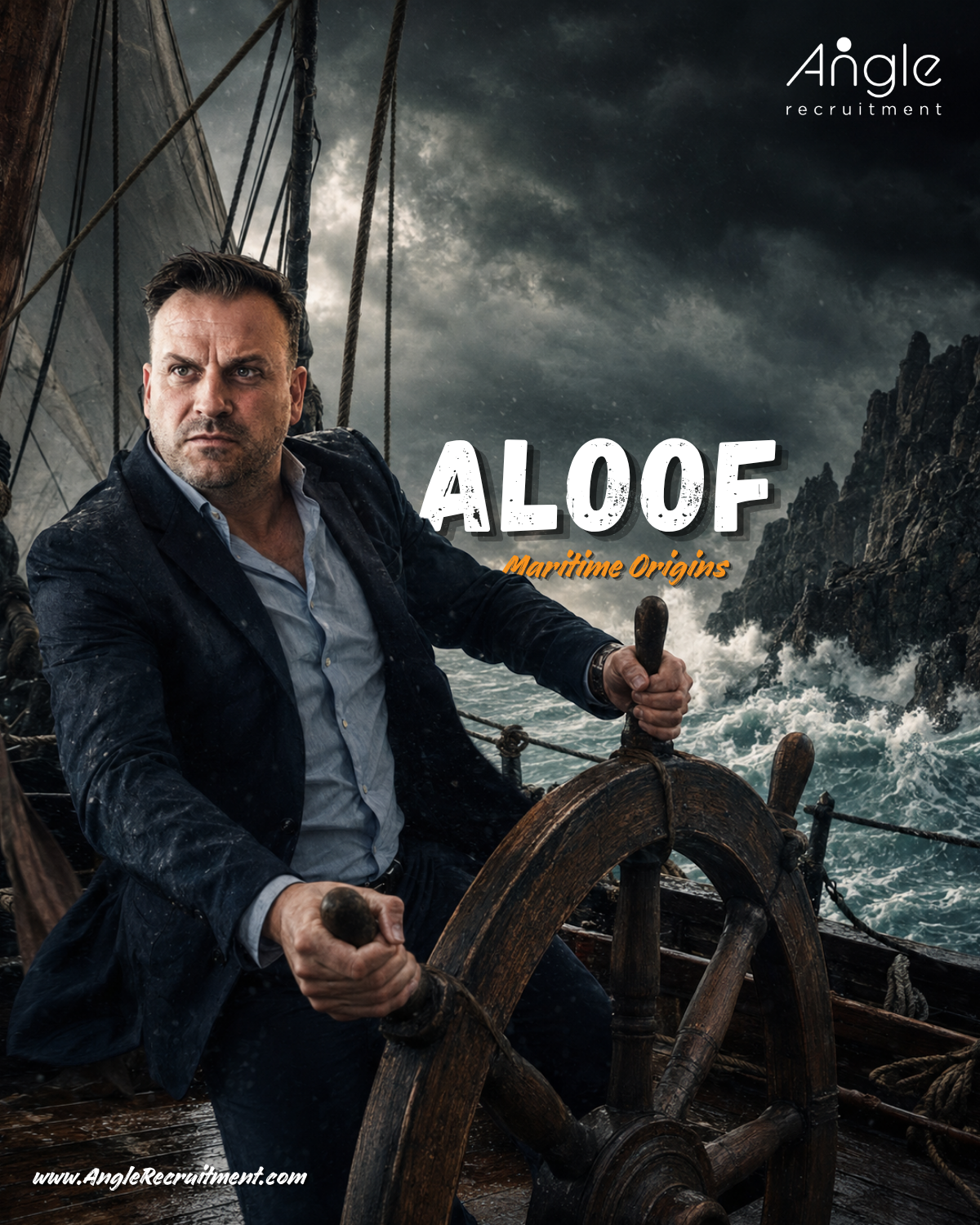
Aloof: Today, a snub. Before, a steer.
I worked with someone who never looked up from their screen when I spoke to them.
They'd suck the energy out of the room… and my soul.
There's a word for it. And it started at sea.
ALOOF.
⚓️
"Keep aloof" started as a ship captain's order.
It comes from "loof" or "luff", the order to steer the ship's head towards the wind and away from rocks and ruin.
Keeping aloof meant holding off deliberately.
Staying clear for a reason.
Then coming back once the danger had passed.
It climbed off the ship and into everyday speech by the 1500s.
A word for keeping clear of danger became a word for keeping clear of company.
From survival to standoffish.
⚓️
Aloof was supposed to be a temporary heading, not a permanent one.
You don't just hire a person.
You hire the weather they bring in with them.
Fun Facts
🪨 A lee shore was the most feared thing aboard a square rigger. No engine, nowhere to go but sideways.
⛵ Luffing
still means a sail flapping because you’ve held too close to the wind.
⚓️ Luff still lives at sea.
When a sail flaps because you've steered too close to the wind, she's luffing.
SY folk… still keeping the word alive out there?
⚓️ The thing "aloof" kept you clear of was a lee shore, the wind at your back shoving you onto the rocks. Still every mariner's nightmare today.
⚓️ "Luff" came from the Dutch "loef”.
Meaning windward, and it's far from alone. Skipper, yacht, cruise, keel, buoy, deck, all sailed over from the Low Countries. Half of English sailing talk is borrowed Dutch.
Maritime Origins is a weekly storytelling series exploring the sea-born origins of phrases we still use on land, along with the lesser-known stories, legends and characters that shaped maritime culture.
Created by Jason Nangle, founder of Angle Recruitment, a global maritime recruitment and executive search firm.
New episode every Tuesday on LinkedIn. Also on Instagram, YouTube and Facebook.
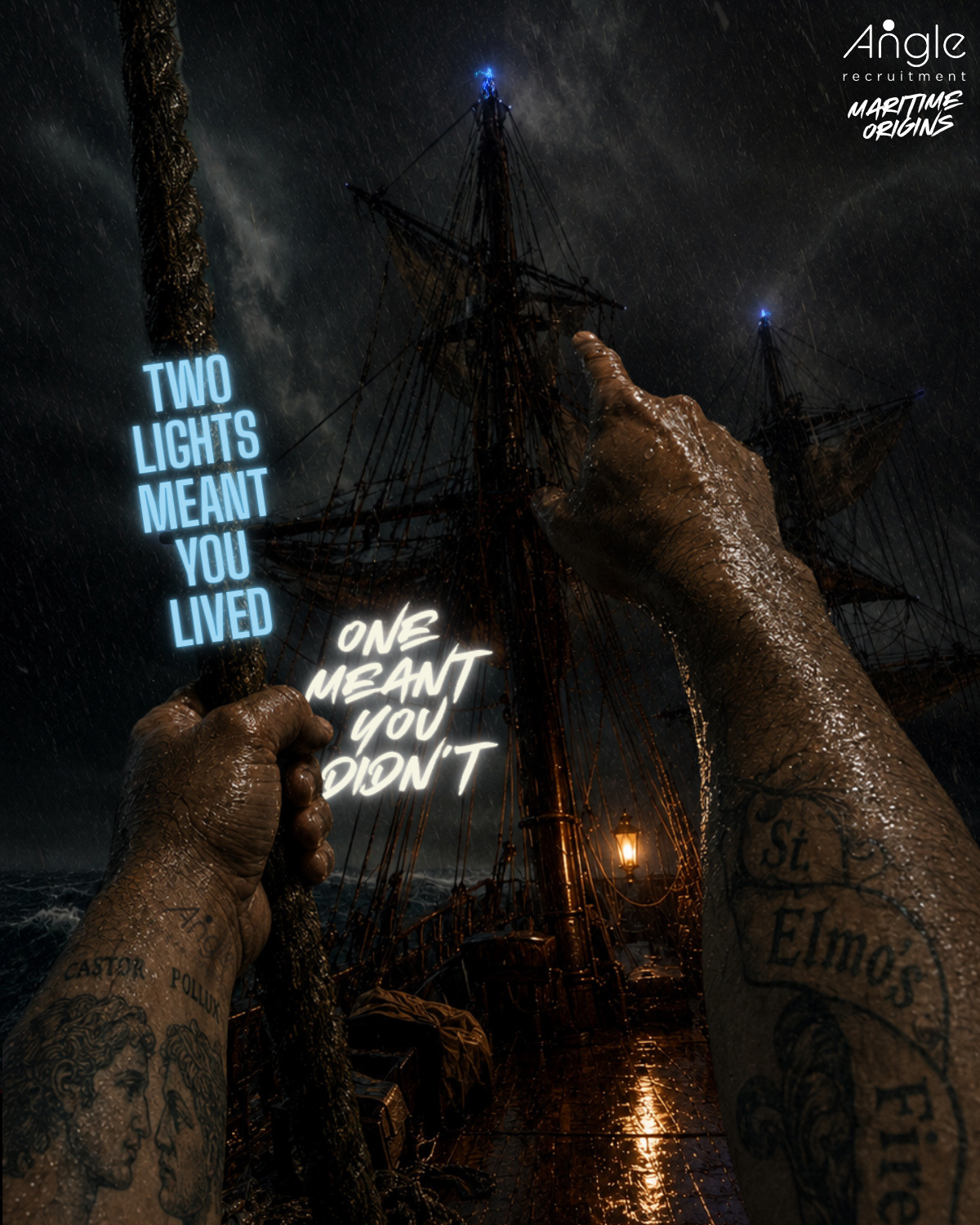
The mast glows blue. No heat, no flame, just tension in the air. Once a sign from the gods, now called St Elmo’s Fire. Still enough to unsettle any crew.

After the Benlomond sank in 1942, Poon Lim spent 133 days alone on a life raft, surviving through ingenuity, resourcefulness and extraordinary determination.
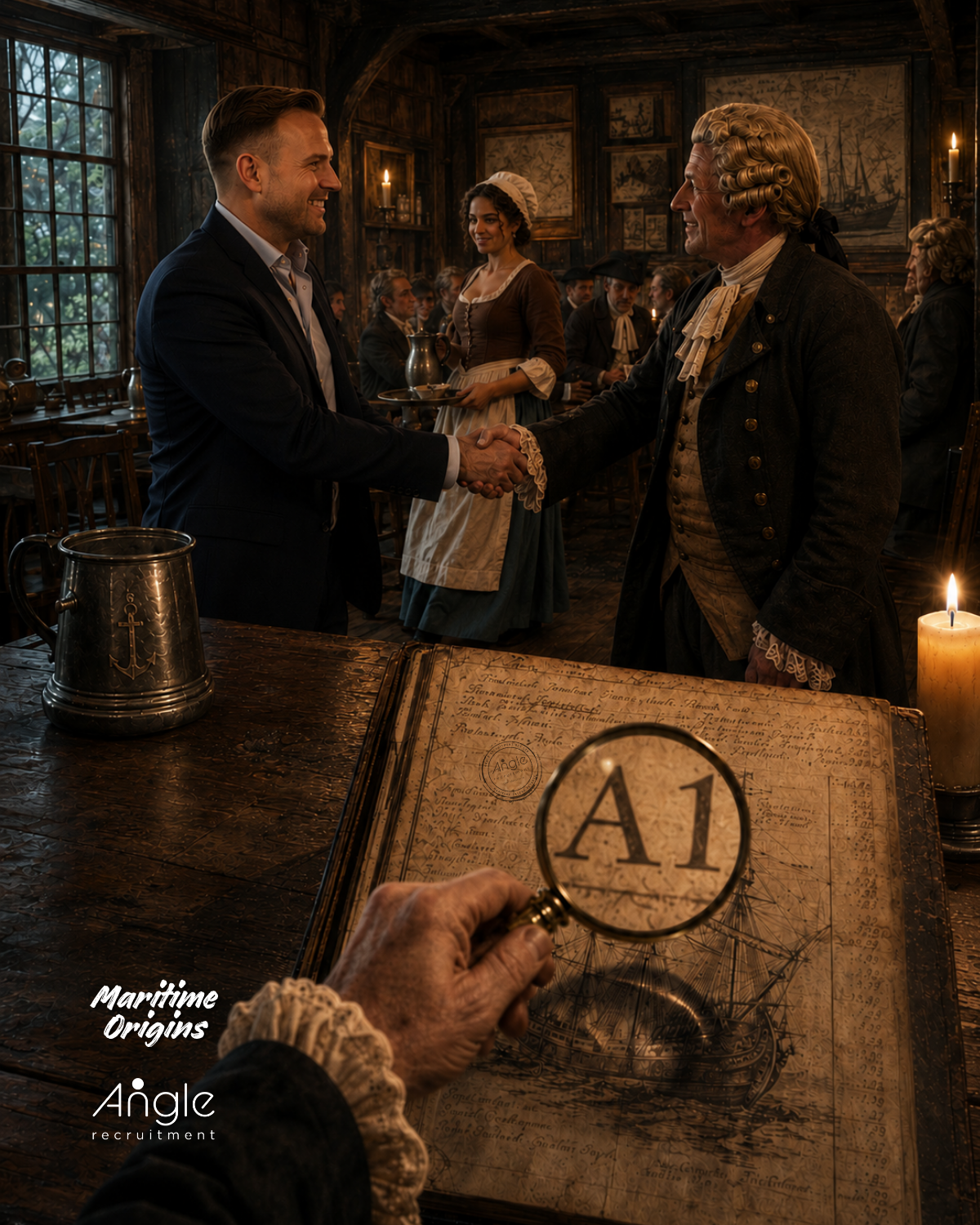
A1 wasn't always a boast, it started as a ship survey at Lloyd's coffee house in the 1680s. Discover how two characters became shorthand for the best today.