


#MaritimeOrigins
Stories, phrases and characters from maritime history. Still echoing today.
Maritime Origins is a storytelling series exploring the fascinating history behind everyday phrases that originated at sea, as well as the remarkable stories, traditions and characters that have shaped maritime culture.
Many sayings still used today were first spoken by sailors navigating the challenges of life on board ships. Alongside these phrase origins, the series also highlights lesser-known maritime stories, legends and historical moments from the world of shipping.
Through short stories and visual posts, Maritime Origins connects the language, heritage and traditions of seafarers with the modern maritime industry.
New posts in the series launch every Tuesday on LinkedIn and are then shared across other platforms including Instagram, YouTube, Facebook, TikTok and X.
Maritime Origins is created by Jason Nangle, Founder of Angle Recruitment, a global maritime recruitment and executive search firm.
Follow Jason Nangle on LinkedIn and Angle Recruitment across your preferred social platforms..

The golden rivet: the shipyard wind up that sent every new hand into the bilges, the Royal Navy's ruder version, and the hidden talent recruiters actually find.
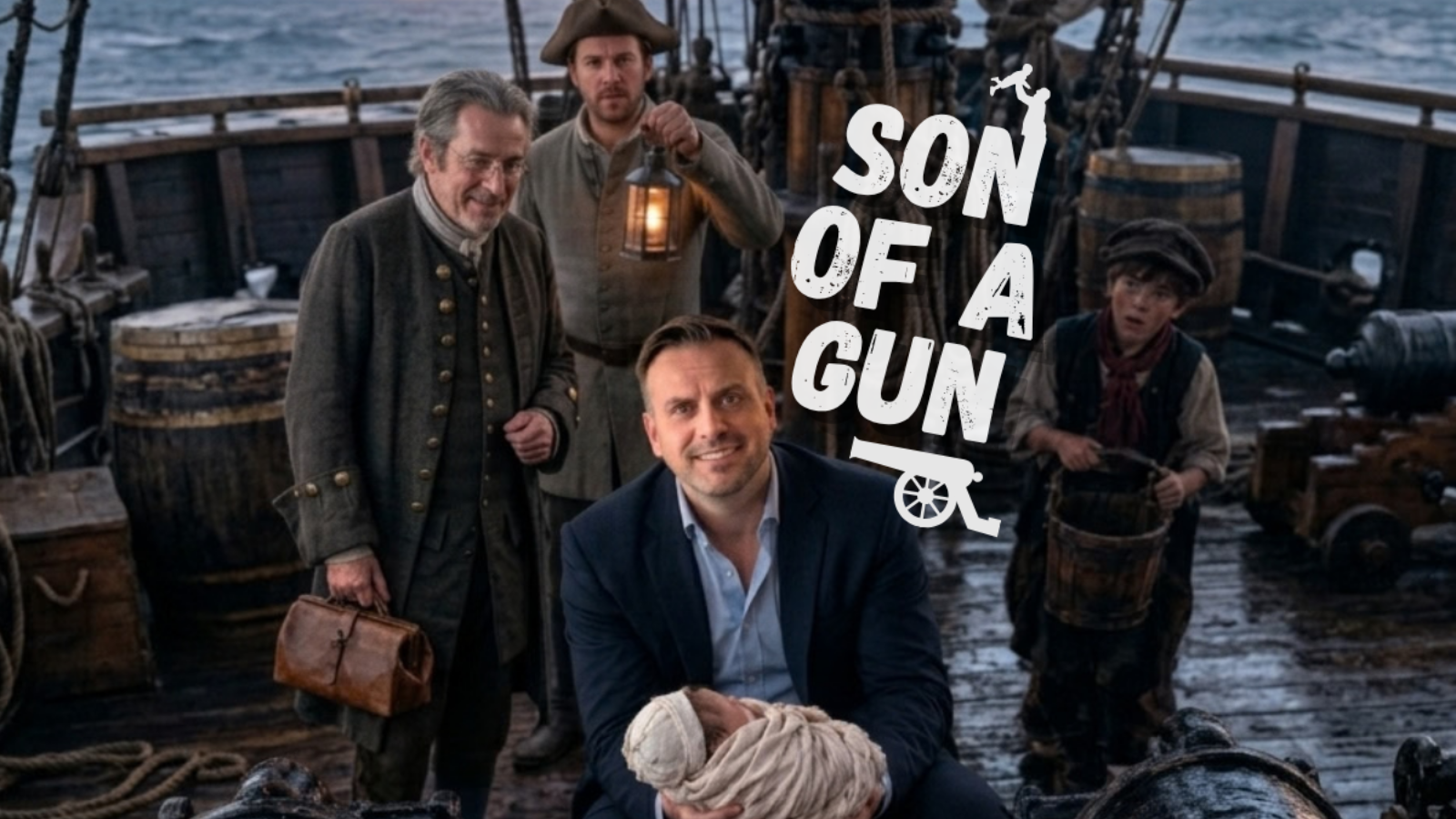
Where "son of a gun" really comes from: babies born between the cannons on Royal Navy gun decks. The history, the fun facts and why it now means grit.
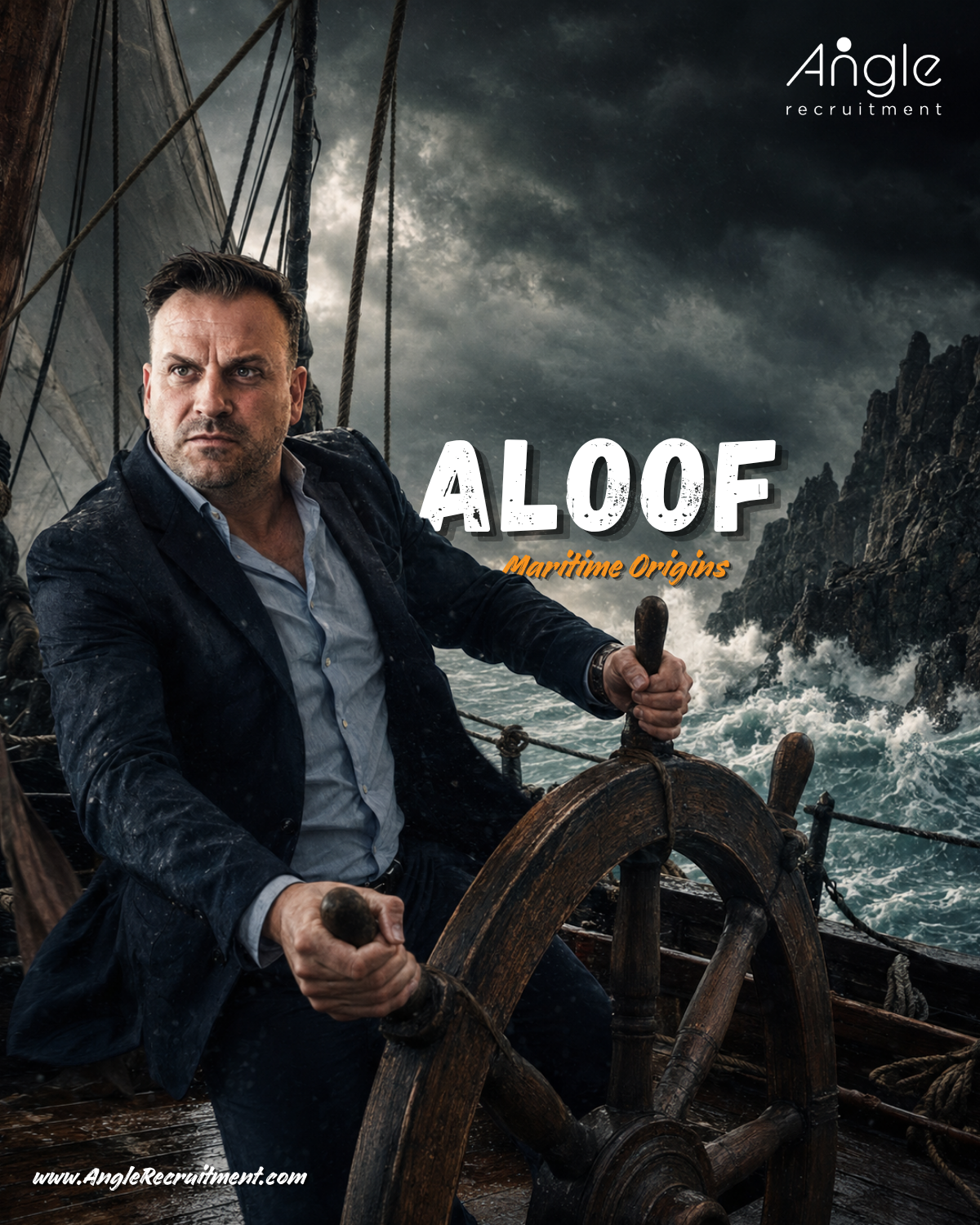
Aloof began as a Tudor helm order to keep a ship's head to windward and clear of a lee shore. How a lifesaving steer became a snub. Maritime Origins.
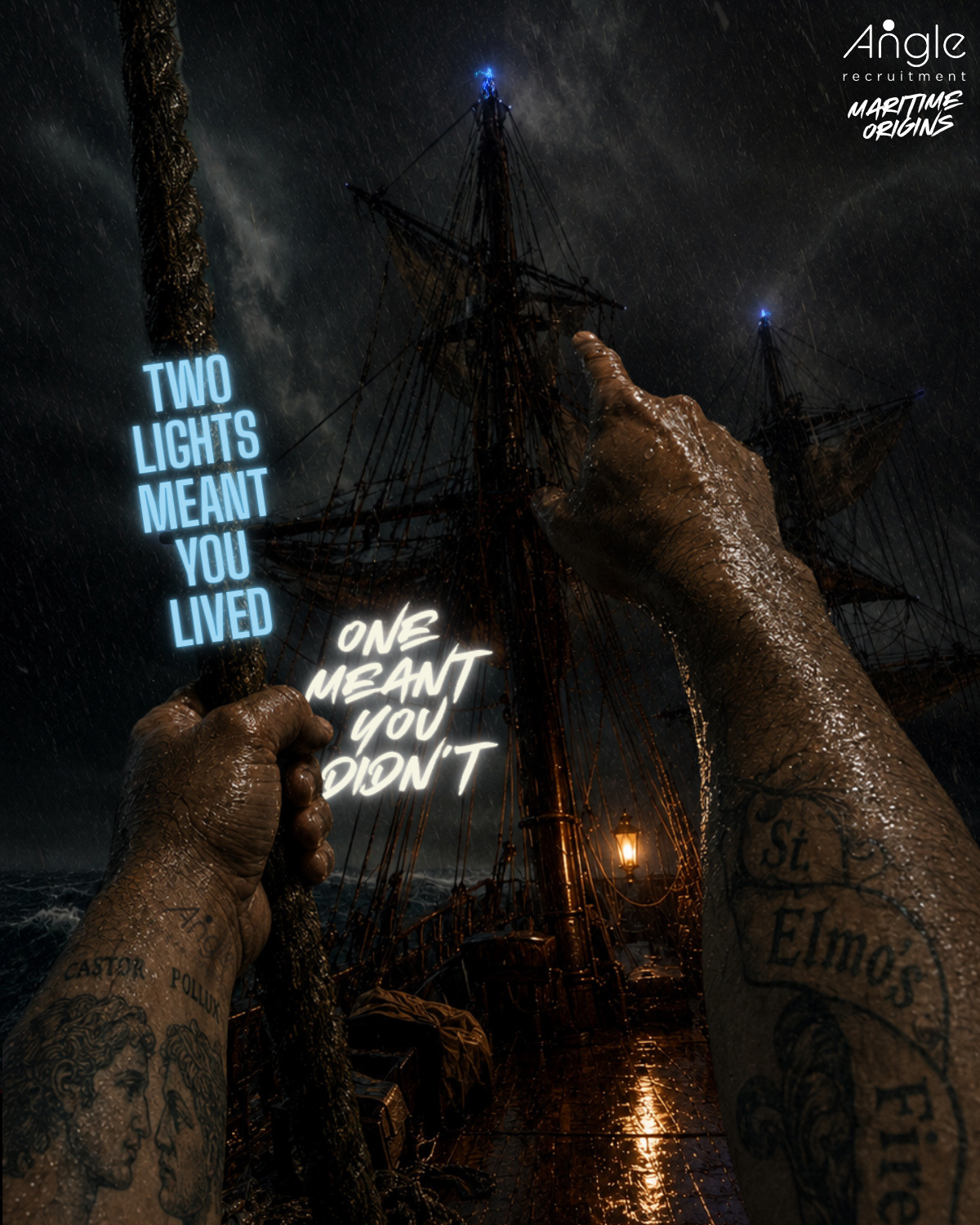
The mast glows blue. No heat, no flame, just tension in the air. Once a sign from the gods, now called St Elmo’s Fire. Still enough to unsettle any crew.

After the Benlomond sank in 1942, Poon Lim spent 133 days alone on a life raft, surviving through ingenuity, resourcefulness and extraordinary determination.
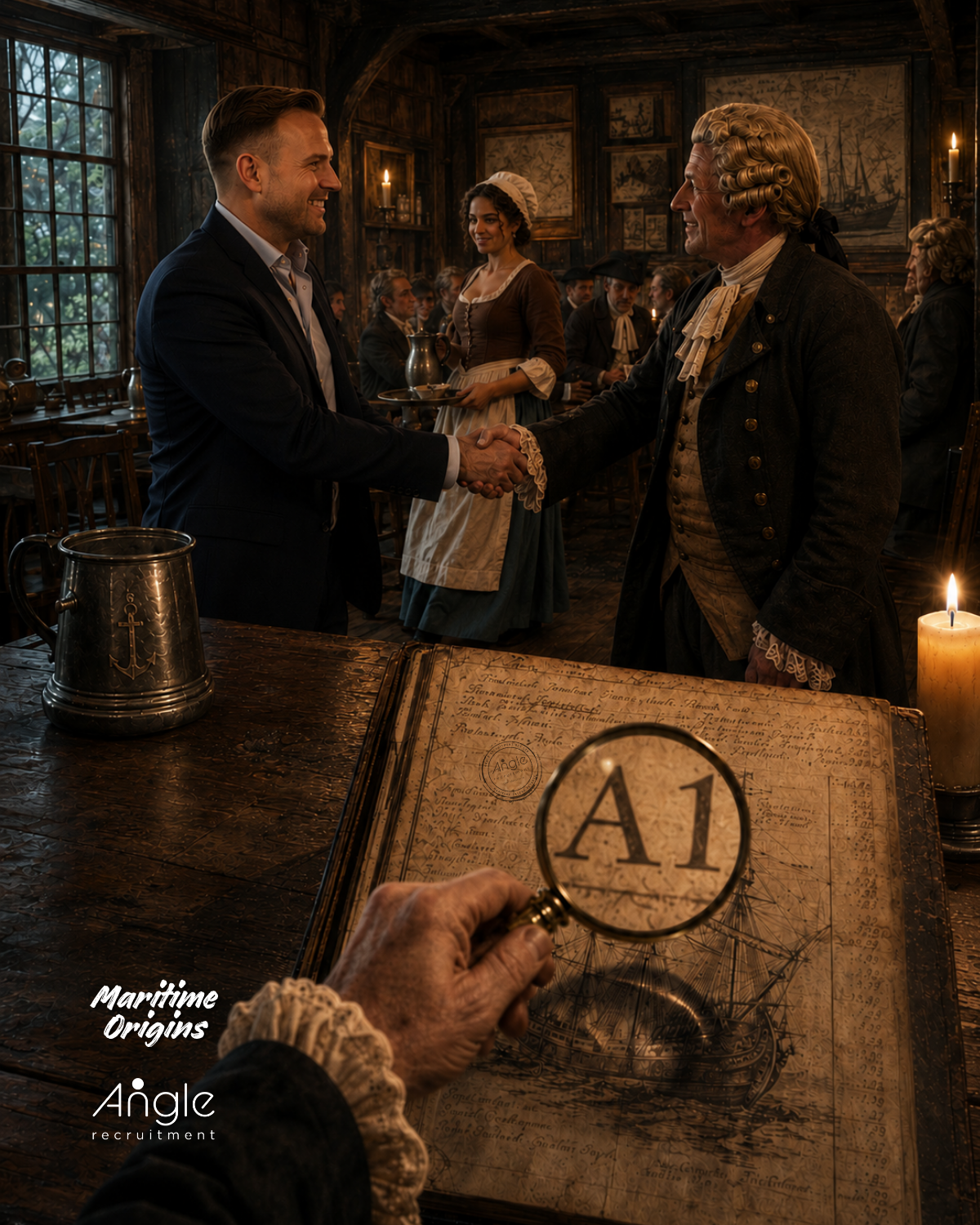
A1 wasn't always a boast, it started as a ship survey at Lloyd's coffee house in the 1680s. Discover how two characters became shorthand for the best today.
Sailors had a phrase for a rite of passage that killed 10,000 of them, Rounding the Horn. Discover the deadly voyage and what it takes to survive in recruitment.
The sailor's habit of watching the sky before the storm, and why recruiters never really switch it off
Piss boats, switched barrels, or 1700s slang? The three competing origins of "taking the piss", why historians can't agree, and the theory we'd put money on.

Why did sailors take an axe to their own anchor? The maritime origin of "cut and run", and what it teaches us about leaving jobs, and bad hires, behind.

Bear-shirts, bare chests, or a total loss of control? Discover the brutal 1,000-year history behind going "berserk" and how the Norse sagas still argue.

The most successful pirate in history: a woman who commanded 1,800 ships, beat three navies, then negotiated a pardon and retired rich.
Why do we say 'dead as a dodo'? It started as a sailor's insult, fool or fat arse, but the bird wasn't stupid at all. It simply trusted the wrong ships in 1598.
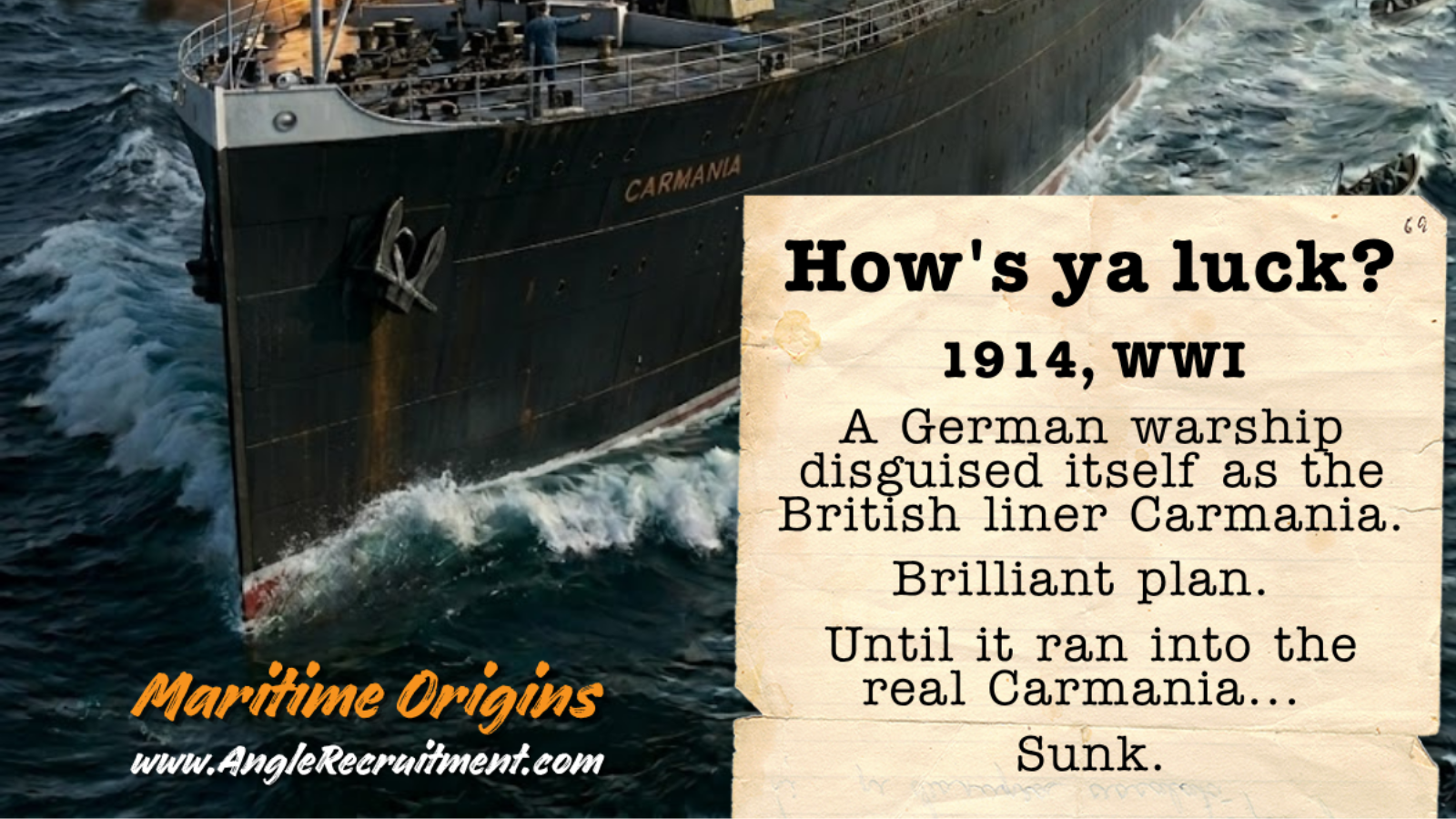
In 1914 a German warship disguised itself as the British liner Carmania, then was sunk by the real Carmania in the first ever battle between two ocean liners.
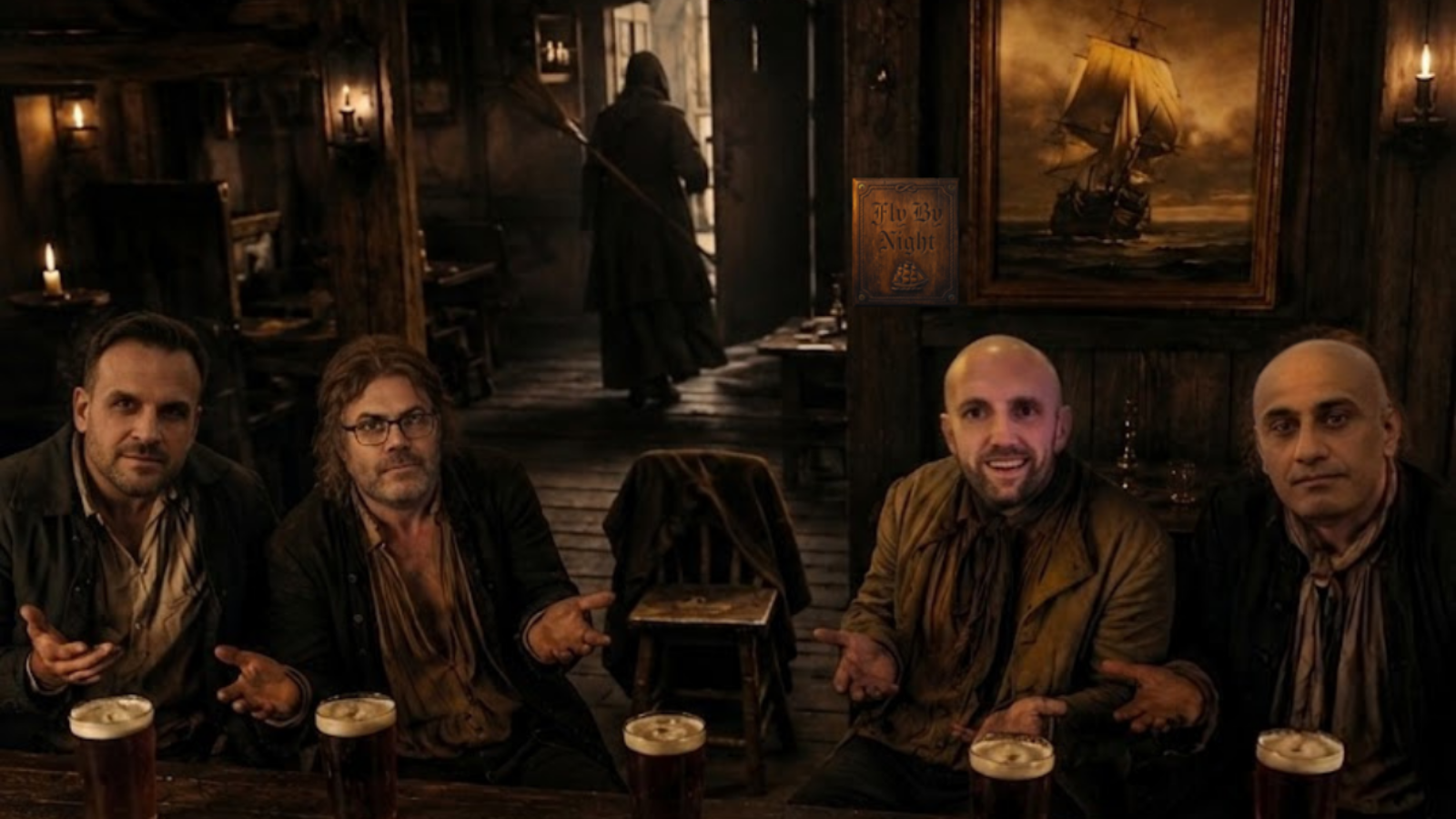
It was Darren's round, then he was gone. The surprising story behind 'fly by night', from a witch slur, to a debtor, to a sail that flew through the night.
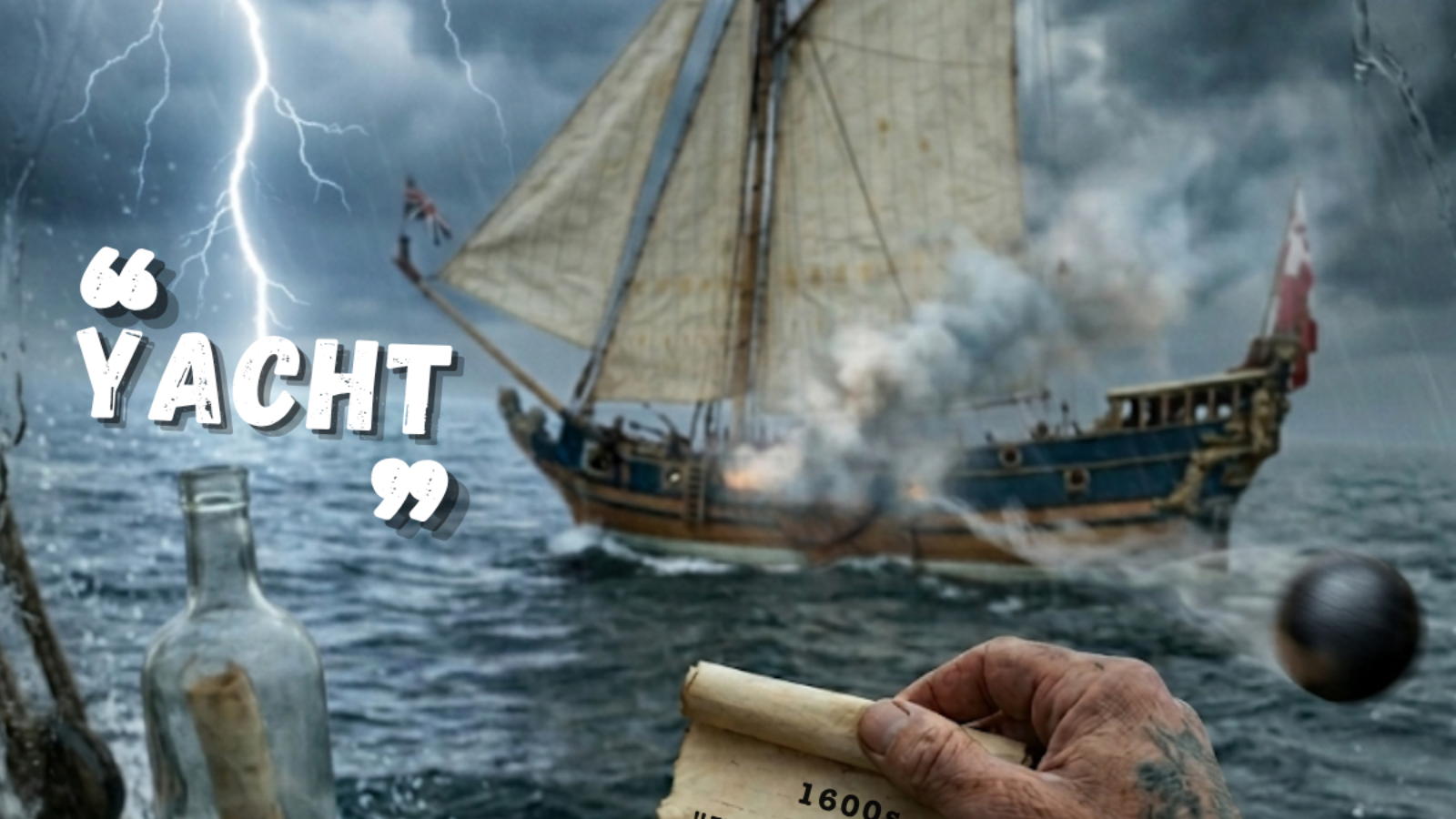
The word 'yacht' started life as a Dutch pirate hunting ship, long before it meant luxury. The story behind the name.

The phrase Dutch courage began in the 1580s, when Dutch soldiers drank jenever before battle. The English took the habit, the gin, and turned the name into a jibe.

Discover the maritime origin of “slush fund” - from greasy ship leftovers sold ashore to one of history’s most infamous phrases for hidden money.

'In irons' began as a phrase for a shackled prisoner. Sailors borrowed it for boats stalled head-to-wind. Now it's how candidates describe being stuck at work.
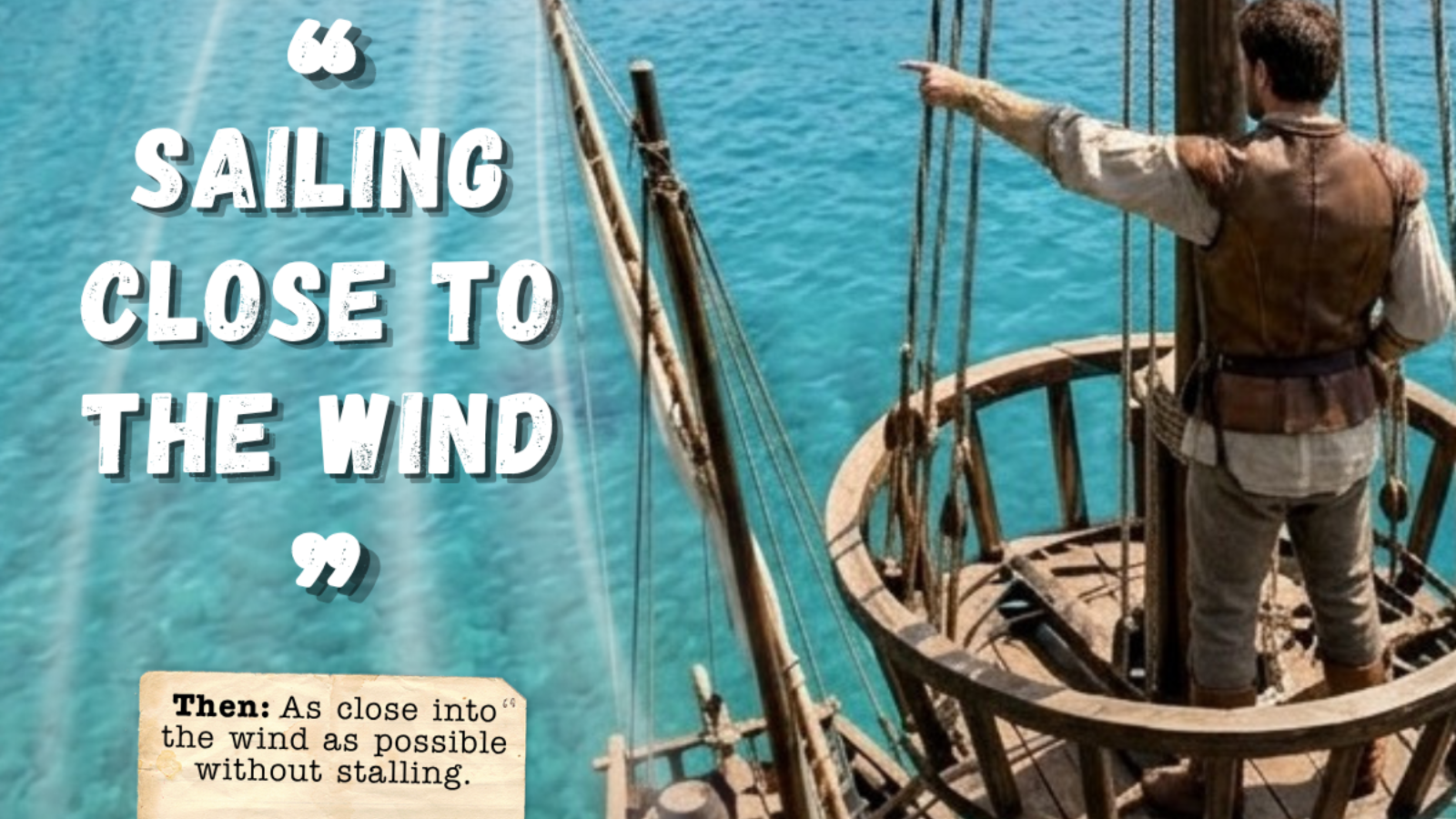
Sailing close to the wind" has 2,000-year-old maritime roots. The phrase still describes operating as close to the limit as possible without crossing it.
There's nothing average about 'average'. Born in a shipwreck, the word traces back 2,800 years and still costs cargo owners millions when ships go wrong.

'Blowing smoke up your arse' was once life-saving medicine. 18th century doctors used tobacco smoke enemas to revive drowning victims. Now it just means flattery.

The maritime origins of "in the doldrums," a sailor's phrase from the age of sail used for the windless belt near the equator where ships could sit becalmed for weeks.

In a hammock in a wooden sailing ship. A woman’s leg sticks up from a nearby hammock, “From ‘Show a leg’… ‘Shake a leg’ stuck!”

Dog watch comes from sailing ships: two short two‑hour watches (4–6pm, 6–8pm) that split a shift, rotating duties so no crew was stuck on the same hours every night.
Did you know 'nausea' has maritime origins? Jason Nangle shares a cruise ship story you won't forget, and the Ancient Greek word that started it all, nausia.
Jason Nangle explains how the Royal Navy command “go astern” slipped ashore in Singapore and Malaysia, and why drivers still use it today.
Did you know “ahoy” was once the favoured way to answer the telephone? Why Alexander Graham Bell backed it, and how “hello” won the battle on land.
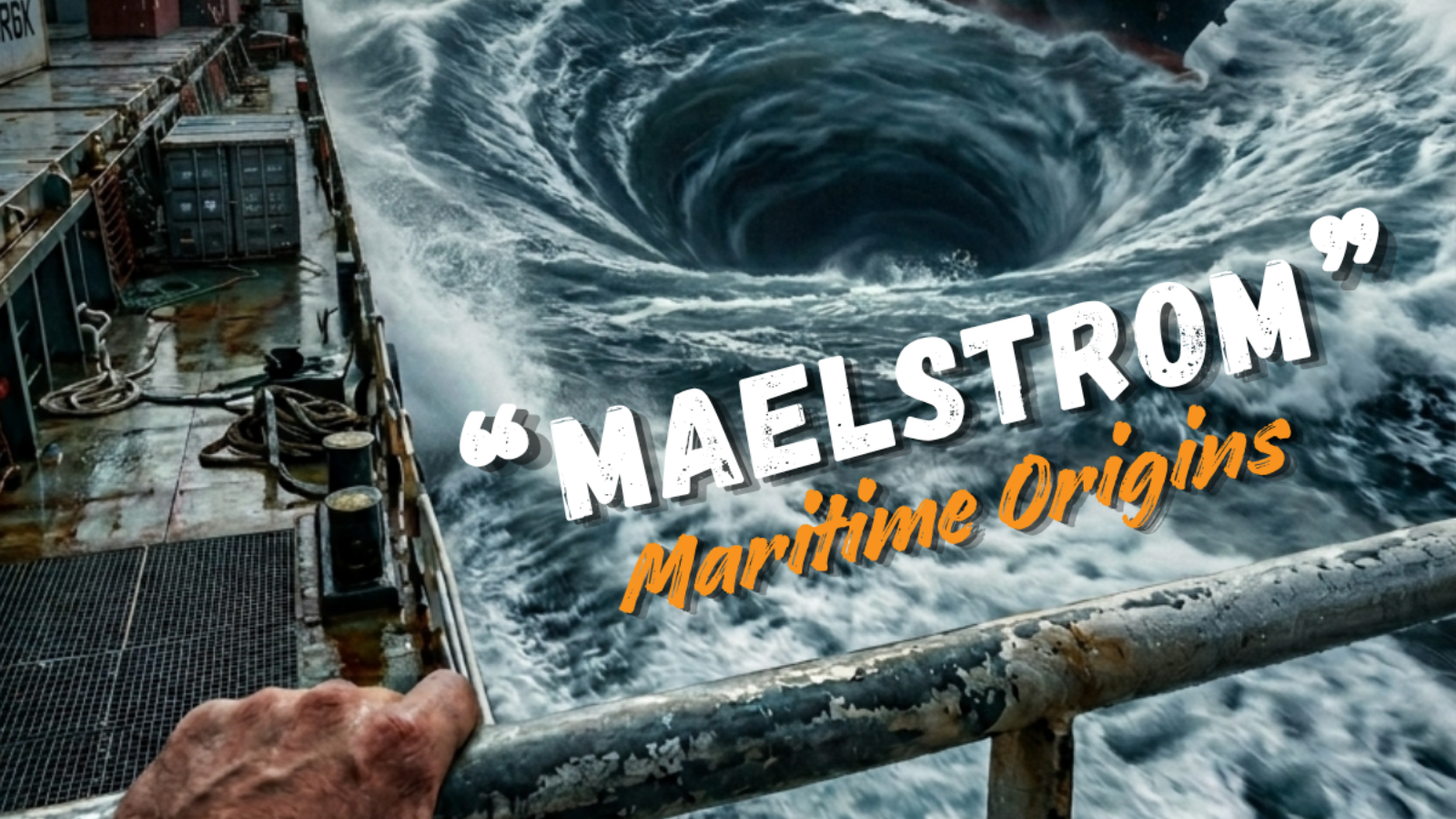
A shipping leader's vessels stuck in the Strait of Hormuz sparked a word search. Discover the violent Norwegian waters behind the word maelstrom.

Hernán Cortés burned his entire fleet in 1519, leaving his men no retreat and no choice but to win. Discover the maritime origins of Burn the Ships.

The “I was here” graffiti didn’t start with Kilroy… but a WWII shipyard inspector turned it into the world’s first viral meme.
The phrase 'showing your true colours' dates back to the age of pirates and naval warfare. Discover its maritime origins in this week's Maritime Origins series.
The phrase 'loose cannon' originated on the warships of the 17th and 18th centuries. Discover the dramatic maritime history behind this everyday expression.
Thanksgiving started with a ship... The Mayflower. The 1620 voyage wasn’t the first settlement. Spanish, French, Dutch and earlier English colonies were already there.
In 1740, Vice Admiral Edward Vernon – nicknamed “Old Grog” for his coarse grogram coat – ordered that sailors’ daily rum be mixed with water.
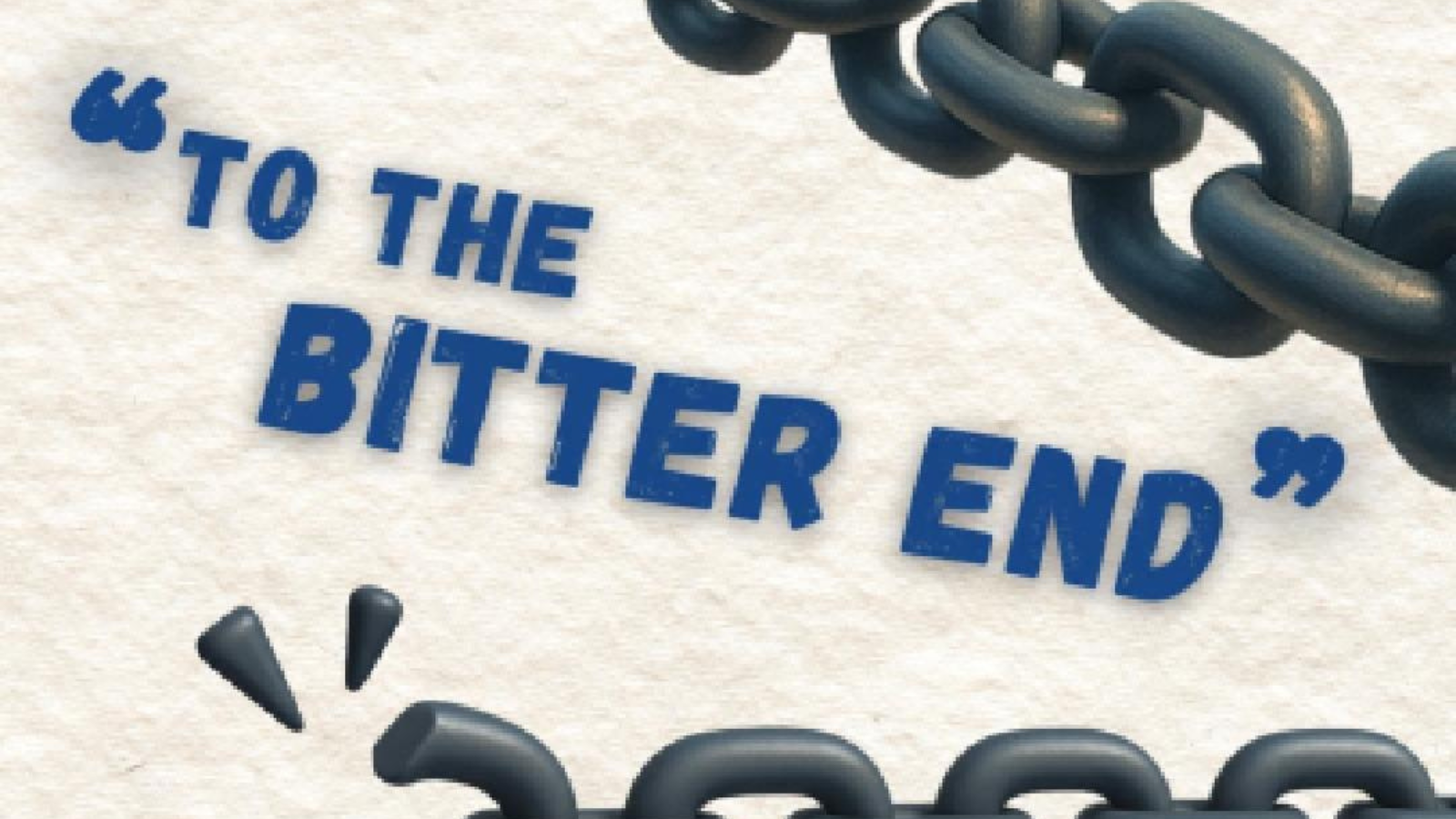
The bitter end actually comes from the bitts, the posts on a ship where ropes are secured. When the rope runs out to the bitter end, there’s literally no more line left.

A stray cat wandered onto a warship in Hong Kong. Weeks later, Simon was a war hero.
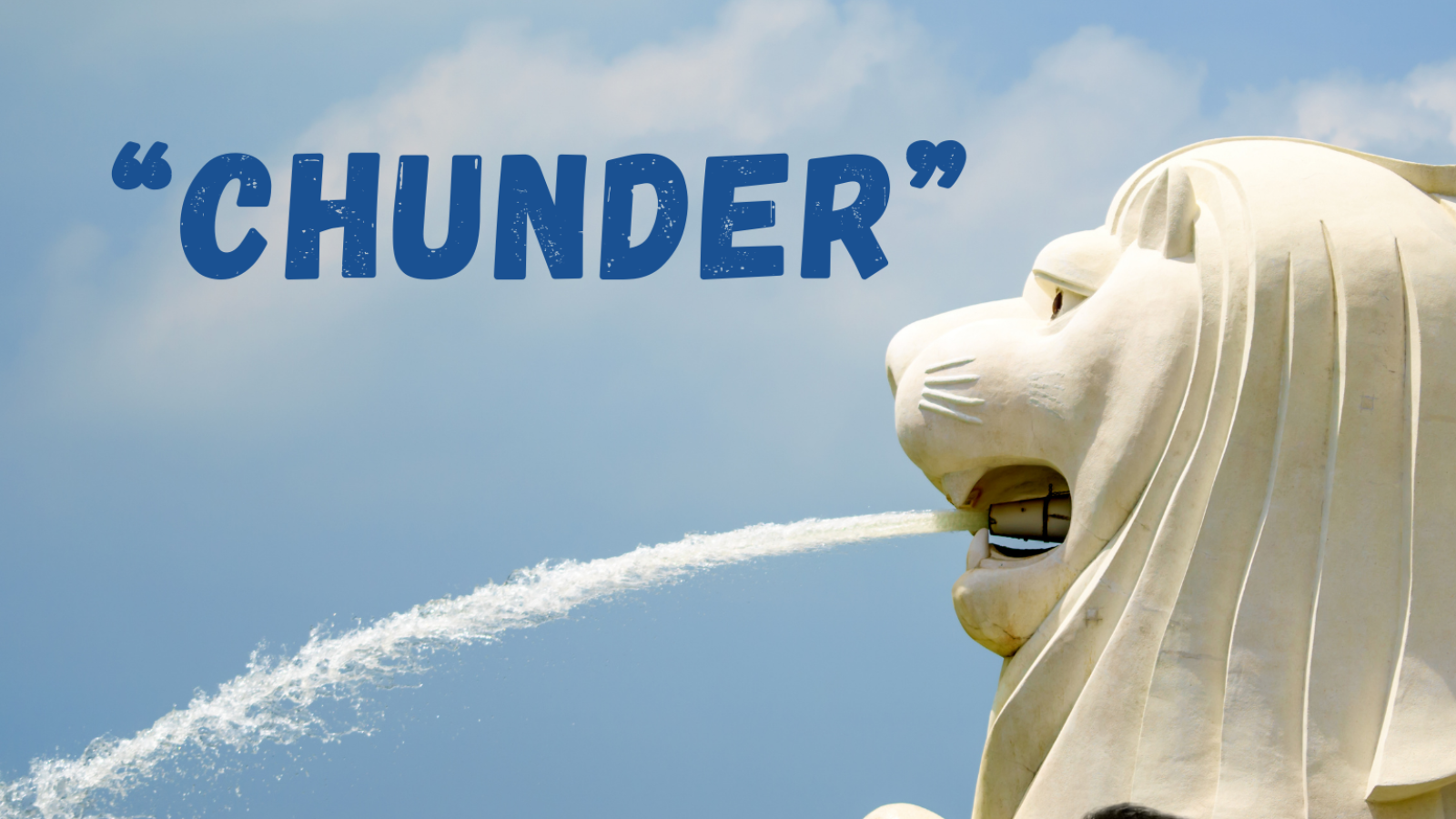
“Chunder” is a colourful Australian word sailors used when seasickness struck… and believe it or not, it was polite! 🤢
Spanish naval origins… meaning “go to hell” or “get lost.” Still commonly heard across Latin countries today.

For centuries, seafarers prayed to Saint Nicholas. Few realise he was the patron saint of sailors. 😇
First documented in 1674 in a nautical dictionary by Captain John Smith, describing a ship’s ability to sail in different wind conditions.
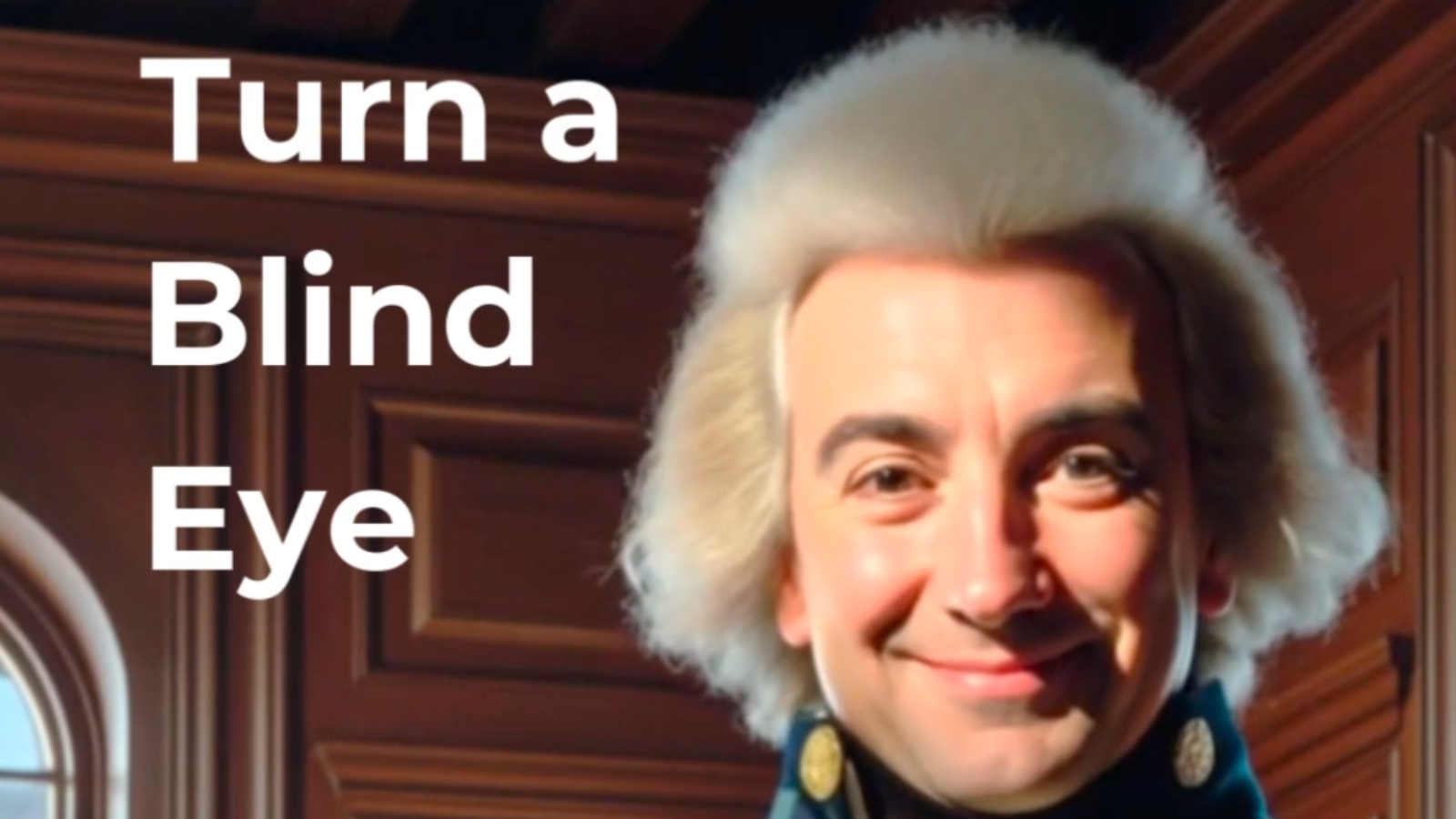
The story goes back to Admiral Horatio Nelson… Britain’s most famous naval commander.

British slang for being absolutely freezing - “It’s brass monkeys out there.”
But would you believe brass monkeys has maritime origins?
The remarkable wartime story of Unsinkable Sam, the ship’s cat who survived multiple ship sinkings during WWII and became one of the most famous animals in naval history.
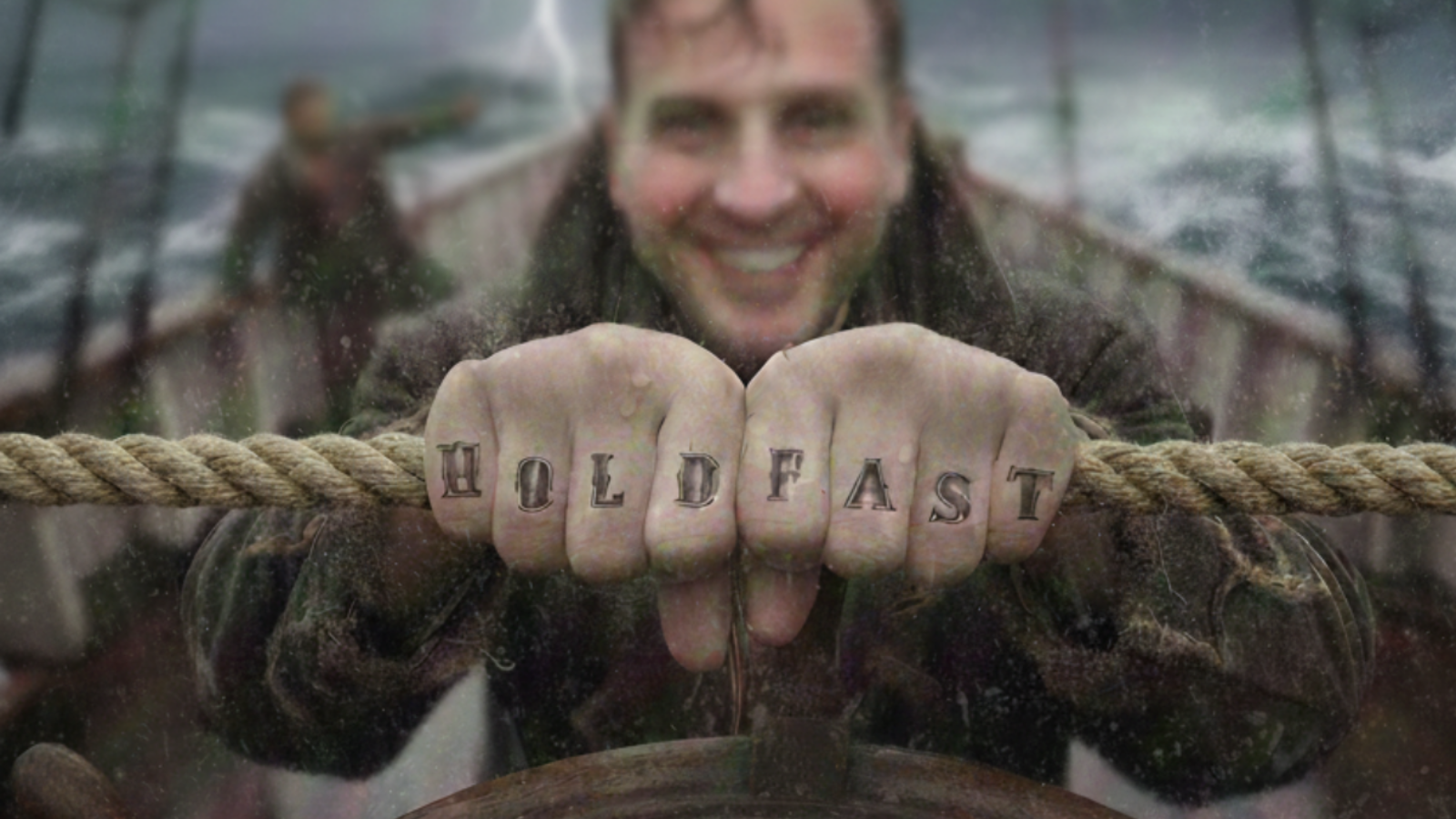
From “Hold Fast” to swallows and anchors, sailors’ tattoos recorded experience, superstition and life at sea.

Contrary to popular belief, this phrase has nothing to do with arses… and everything to do with barrels.

📆 The phrase has dark roots from wooden sailing ships of the 1700s.
👺 The “devil” wasn’t mythical.
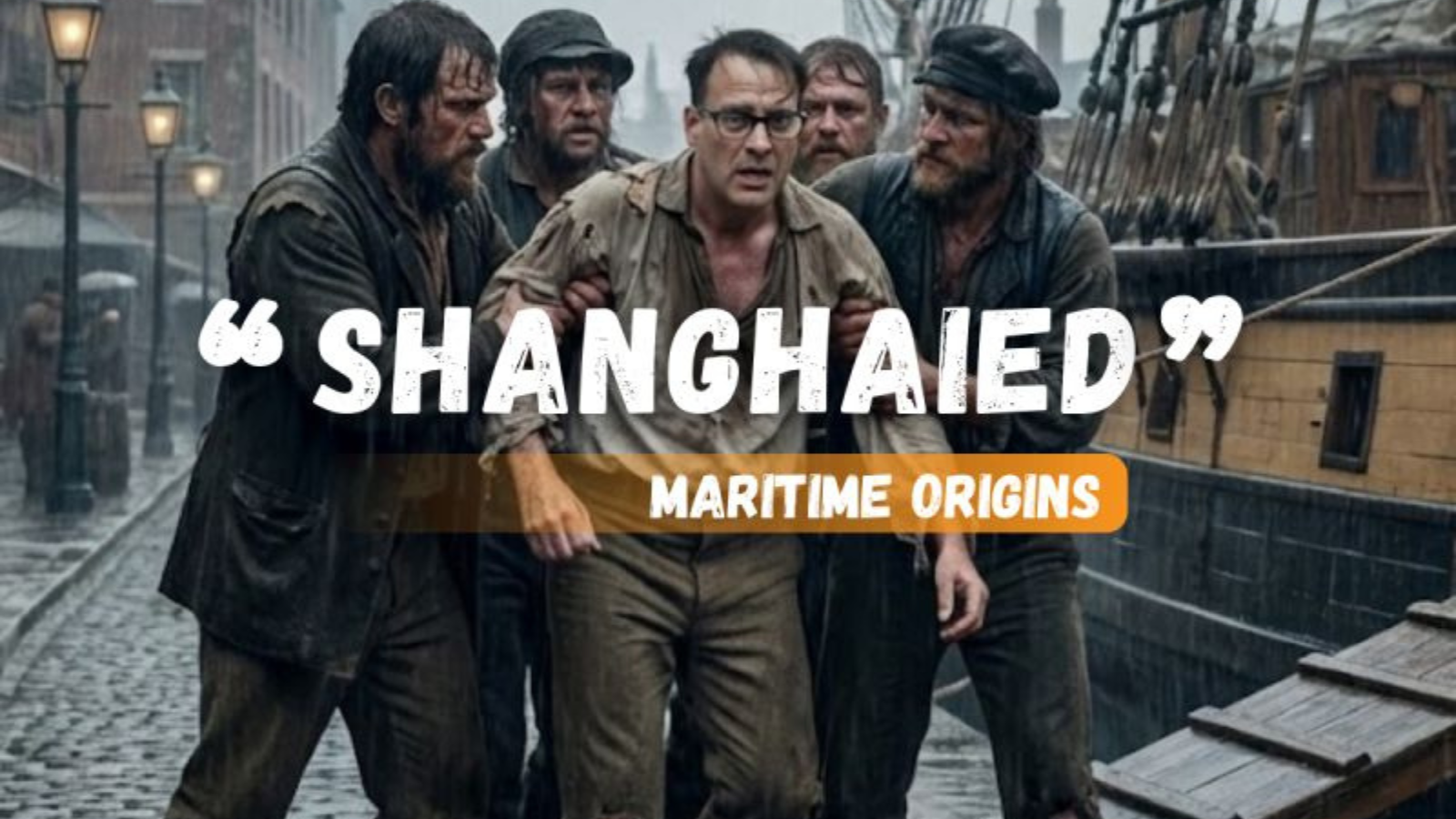
In the 1800s, merchant ships sailing out of American West Coast ports like San Francisco, Portland and Seattle were desperate for crew to make the long, miserable Pacific crossing to China.
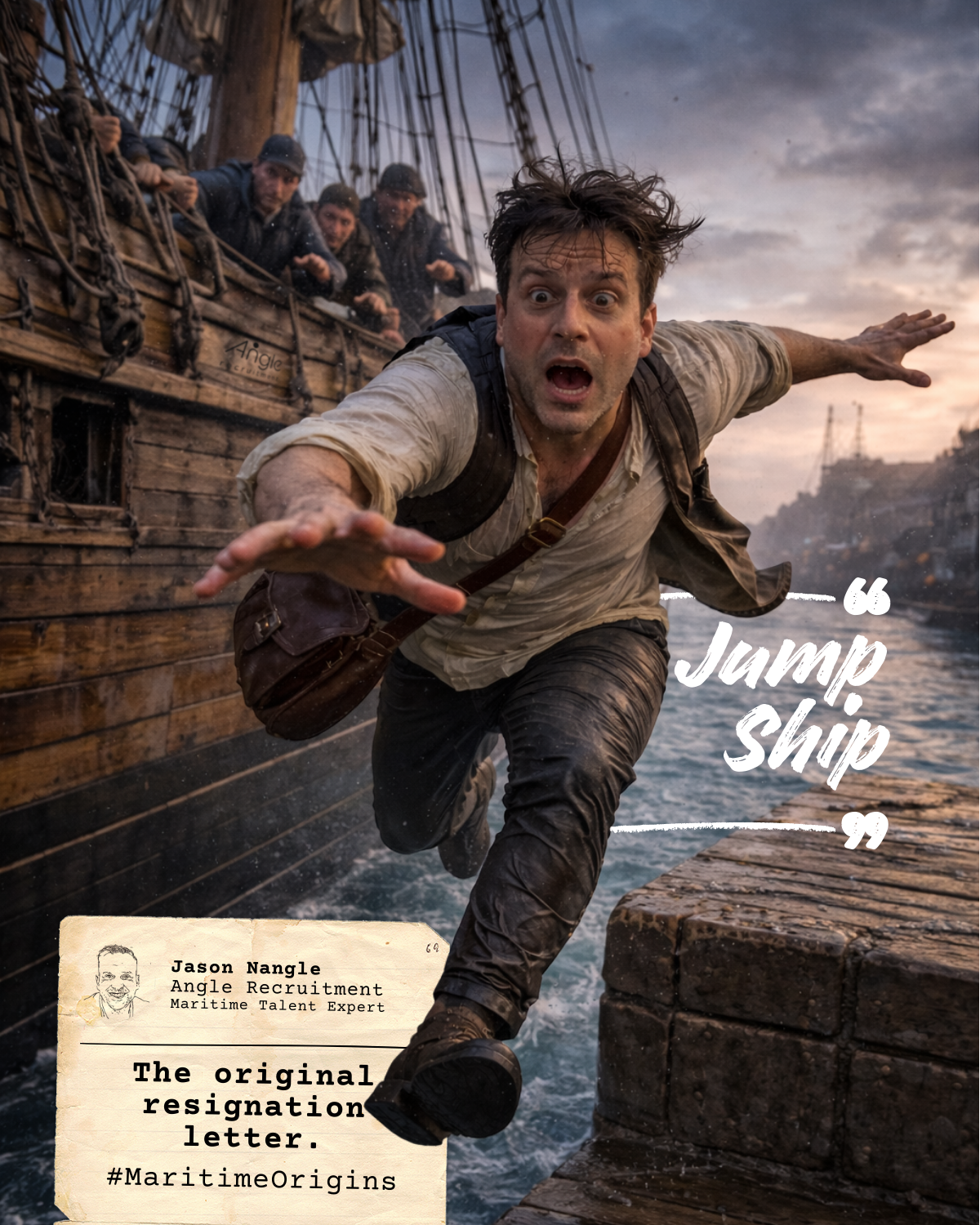
A sailor abandoning his vessel without permission.
Usually to escape harsh discipline, poor pay, or brutal conditions at sea.

The maritime origins of “flogging a dead horse,” a sailor’s phrase from the age of sail used when seamen worked off wages already paid in advance.