


Dog watch. Fair shifts at sea.
I’ve been accused of working odd hours before.
Turns out sailors made it a 500 year practice...
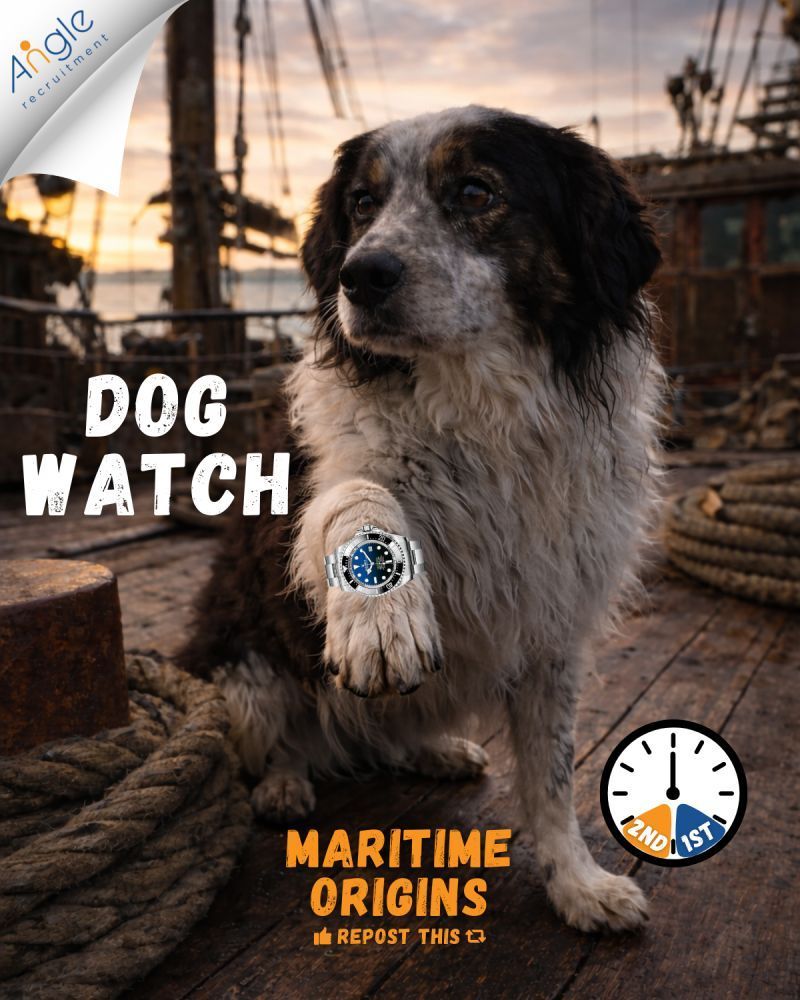
Meet Balto. Newly appointed to the dog watch!
Dog watches are the two short watches at sea.
⏰ 4pm–6pm
⏰ 6pm–8pm
They deliberately split the usual four-hour watch system, so sailors weren’t stuck with the same watch every single day.
It rotated duty times and spread the pain evenly.
Workplace wellness. 16th-century edition.
As for the name?
Most likely from “dodged watch”.
Shortened over time to dog watch.
Dog watches are commonplace on fleets worldwide…
The phrase came ashore and stuck, becoming slang for late or awkward working hours.
Fun Facts
⚓️ Dogs have served at sea for centuries.
Royal Navy ships carried them as mascots and ratters, logged on the manifest, fed official rations, and in some cases even awarded service medals. Much Like the incredible story of Simon,
The Cat Who Saved a Warship, and Won a Medal 🎖️.
⚓️ The dog watch saved sailors from mutiny.
That's not an exaggeration. Fixed, repetitive watch rotations caused genuine resentment at sea. The same men doing the same unpopular shifts - overnight, bad weather, meal disruptions - built serious grievances on long voyages. The dog watch rotation was a practical solution to a morale problem that could turn dangerous on an isolated ship months from port.
⚓️ Napoleon's dog swam to find him.
After the Battle of Waterloo, Napoleon was exiled and boarded a ship. A dog was found swimming desperately in the water alongside the vessel - it had jumped from a sinking ship searching for its dead owner. Napoleon, who was famously not fond of dogs, reportedly stopped and helped rescue it. One of the few recorded moments of him showing sympathy to an animal.
⚓️ Dogs detected icebergs before radar.
Several accounts from Arctic and Antarctic expeditions record ships' dogs becoming agitated and restless before icebergs came into visual range. Their hearing picked up sounds humans couldn't. Some captains took it seriously enough to slow the ship when the dogs reacted.
Maritime Origins is a weekly storytelling series exploring the sea-born origins of phrases we still use on land, along with the lesser-known stories, legends and characters that shaped maritime culture.
Created by Jason Nangle, founder of Angle Recruitment, a global maritime recruitment and executive search firm.
New episode every Tuesday on LinkedIn. Also on Instagram, YouTube and Facebook.
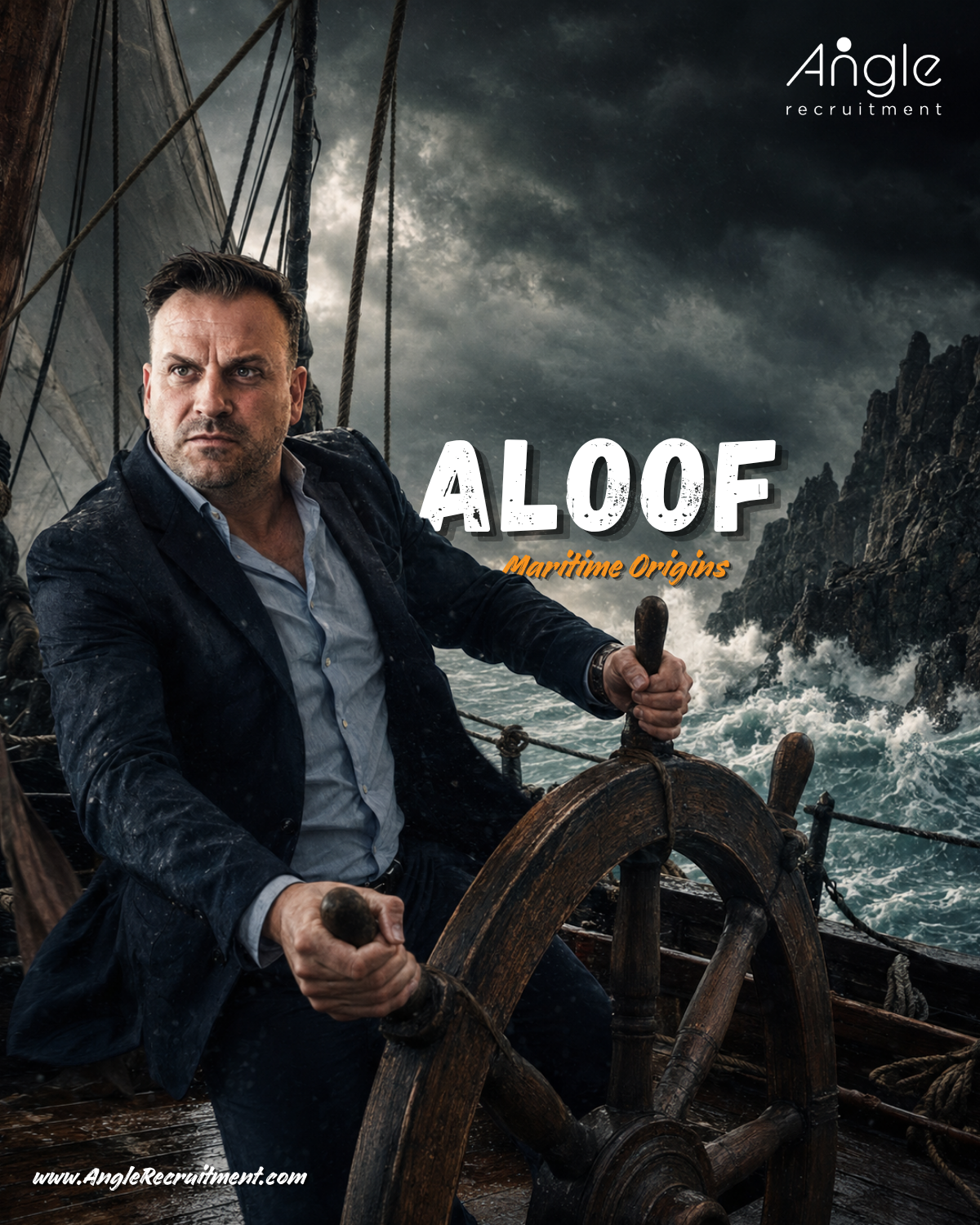
Aloof began as a Tudor helm order to keep a ship's head to windward and clear of a lee shore. How a lifesaving steer became a snub. Maritime Origins.
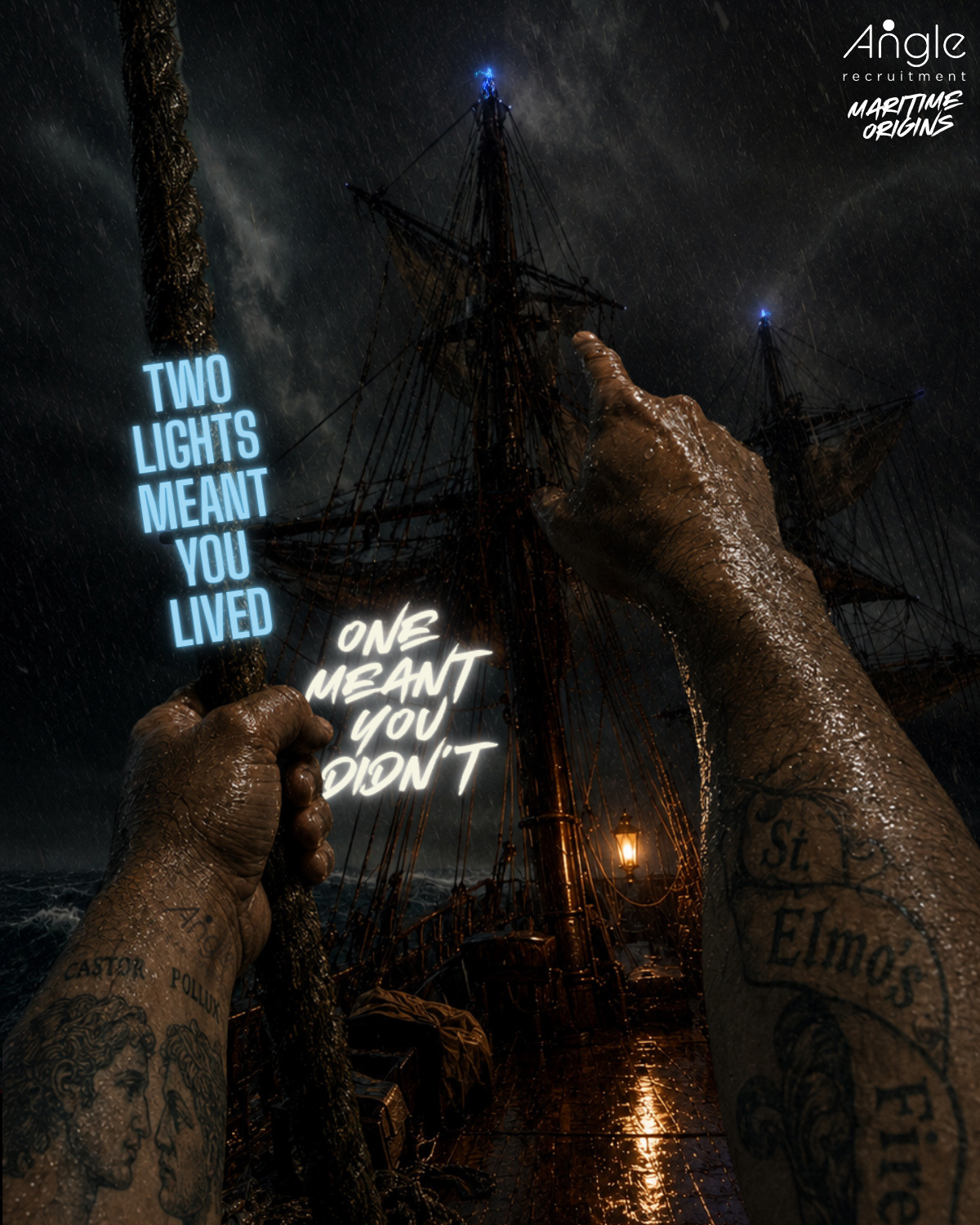
The mast glows blue. No heat, no flame, just tension in the air. Once a sign from the gods, now called St Elmo’s Fire. Still enough to unsettle any crew.

After the Benlomond sank in 1942, Poon Lim spent 133 days alone on a life raft, surviving through ingenuity, resourcefulness and extraordinary determination.