



"Slush Fund"
Every now and then, a candidate asks if they need to pay me.
The answer is always NO.
In my line of work, if a recruiter is asking the candidate for money, something's off.
Which got me thinking about where dodgy business practices got their names.
Take slush fund.
Maritime in origin.
Financial in execution.
Often criminal in application.
And with a cracking backstory.
"Slush" comes from the 17th century ship's galley.
The fatty residue skimmed off the top when boiling salt pork or beef. Thick, oily, smelled awful.
Cooks skimmed it daily and stored it in barrels.
When the ship docked, the slush was sold ashore to candlemakers, soap makers and tallow merchants.
The proceeds went to the cook, the crew, or the officers, depending on the ship and the era.
The first written reference is William McNally's 1839 book, "Evils and Abuses in the Naval and Merchant Service," which documented the practice and criticised the corruption around it.
Within twenty years it had taken on its modern meaning.
Hidden cash, off the books, often for bribes or political favours.
From galley grease to Watergate.

Fun Facts
🔔 Early team bonding, maritime edition.
Some merchant crews reportedly used slush fund money for shared treats like beer or shore leave expenses when they reached port.
🔔 The most famous association with the term “slush fund” is the Watergate scandal.
Secret campaign money was used to fund political espionage, pay operatives, and help cover up the break-in at the Democratic National Committee headquarters. The scandal ultimately led to President Richard Nixon resigning in 1974.
🔔 The word “chandler” originally referred to someone who made or sold candles.
Because candles were made from valuable materials like tallow (animal fat) or beeswax, supplying them became a specialised trade. Candle merchants were known as “chandlers”, from the Old French word chandelier, meaning candle maker or candle seller.
Eventually the role expanded so much that “ship chandler” became the general term for a marine supplier.
Maritime Origins is a weekly storytelling series exploring the sea-born origins of phrases we still use on land, along with the lesser-known stories, legends and characters that shaped maritime culture.
Created by Jason Nangle, founder of Angle Recruitment, a global maritime recruitment and executive search firm.
New episode every Tuesday on LinkedIn. Also on Instagram, YouTube and Facebook.
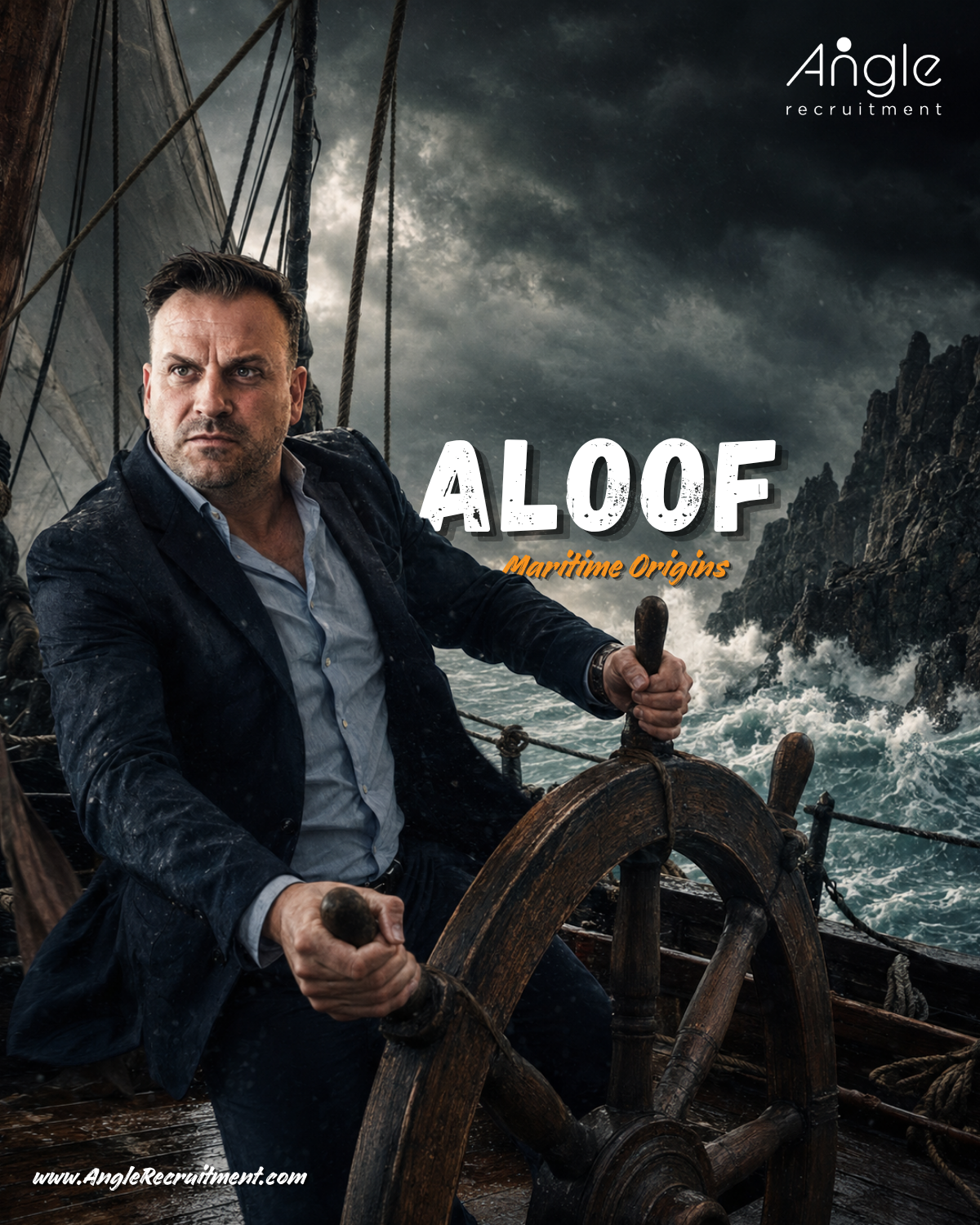
Aloof began as a Tudor helm order to keep a ship's head to windward and clear of a lee shore. How a lifesaving steer became a snub. Maritime Origins.
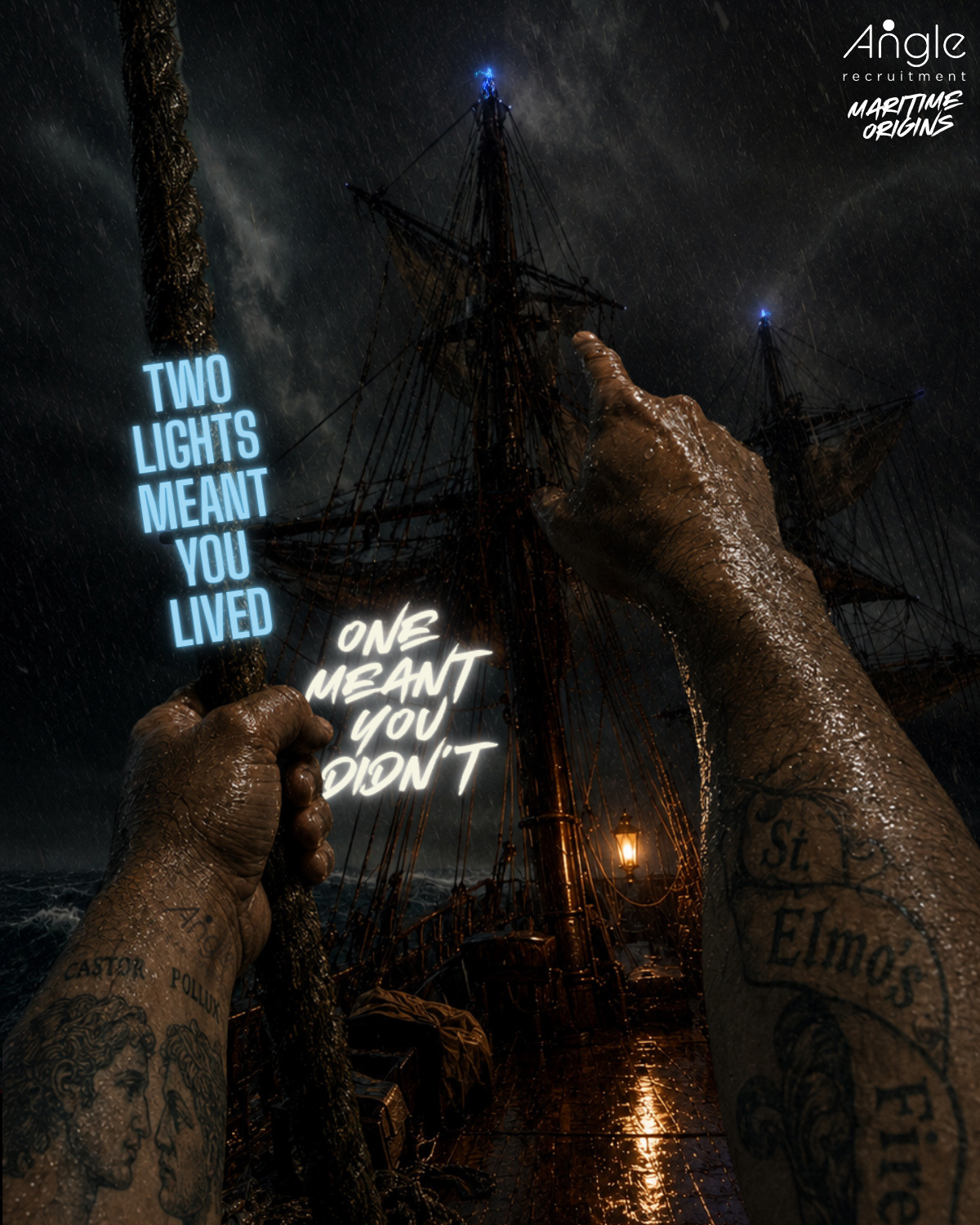
The mast glows blue. No heat, no flame, just tension in the air. Once a sign from the gods, now called St Elmo’s Fire. Still enough to unsettle any crew.

After the Benlomond sank in 1942, Poon Lim spent 133 days alone on a life raft, surviving through ingenuity, resourcefulness and extraordinary determination.