


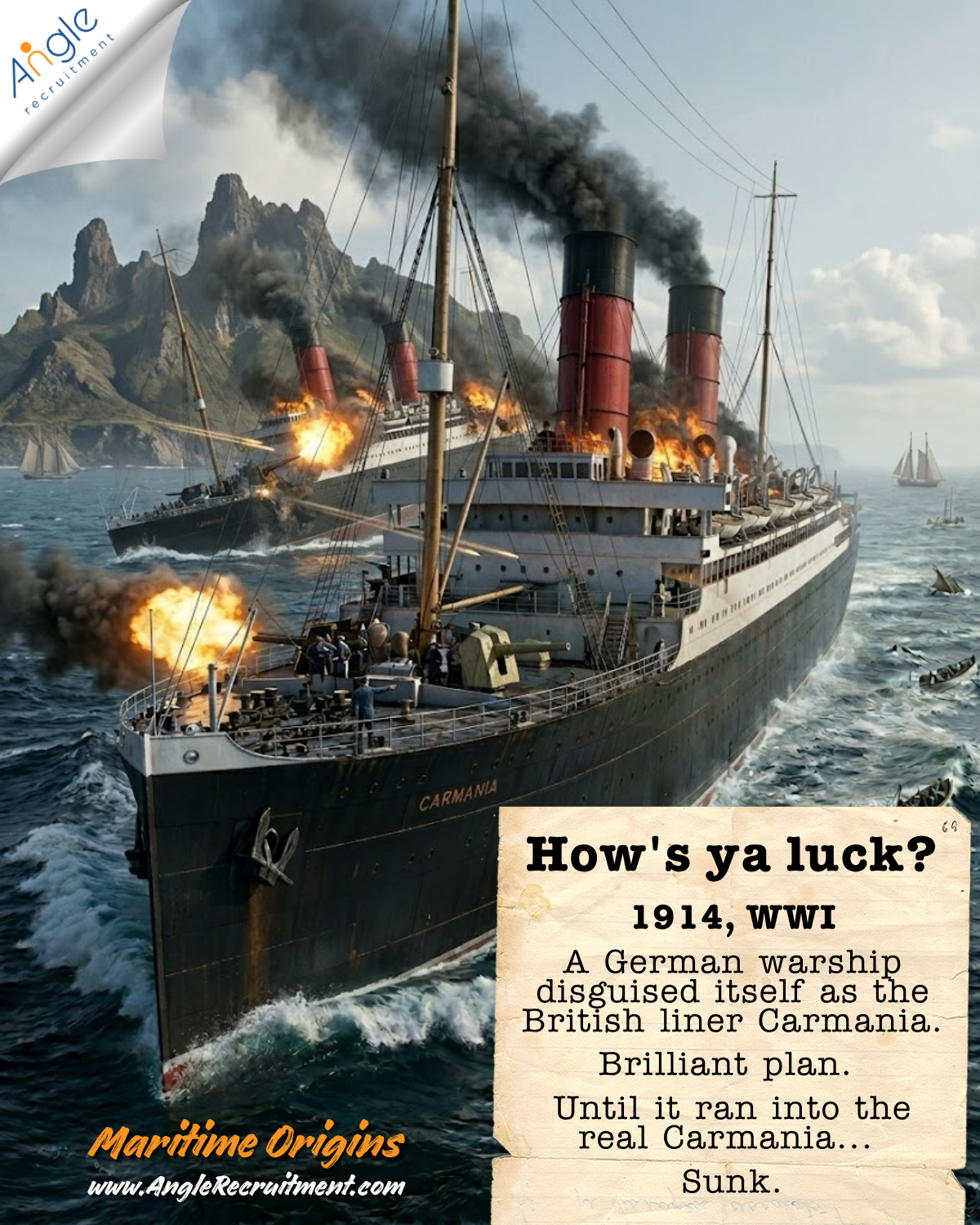
Carmania, WWI, 1914:
The Ship That Sank Its Own Disguise
Two ocean liners once fought each other to the death.
One was wearing the other's clothes.
1914, the South Atlantic.
Britain and Germany had both taken luxury ocean liners and bolted guns to them, turning floating hotels into armed raiders.
The German ship, the Cap Trafalgar, went one better. She had a funnel removed and her paintwork redone to disguise herself as a British liner, the Carmania, so she could slip among British shipping unnoticed.
Clever. Until she was caught taking on coal at a remote island by another armed liner.
The real Carmania.
What followed was the first battle in history between two former ocean liners.
No quick knockout either. Nearly two hours of gunfire, the range closing to a hundred yards, both ships ablaze.
The Carmania took 79 hits, lost her bridge and nine of her crew.
But the Cap Trafalgar went down. Sunk by the very ship she had dressed up as.
You could not write it.
And the wild stories did not stop in 1914. Spend your days recruiting in maritime and you hear them all the time.
Fun Facts
🔔 The imposter was almost brand new.
The Cap Trafalgar was only completed in March 1914 and sunk that September. She had barely six months on the water before she went to the bottom.
🔔 They met in the middle of nowhere.
The two ships found each other off Trindade, a tiny volcanic island around 1,100 km out in the South Atlantic, one of the remotest specks on earth. Of all the empty ocean, they picked the same rock.
🔔 The winner later wore the wildest disguise of all.
Battered but afloat, the Carmania survived the war, and as a troopship she put to sea in full zebra dazzle camouflage. The ship that sank an imposter spent her later years covered in stripes.
Maritime Origins is a weekly storytelling series exploring the sea-born origins of phrases we still use on land, along with the lesser-known stories, legends and characters that shaped maritime culture.
Created by Jason Nangle, founder of Angle Recruitment, a global maritime recruitment and executive search firm.
New episode every Tuesday on LinkedIn. Also on Instagram, YouTube and Facebook.
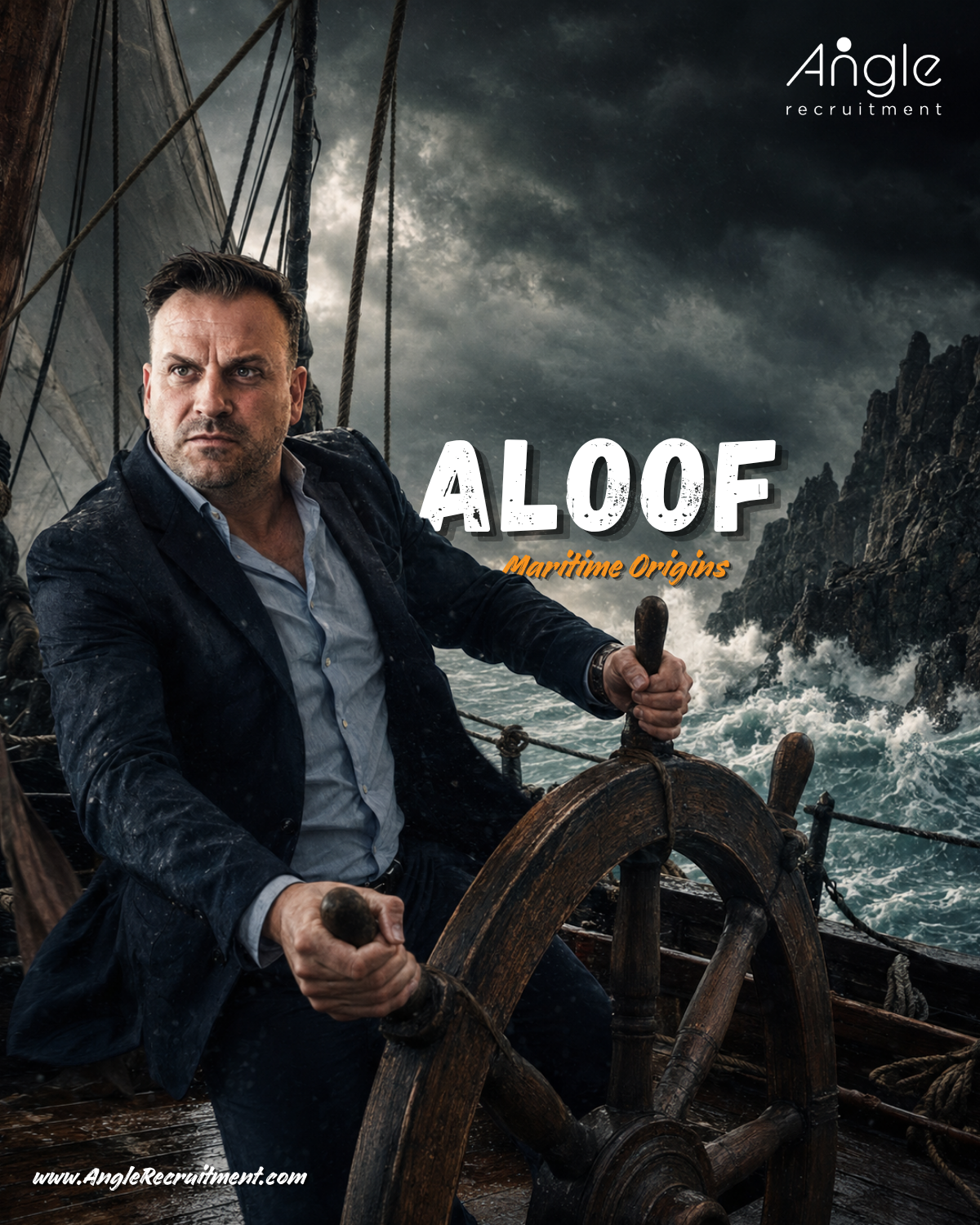
Aloof began as a Tudor helm order to keep a ship's head to windward and clear of a lee shore. How a lifesaving steer became a snub. Maritime Origins.
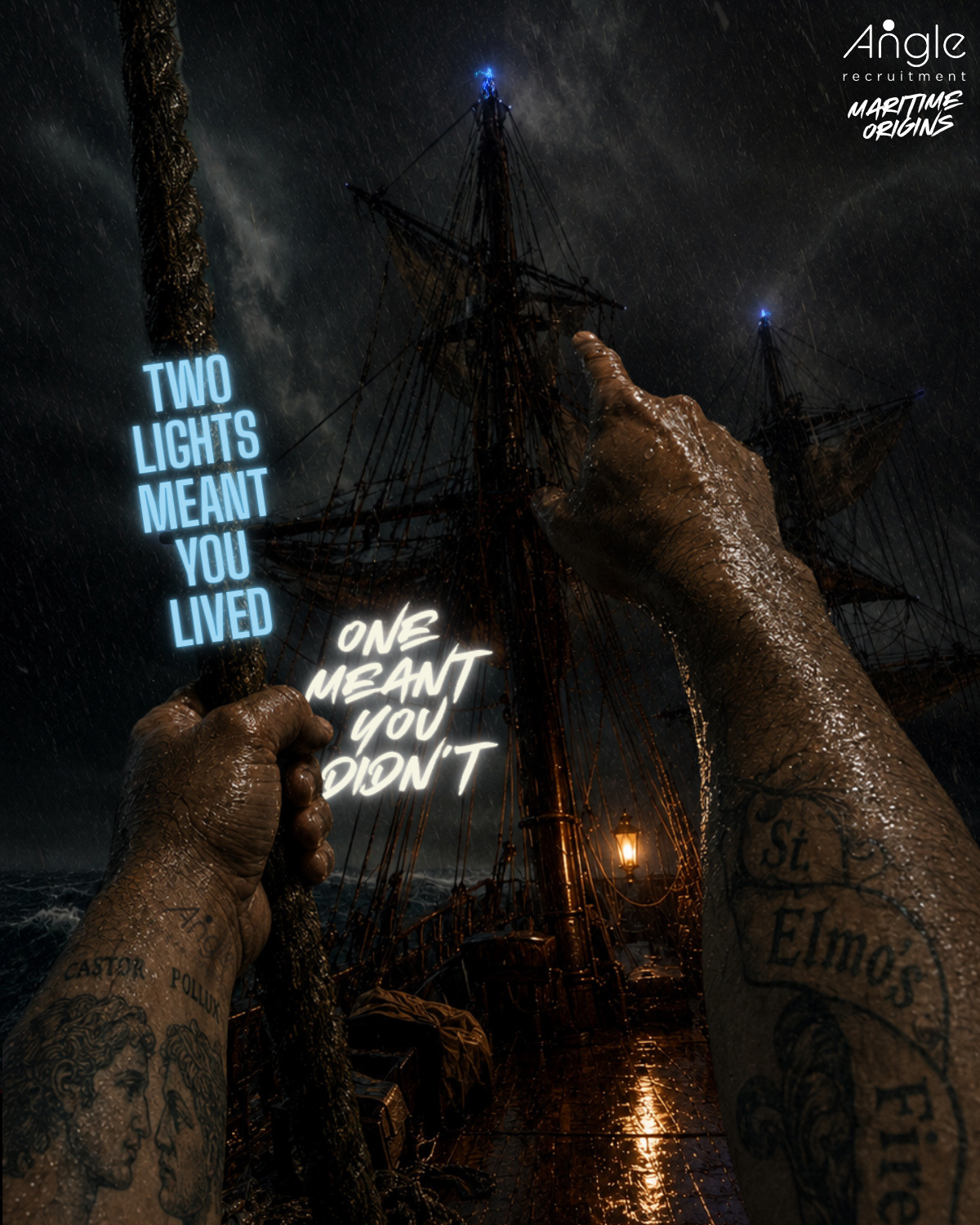
The mast glows blue. No heat, no flame, just tension in the air. Once a sign from the gods, now called St Elmo’s Fire. Still enough to unsettle any crew.

After the Benlomond sank in 1942, Poon Lim spent 133 days alone on a life raft, surviving through ingenuity, resourcefulness and extraordinary determination.