


Dead as a Dodo:
Fool, fat-arse, or just unlucky
My wife's favourite insult when I say something stupid? Dodo 🐦
😡 Every time, the #MaritimeOrigins nerd in me wants to explain where the word comes from.
🤷♂️ She does not want to know.
🤞 You might.
Because the dodo is a sailor's word, and nobody can quite agree whose.
🇵🇹 The Portuguese say it's theirs: ‘doudo’.
Meaning fool or simpleton.
🇳🇱 The Dutch say not so fast: 'dodaars’.
Roughly translates to fat-arse, after the tuft of feathers on its backside.
The Kardashians of the bird world.
Here's the part that gets me though.
The dodo wasn't stupid.
It just lived on Mauritius, an island with no predators.
1598: Then the ships arrived.
Sailors walked straight up to a bird that had no reason to fear anything, and that was that.
1690: Within a single lifetime, it was extinct.
Which is how we got the phrase: “Dead as a Dodo”.
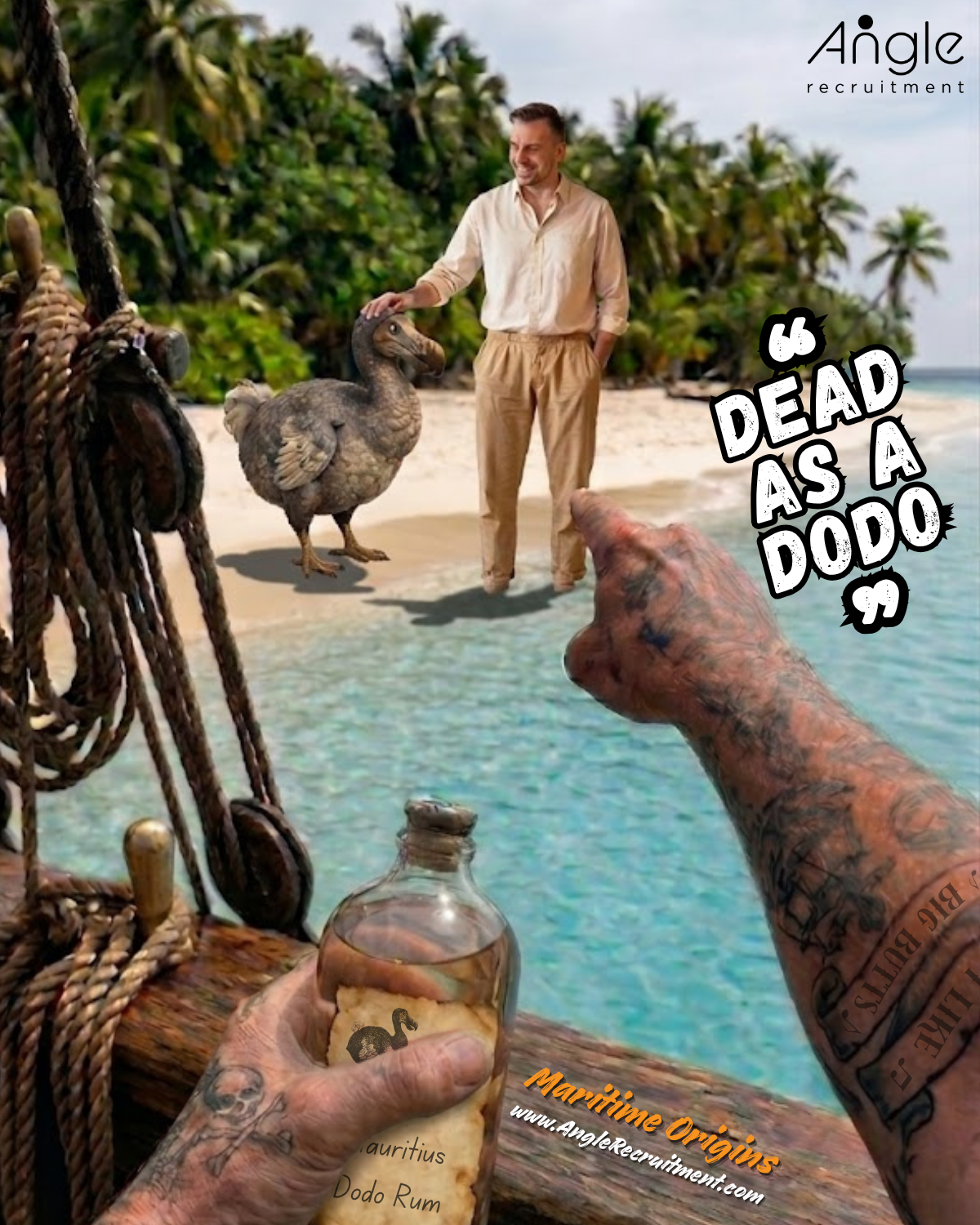
Called stupid for being fearless, or fat-arse, you decide. Remembered for being extinct. A bit harsh on all counts.
Fun Facts
💡 Dodo meat was reportedly tough and not much liked, so direct hunting was only part of it.
The real killers were the animals the ships brought with them: pigs, rats, crab-eating macaques, cats and dogs, which ran wild on the island and ate the dodo's eggs and chicks straight off the ground.
💡 The dodo nested on open ground because, again, nothing had ever threatened it.
So the same fearless evolution that let sailors walk up to the adults also left the eggs completely undefended.
💡 1507: The Portuguese passed through Mauritius first. But the first written accounts were Dutch.
💡 1598:
The Dutch landed, settled and named the island after their own prince.
Maritime Origins is a weekly storytelling series exploring the sea-born origins of phrases we still use on land, along with the lesser-known stories, legends and characters that shaped maritime culture.
Created by Jason Nangle, founder of Angle Recruitment, a global maritime recruitment and executive search firm.
New episode every Tuesday on LinkedIn. Also on Instagram, YouTube and Facebook.
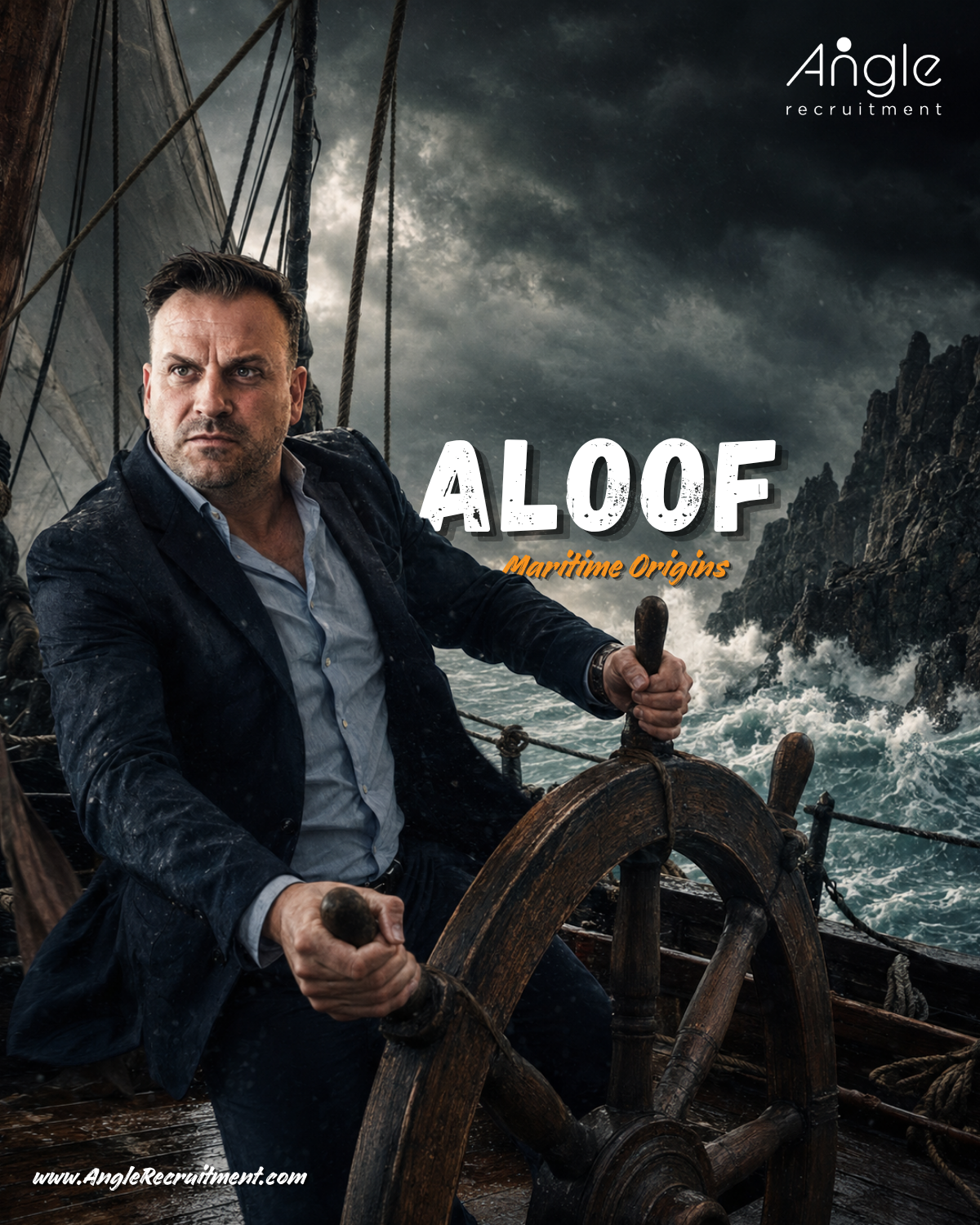
Aloof began as a Tudor helm order to keep a ship's head to windward and clear of a lee shore. How a lifesaving steer became a snub. Maritime Origins.
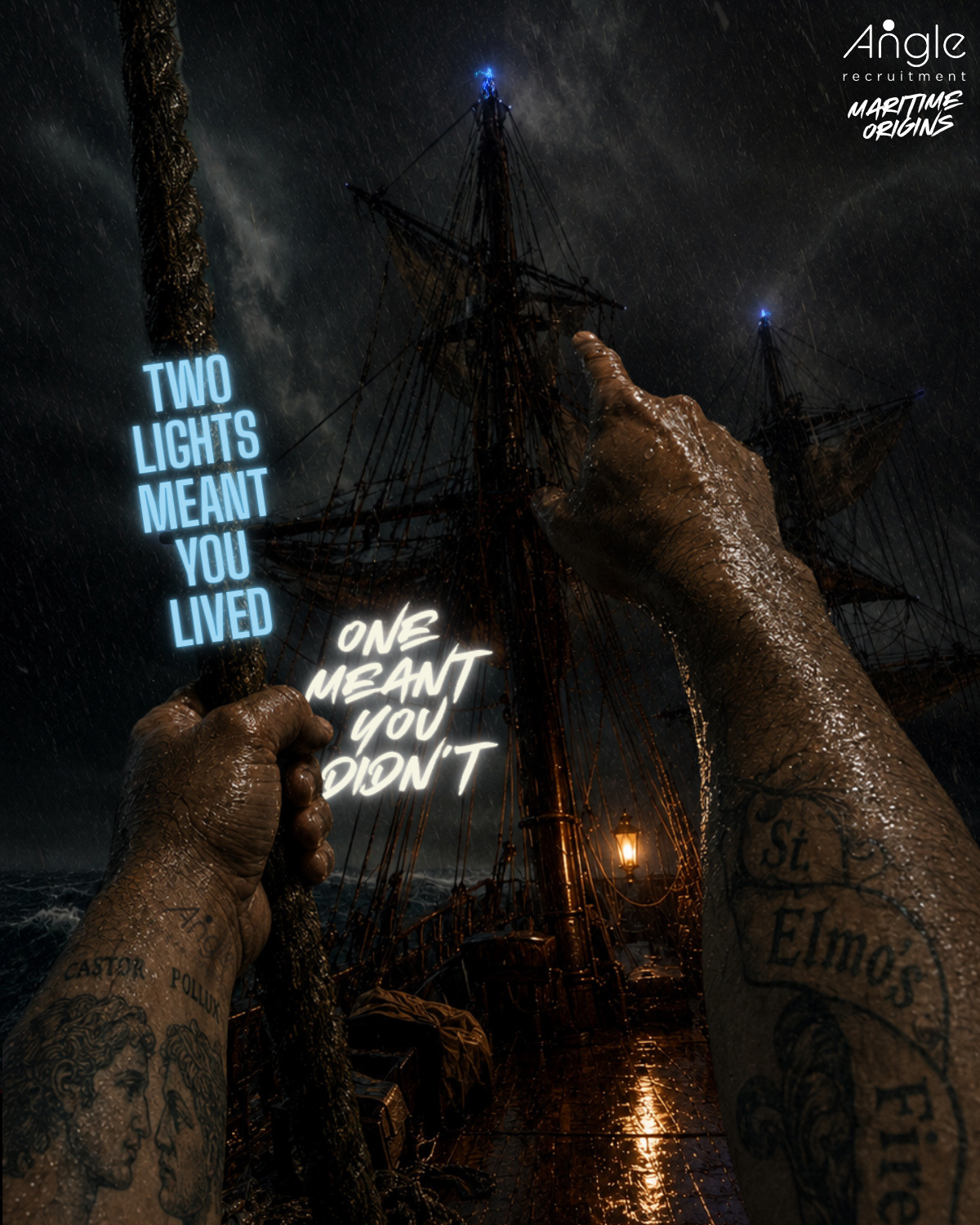
The mast glows blue. No heat, no flame, just tension in the air. Once a sign from the gods, now called St Elmo’s Fire. Still enough to unsettle any crew.

After the Benlomond sank in 1942, Poon Lim spent 133 days alone on a life raft, surviving through ingenuity, resourcefulness and extraordinary determination.