


"In Irons", from the slammer to the sailor
Every week, candidates tell me the same thing in interviews.
Working flat out. Career standing still.
Sound familiar? You're "in irons."
The phrase wasn't born at sea. It was born from trouble.
Originally referring to a shackled prisoner.
Then sailors stole it and gave it a sharper meaning.
A sailing boat is "in irons" when it points directly into the wind and stalls.
The sails flap uselessly.
The rudder does nothing.
You can't steer, can't move.
Today, it's used in business, in recruitment, in your career.
Working hard, going nowhere.
...The fix isn't more effort. It's a change of angle.
Fun Facts
🔔 Sails go back to around 5500 BC.
In Mesopotamia and Egypt, with sea-going Egyptian ships on the Mediterranean by 3000 BC.
That puts sails 2000 to 4000 years ahead of iron working.
🔔 The fix at sea is counterintuitive.
You back the sails, push the boat backwards first, then turn off the wind.
Sometimes the only way forward is to give a little ground first.
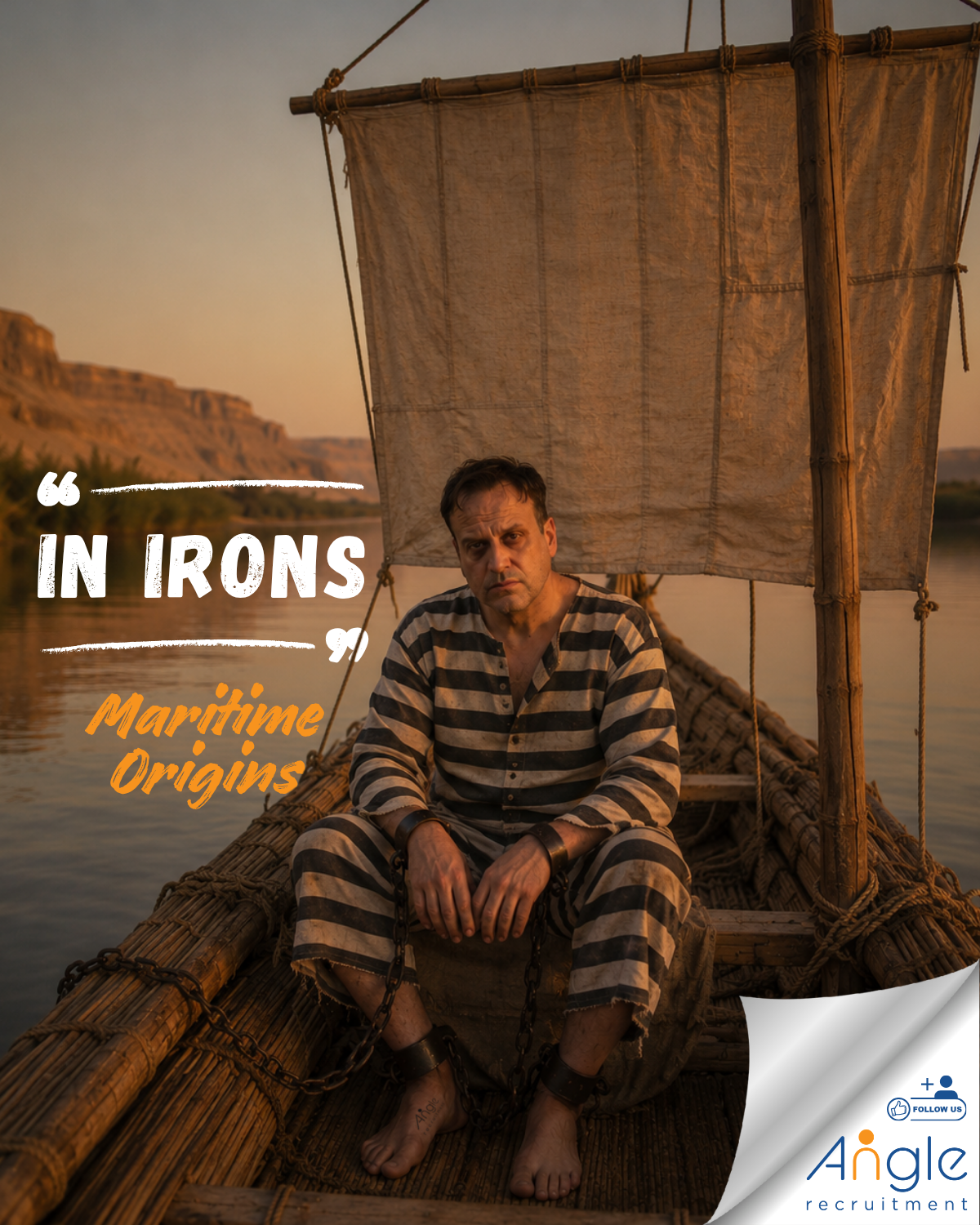
🔔 "In irons" appears in the Bible (Old Testament).
Joseph in Egypt, prisoners in chains, kings in fetters.
The phrase was already ancient when sailors picked it up.
Maritime Origins is a weekly storytelling series exploring the sea-born origins of phrases we still use on land, along with the lesser-known stories, legends and characters that shaped maritime culture.
Created by Jason Nangle, founder of Angle Recruitment, a global maritime recruitment and executive search firm.
New episode every Tuesday on LinkedIn. Also on Instagram, YouTube and Facebook.
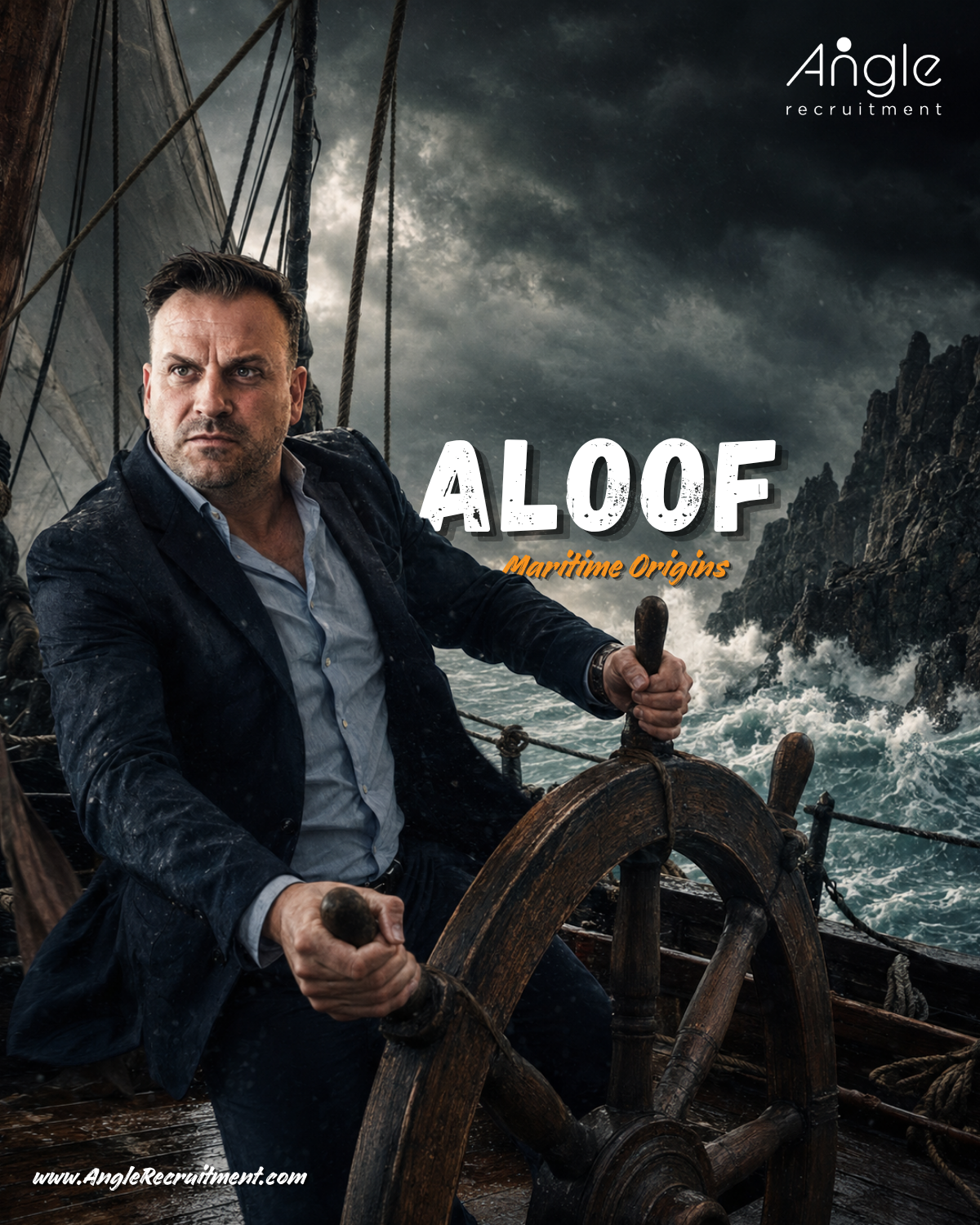
Aloof began as a Tudor helm order to keep a ship's head to windward and clear of a lee shore. How a lifesaving steer became a snub. Maritime Origins.
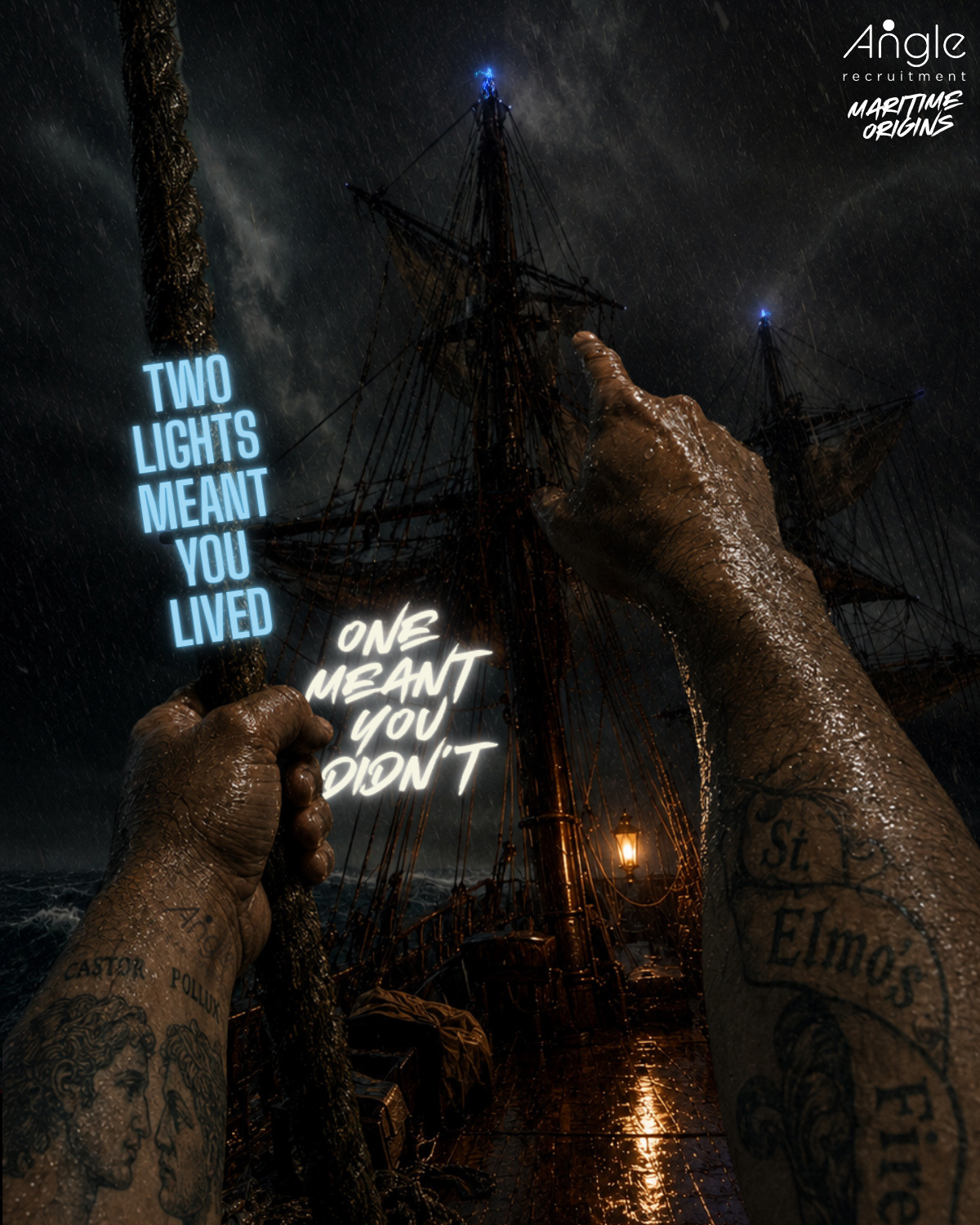
The mast glows blue. No heat, no flame, just tension in the air. Once a sign from the gods, now called St Elmo’s Fire. Still enough to unsettle any crew.

After the Benlomond sank in 1942, Poon Lim spent 133 days alone on a life raft, surviving through ingenuity, resourcefulness and extraordinary determination.