


"Average" 🤔
Generally speaking, there's nothing average about the word “average”.
Born in a shipwreck… Here’s how it happened.
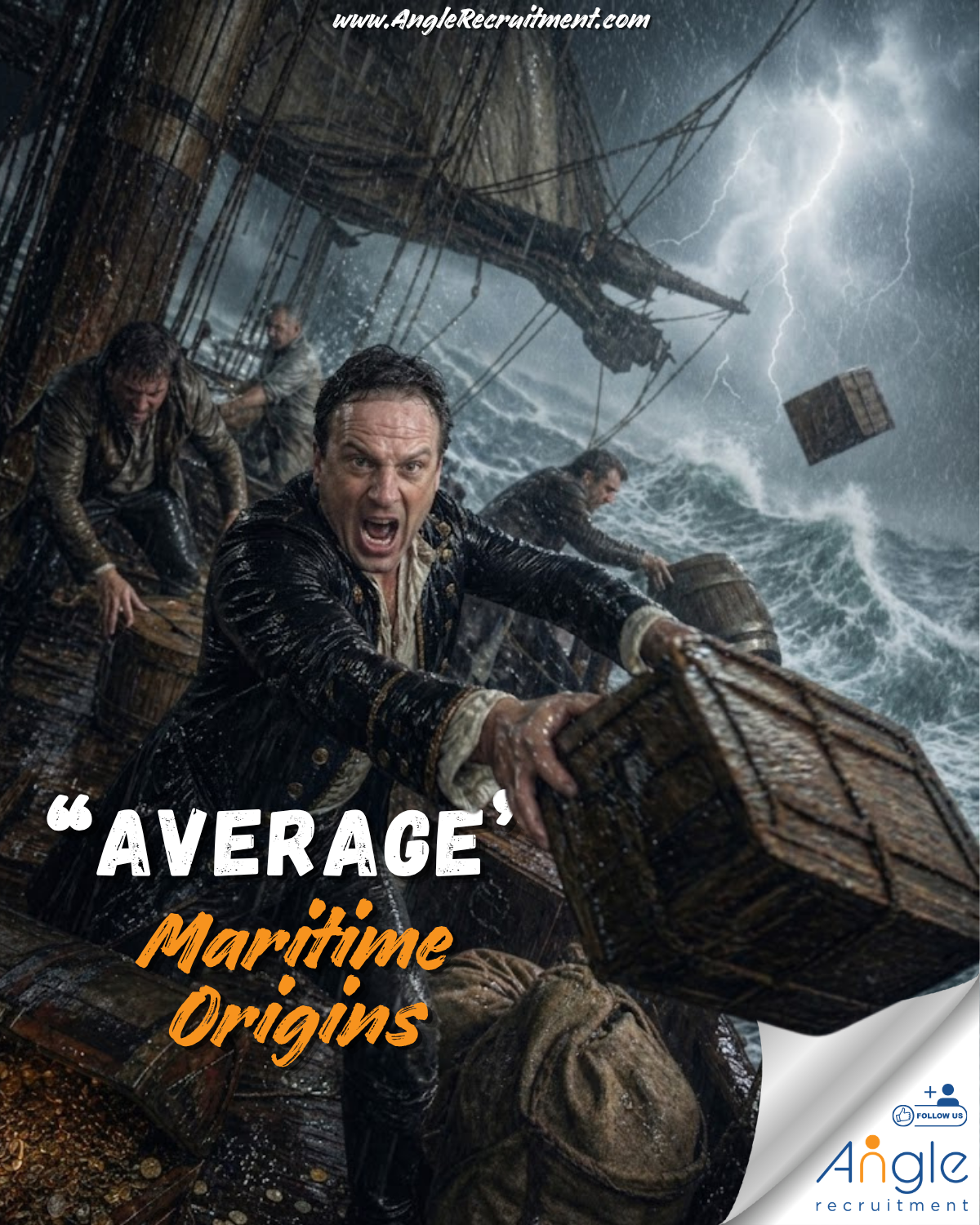
Picture a ferocious storm.
The crew throws cargo overboard to survive it.
Someone has to pick up the tab.
It can't fall on the unlucky merchant whose barrels went over.
Enter… General Average.
It’s shared proportionally by everyone financially tied to the voyage.
Shipowner, cargo interests, freight. All in.
The maths: total loss divided by total value at risk.
Merchants did this for centuries before the word escaped.
By the 18th century, "average" meant any proportional or middle value.
It traces back to the Rhodian Sea Law, 800 BC.
Codified into the York-Antwerp Rules.
Still used globally.
Still updated.
🫡 Shout out to the average adjusters… Shipping's unsung mathematicians.
By the law of averages, I’ve missed some important details.
What are they? Better to be Particular than General about it!
Fun Facts
⚓️ The word is Arabic. "Average" comes from the Arabic "awariya," meaning damaged goods. It travelled through Italian "avaria" and Old French "avarie" before landing in English. So every time someone says "average" they're using a word with three Mediterranean trade route stops embedded in it.
⚓️ Statisticians stole from shipping, not the other way around . Maritime General Average had been operating for around 2,500 years before mathematicians formalised "mean," "median," and "mode" in the 17th century. The trade was doing the maths long before anyone gave it a name.
⚓️
There are fewer than 100 qualified average adjusters in the world. The Association of Average Adjusters has been around since 1869. Becoming one takes years of exams covering admiralty law, marine insurance, and maritime accounting. They're paid handsomely when something the size of the Ever Given goes wrong, and rightly so.
Maritime Origins is a weekly storytelling series exploring the sea-born origins of phrases we still use on land, along with the lesser-known stories, legends and characters that shaped maritime culture.
Created by Jason Nangle, founder of Angle Recruitment, a global maritime recruitment and executive search firm.
New episode every Tuesday on LinkedIn. Also on Instagram, YouTube and Facebook.
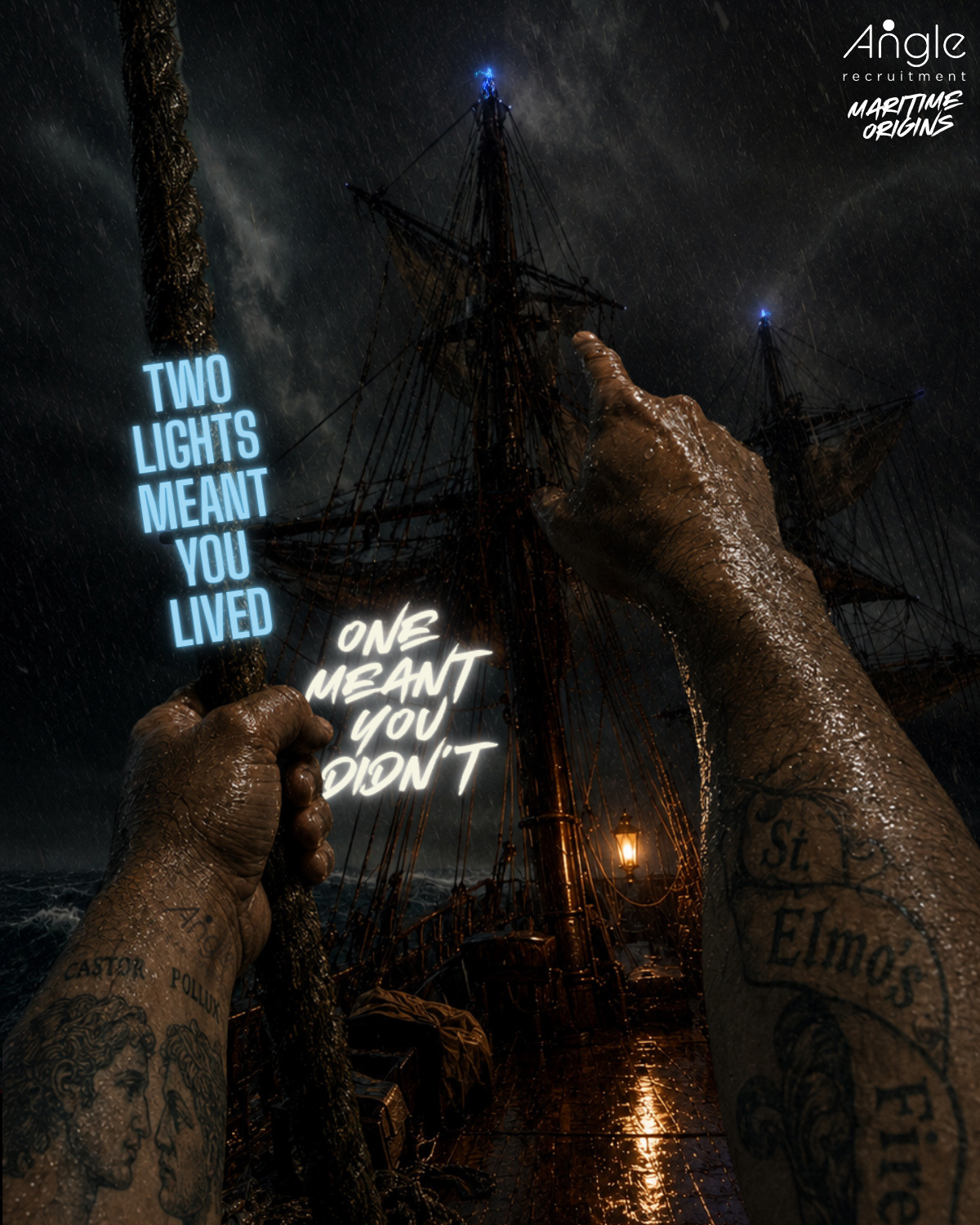
The mast glows blue. No heat, no flame, just tension in the air. Once a sign from the gods, now called St Elmo’s Fire. Still enough to unsettle any crew.

After the Benlomond sank in 1942, Poon Lim spent 133 days alone on a life raft, surviving through ingenuity, resourcefulness and extraordinary determination.
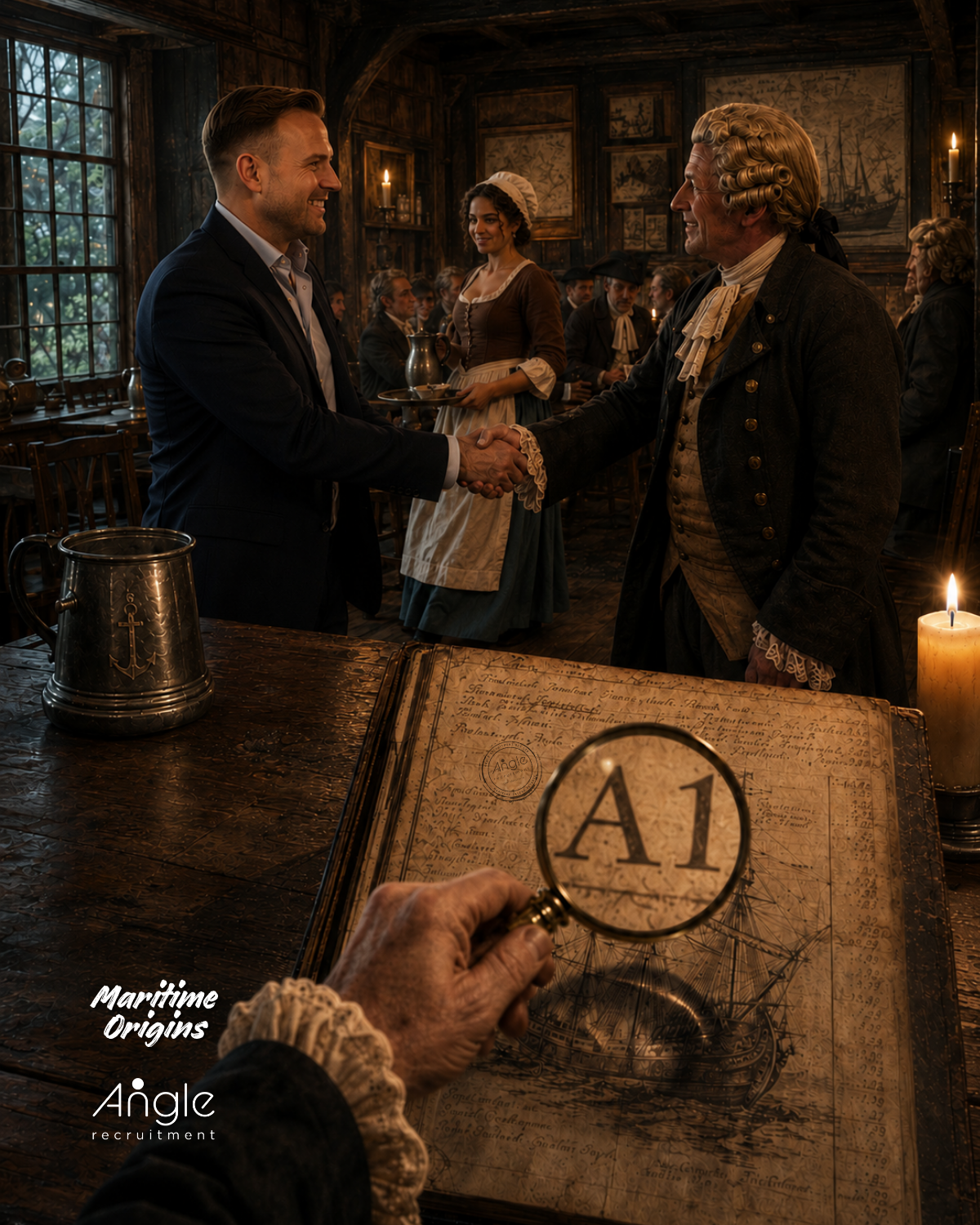
A1 wasn't always a boast, it started as a ship survey at Lloyd's coffee house in the 1680s. Discover how two characters became shorthand for the best today.