


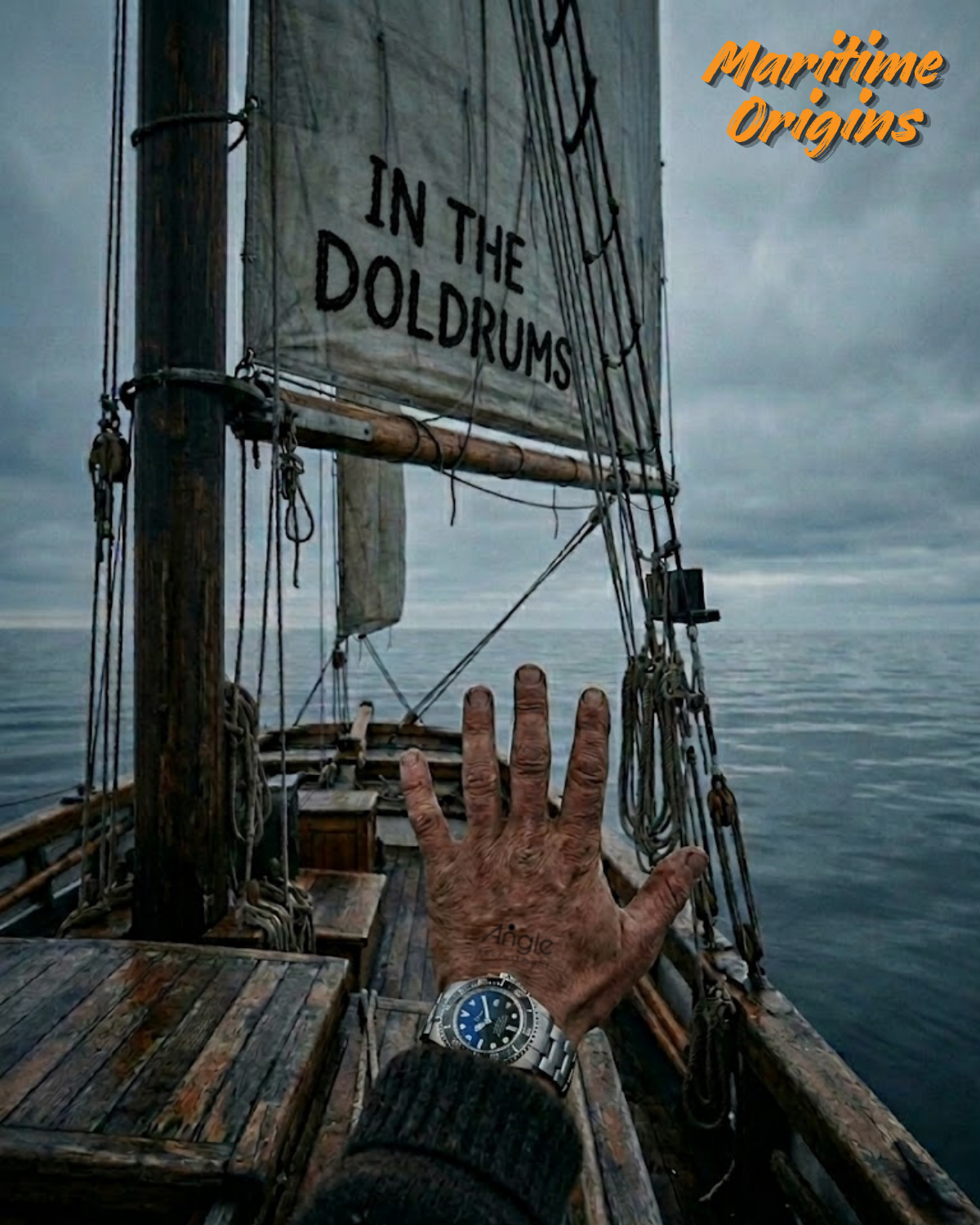
In The Doldrums
With all the recent maelstrom in the markets, one question keeps coming up:
"Is it affecting your business?"
I'll come back to that. First, the phrase.
"In the Doldrums" dates back to the early 1800s.
It described a windless belt of ocean near the equator where the northeast and southeast trade winds converge.
Blisteringly hot, dead calm, impossible to sail through. Ships could sit there for weeks, sails slack, waiting for a breath of wind to carry them forward.
Today we use it when things feel flat. When momentum dies. In life, business, or a career that has stopped moving.
Which brings me back to the question.
It's not "Iceberg, right ahead." Geopolitics have brought drift and hesitation to some hiring desks. That much is true.
But senior searches are still landing, global assignments are still being filled, and the phones are still ringing.
We're not becalmed. We're definitely still feeling a breeze.
Fun Facts
⚓️ "Doldrums" was a mood before it was a place. The word appeared in late 18th-century English meaning a dull, listless state. Sailors then borrowed it and applied it to the windless belt at the equator. The mood came first. The geography caught up.
⚓️ Coleridge gave the Doldrums its most famous image. In The Rime of the Ancient Mariner (1798), he wrote: "As idle as a painted ship / Upon a painted ocean." Two hundred years later, that's still the metaphor every stranded CEO and stuck-in-traffic commuter reaches for.
⚓️ The Horse Latitudes are the Doldrums' crueler cousin. Another windless belt sits further north and south. Legend has it Spanish ships bound for the Americas ran so low on water that they threw their horses overboard to lighten the load and save what rations were left. Being becalmed was never just inconvenient. It forced hard choices.
The Horse Latitudes weren't the only time a sailor's tale turned into a phrase we still use today.
"Flogging a dead horse"
came from the same seas, but that one's a story for another post.
Maritime Origins is a weekly storytelling series exploring the sea-born origins of phrases we still use on land, along with the lesser-known stories, legends and characters that shaped maritime culture.
Created by Jason Nangle, founder of Angle Recruitment, a global maritime recruitment and executive search firm.
New episode every Tuesday on LinkedIn. Also on Instagram, YouTube and Facebook.
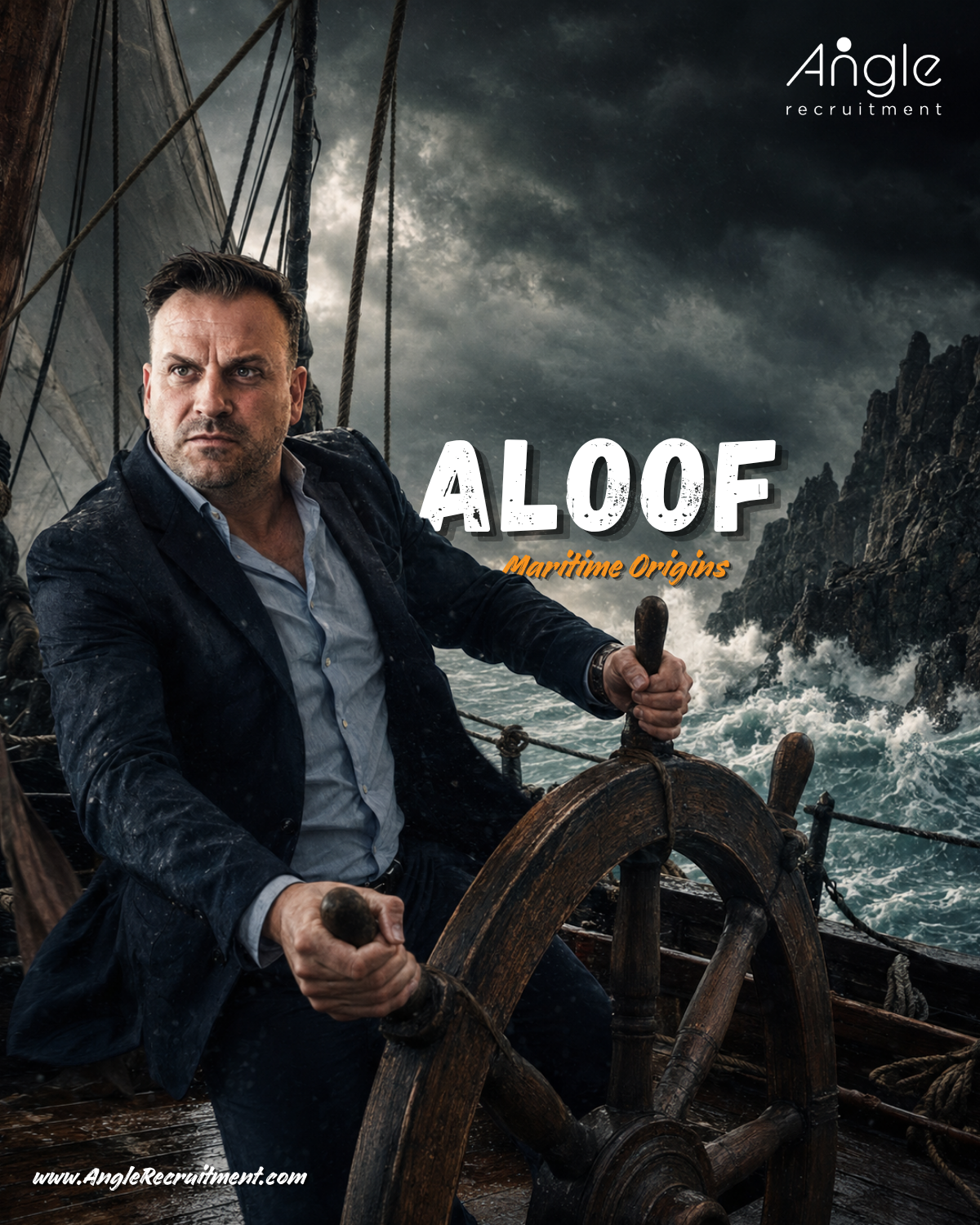
Aloof began as a Tudor helm order to keep a ship's head to windward and clear of a lee shore. How a lifesaving steer became a snub. Maritime Origins.
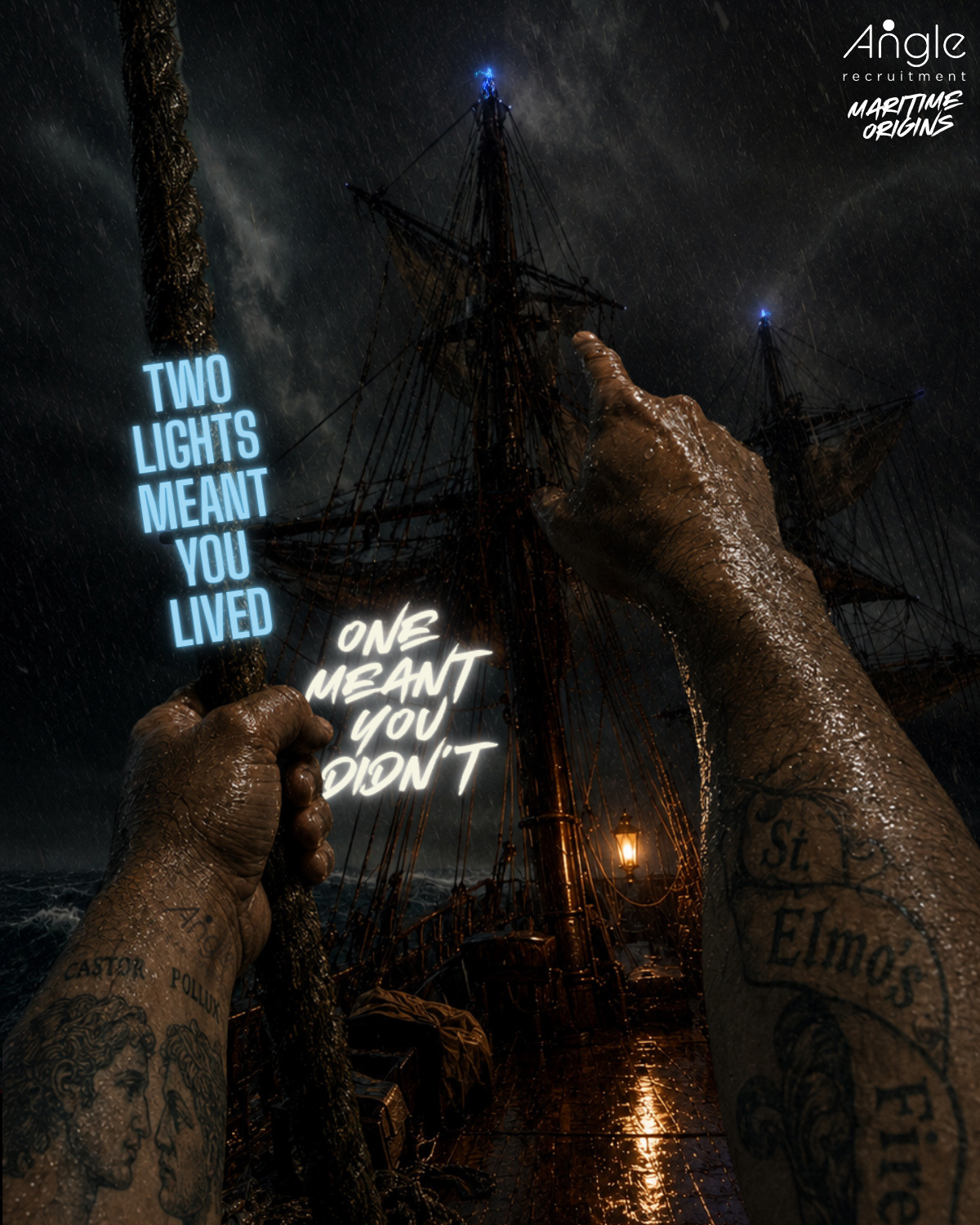
The mast glows blue. No heat, no flame, just tension in the air. Once a sign from the gods, now called St Elmo’s Fire. Still enough to unsettle any crew.

After the Benlomond sank in 1942, Poon Lim spent 133 days alone on a life raft, surviving through ingenuity, resourcefulness and extraordinary determination.