


Shake a Leg: Maritime Wake-Up Call
Mornings aren't really my thing 💤
You? 🫵
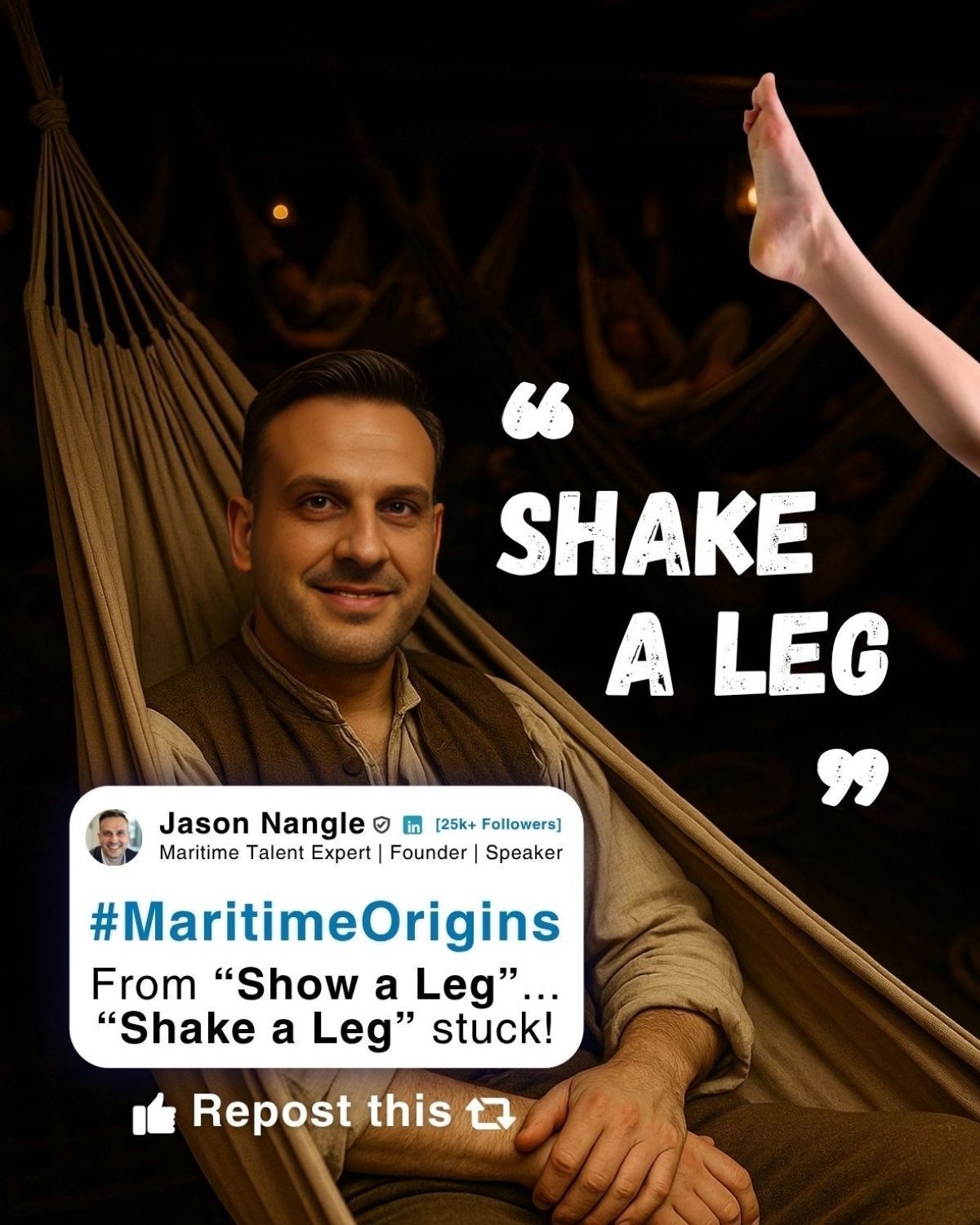
"Show a leg!" was once the wake-up call on Royal Navy ships.
Sailors had to stick a leg out of their hammocks so the bosun could see they were awake.
A shapely leg? That meant a wife or lady friend on board - allowed to sleep in.
Everyone else had to shake a leg and get moving.
And that's where the phrase was born.
Today, "shake a leg" simply means hurry up. Still one of the liveliest wake-up calls in the English language.
But here's where it gets interesting...
⚓ In the West → "shake a leg" = hurry up
🦵 In Singapore / Asia → "shake leg" = do nothing at all
Same phrase. Opposite meanings.
Separated by a definite article and about 10,000 kilometres.
Fun Facts
⚓️ Singlish stripped the grammar and flipped the meaning "Shake leg" in Singlish dropped the article "a" and completely reversed the sense. In local usage it describes someone who is idle or skiving - picture a person leaning back with one leg bouncing lazily. It is a perfect example of how maritime English travelled east, got absorbed into local vernacular, and came out meaning something entirely different. Just like "gostan" - the Royal Navy's "go astern" command that became everyday Singlish for reversing a car. The sea shaped the language, and Singapore kept the best bits.
⚓️ Shakespeare got there first "Shake a leg" appears in writing as far back as 1599, with some scholars attributing early use to Shakespeare. It took on its naval wake-up meaning later, but the phrase has been rattling around the English language for over 400 years. Shakespeare himself was writing at the height of England's naval expansion - the same era that gave us the battle of "hello" & "ahoy" and the seafaring vocabulary that still colours everyday speech today.
⚓️
The lady friend loophole Women found on board Royal Navy ships weren't always stowaways or surprises. When ships were in port, sailors were sometimes permitted to bring wives or female companions aboard overnight. The "shapely leg" test was a genuine, if informal, way of identifying them at morning muster.
Maritime Origins is a weekly storytelling series exploring the sea-born origins of phrases we still use on land, along with the lesser-known stories, legends and characters that shaped maritime culture.
Created by Jason Nangle, founder of Angle Recruitment, a global maritime recruitment and executive search firm.
New episode every Tuesday on LinkedIn. Also on Instagram, YouTube and Facebook.
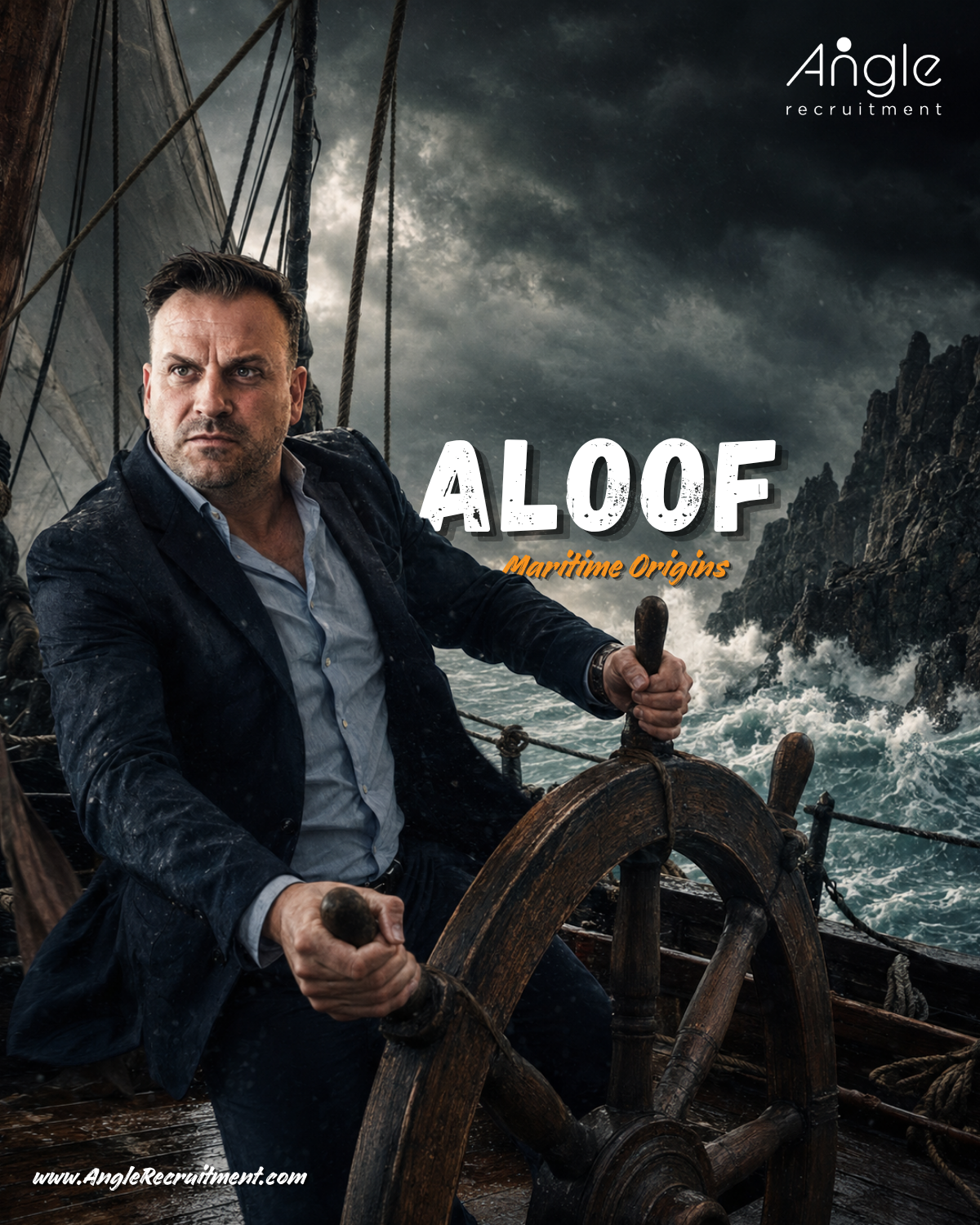
Aloof began as a Tudor helm order to keep a ship's head to windward and clear of a lee shore. How a lifesaving steer became a snub. Maritime Origins.
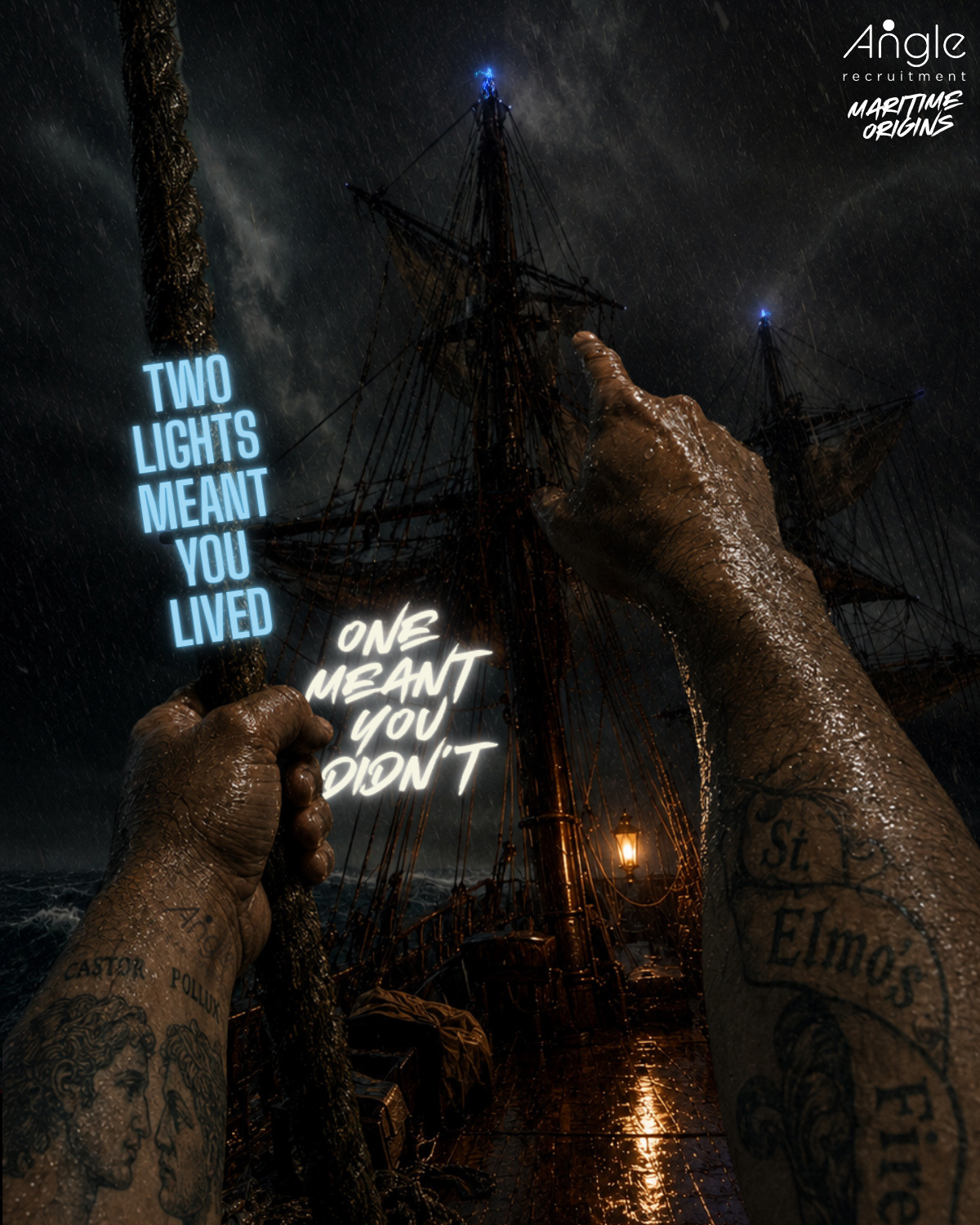
The mast glows blue. No heat, no flame, just tension in the air. Once a sign from the gods, now called St Elmo’s Fire. Still enough to unsettle any crew.

After the Benlomond sank in 1942, Poon Lim spent 133 days alone on a life raft, surviving through ingenuity, resourcefulness and extraordinary determination.