


My favourite Singlish word...
has a Royal Navy origin.
My career advice?
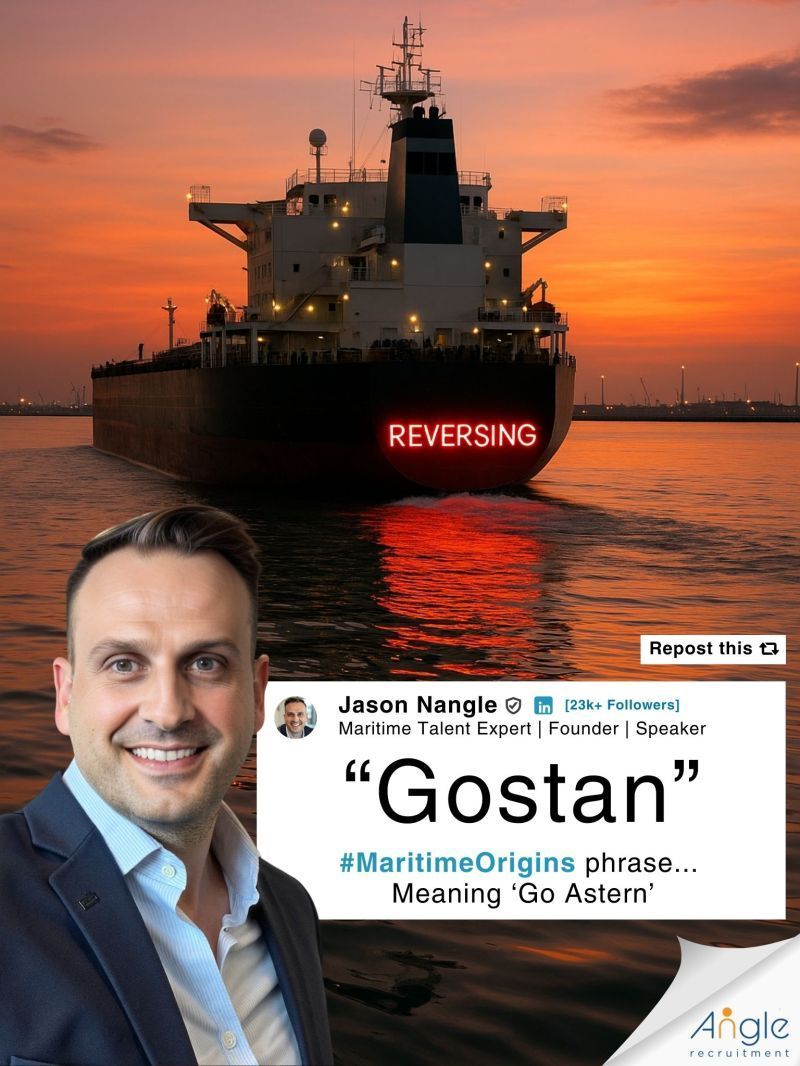
You cannot "Gostan" already.
Learn from your mistakes and keep moving forward.
"Gostan" was born in the bustling ports of Southeast Asia:
Penang
Malacca
Singapore
A local twist on the Royal Navy command "Go Astern", meaning to reverse a ship.
Somewhere along the way, it slipped its moorings and sailed into everyday Singlish life.
⏪ ”Eh bro, too far lah, need to gostan a bit.”
🤦♂️ "Said yes to overtime before hearing how much. Gostan the enthusiasm already."
🌶️ "Thought the laksa not spicy. One spoon - eyes watering already. Too late, cannot gostan."
Gostan is a brilliant example of nautical English taking root through Singlish and Manglish.
Reflecting Southeast Asia's deep maritime heritage.
It likely dates back over 100 years to the British colonial era.
Fun Facts
It's officially Manglish and Singlish "Gostan" appears in both Malaysian English (Manglish) and Singaporean English (Singlish) dictionaries. One word, two countries, one shared maritime history.
And there's a butt load more phrases where that came from.
-⚓️-
It works in reverse too The opposite command - "Go ahead" - became "gohed" in Singlish. So you could "gostan" out of a parking spot and "gohed" down the road, all in Royal Navy English without knowing it.
-⚓️-
Pirates may have used it too The Strait of Malacca was one of the most pirated waters in the world. British naval vessels patrolling the region would have used "go astern" constantly. Whether pirates picked it up is unconfirmed - but it's a fun thought.
Maritime Origins is a weekly storytelling series exploring the sea-born origins of phrases we still use on land, along with the lesser-known stories, legends and characters that shaped maritime culture.
Created by Jason Nangle, founder of Angle Recruitment, a global maritime recruitment and executive search firm.
New episode every Tuesday on LinkedIn. Also on Instagram, YouTube and Facebook.
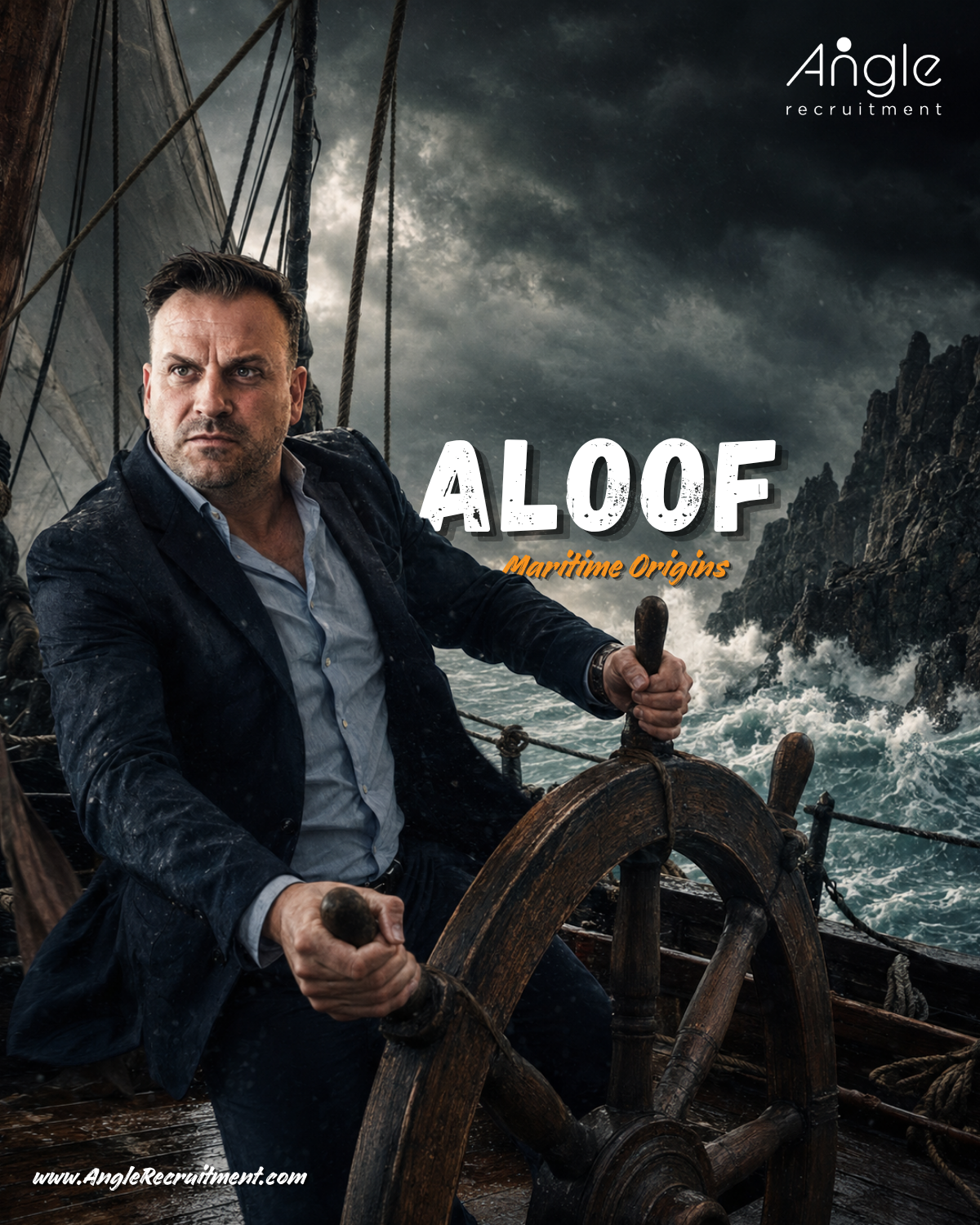
Aloof began as a Tudor helm order to keep a ship's head to windward and clear of a lee shore. How a lifesaving steer became a snub. Maritime Origins.
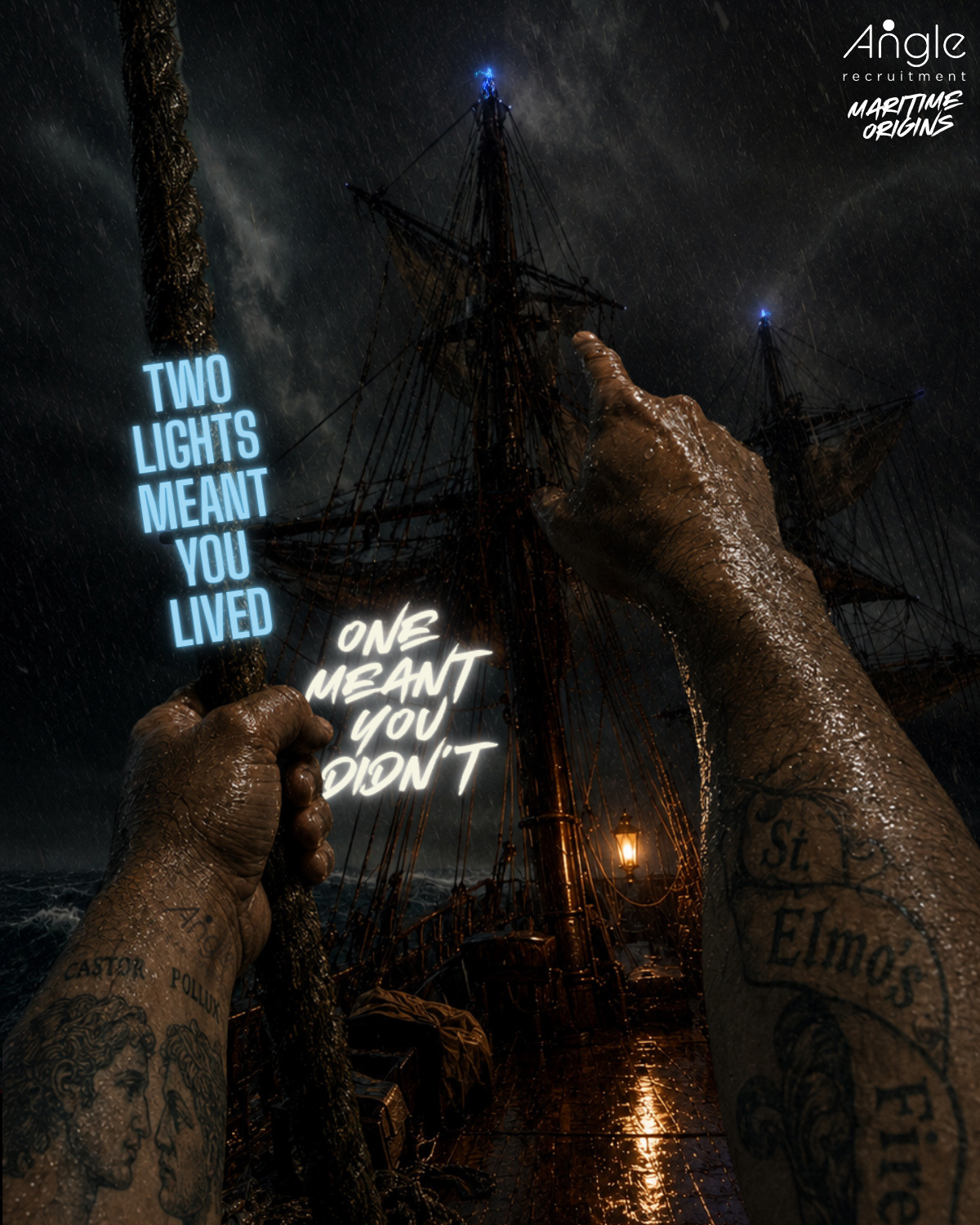
The mast glows blue. No heat, no flame, just tension in the air. Once a sign from the gods, now called St Elmo’s Fire. Still enough to unsettle any crew.

After the Benlomond sank in 1942, Poon Lim spent 133 days alone on a life raft, surviving through ingenuity, resourcefulness and extraordinary determination.