


The day “Ahoy” lost to “Hello”
Every day I answer my phone the same way.
Without realising it, I’m taking sides in a 150-year-old argument.
“Hello” nearly didn’t happen.
When the telephone was invented…
Alexander Graham Bell wanted us to answer with “Ahoy.”
A maritime call used to hail ships.
Thomas Edison had other ideas.
He argued “Hello” was sharper. More urgent.
Ideal for the crackle of early phone lines.
In 1877, Edison won.
The first operators, the "Hello Girls", made it official.
Bell never accepted it and used “Ahoy” until he died.
Telephones changed “hello” forever…
From a call for attention, to a greeting.
Even today, “ahoj” lives on beyond the sea.
The Slovaks use it as their everyday greeting.
A landlocked nation using a maritime call.
1877. You get one vote.
Bell’s 'Ahoy' or Edison’s 'Hello'? 🤔
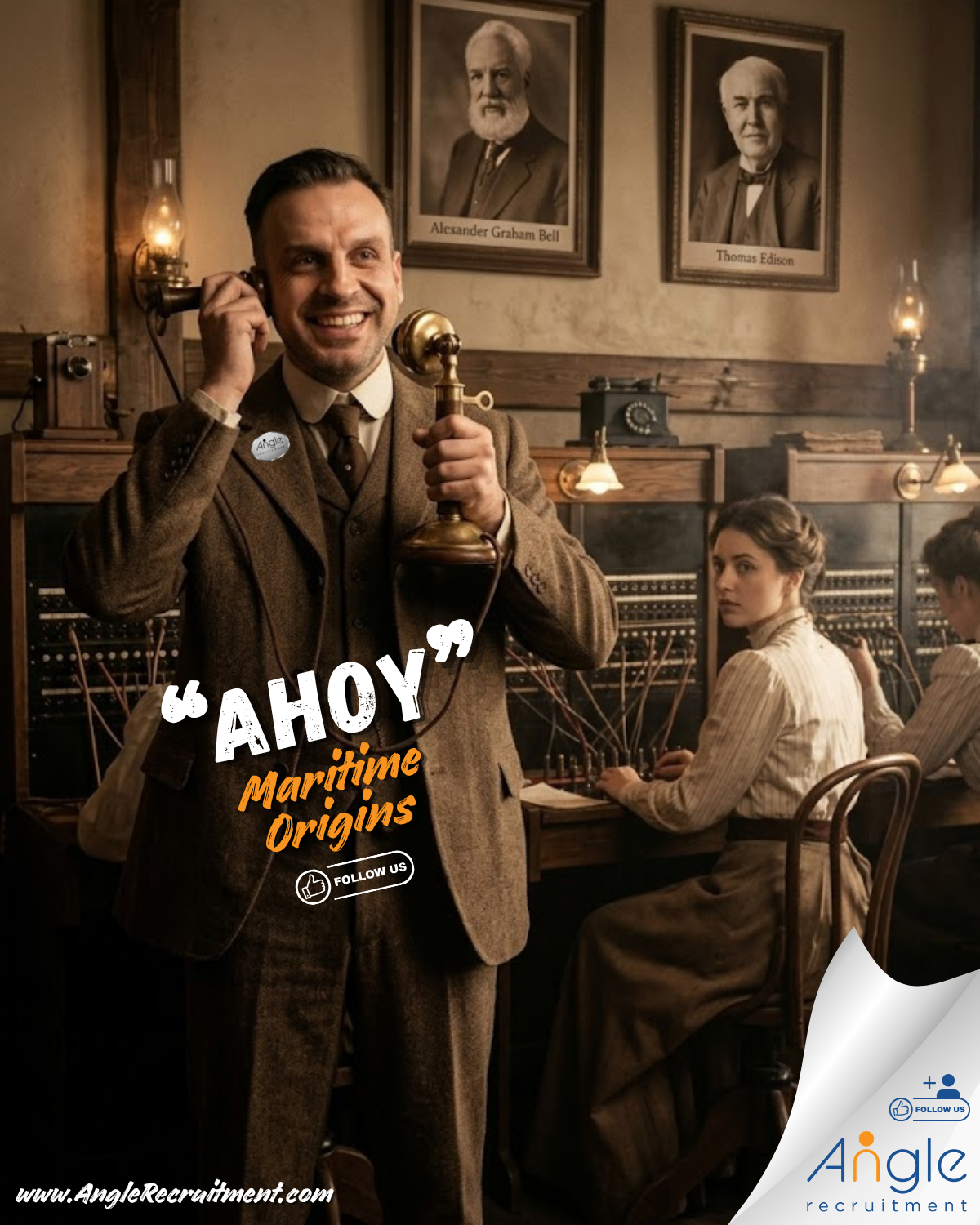
Fun Facts
“Ahoy” wasn’t just a greeting. It was a working command
At sea, “Ahoy!” was used to hail, warn, or demand attention.
Often followed by context, like:
“Ship ahoy!” or “Ahoy the deck!”
-⚓️-
It travelled globally through Dutch seafarers.
During the 17th century, Dutch maritime dominance spread terms like “hoi” or “hoy”.
These sharp, simple calls evolved into “ahoy” across English-speaking seafarers.
-⚓️-
Bell wasn’t being quirky. He was being practical.
Choosing “Ahoy” wasn’t random.
He picked a word already proven to work over distance and noise.
In many ways, it was the better technical choice
The Maritime Origins Series
Maritime Origins is a storytelling series created by Jason Nangle, Founder of Angle Recruitment, a global maritime recruitment and executive search firm.
The series explores the fascinating history behind everyday phrases that originated at sea, as well as the remarkable stories, traditions and characters that have shaped maritime culture.
Many sayings still used today were first spoken by sailors navigating the challenges of life on board ships. Alongside these phrase origins, the series also highlights lesser-known maritime stories, legends and historical moments from the world of shipping.
Through short stories and visual posts, Maritime Origins connects the language, heritage and traditions of seafarers with the modern maritime industry.
New posts in the series launch every Tuesday on LinkedIn and are then shared across other platforms including Instagram, YouTube, TikTok and X. Follow
Jason Nangle on LinkedIn and Angle Recruitment across your preferred social platforms.
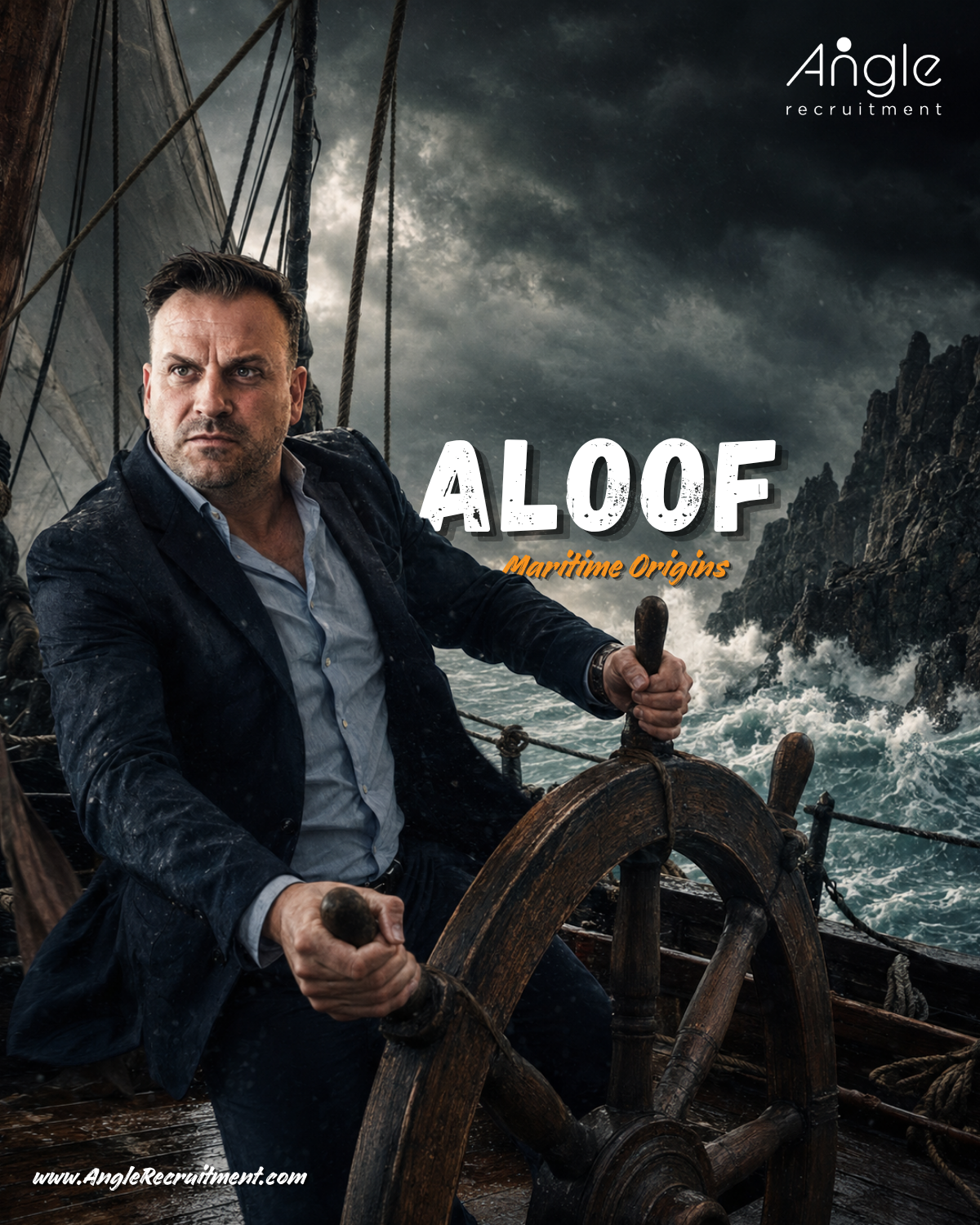
Aloof began as a Tudor helm order to keep a ship's head to windward and clear of a lee shore. How a lifesaving steer became a snub. Maritime Origins.
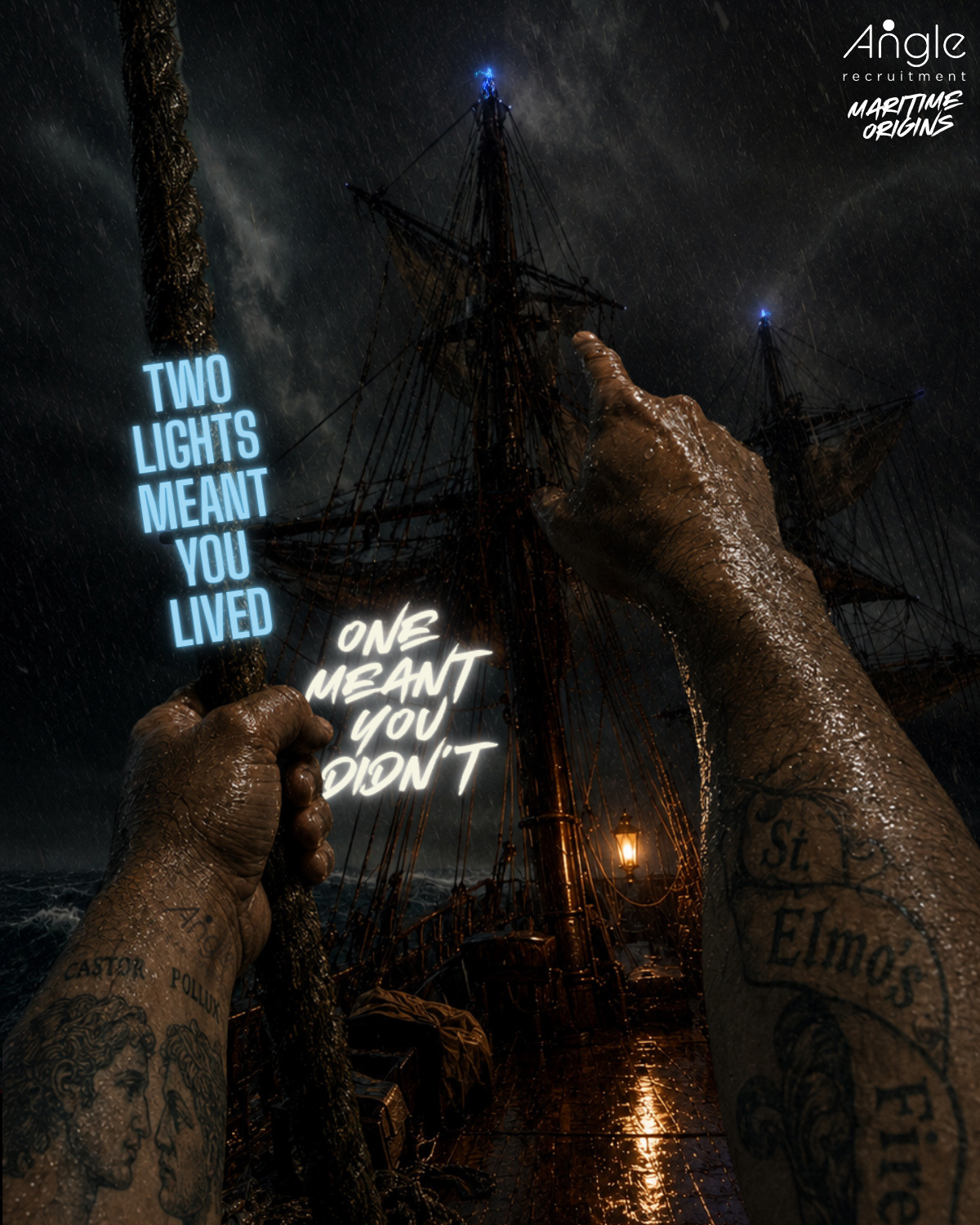
The mast glows blue. No heat, no flame, just tension in the air. Once a sign from the gods, now called St Elmo’s Fire. Still enough to unsettle any crew.

After the Benlomond sank in 1942, Poon Lim spent 133 days alone on a life raft, surviving through ingenuity, resourcefulness and extraordinary determination.