


Maelstrom
"The market's a bit of a maelstrom right now."
Were the words of a shipping leader to me
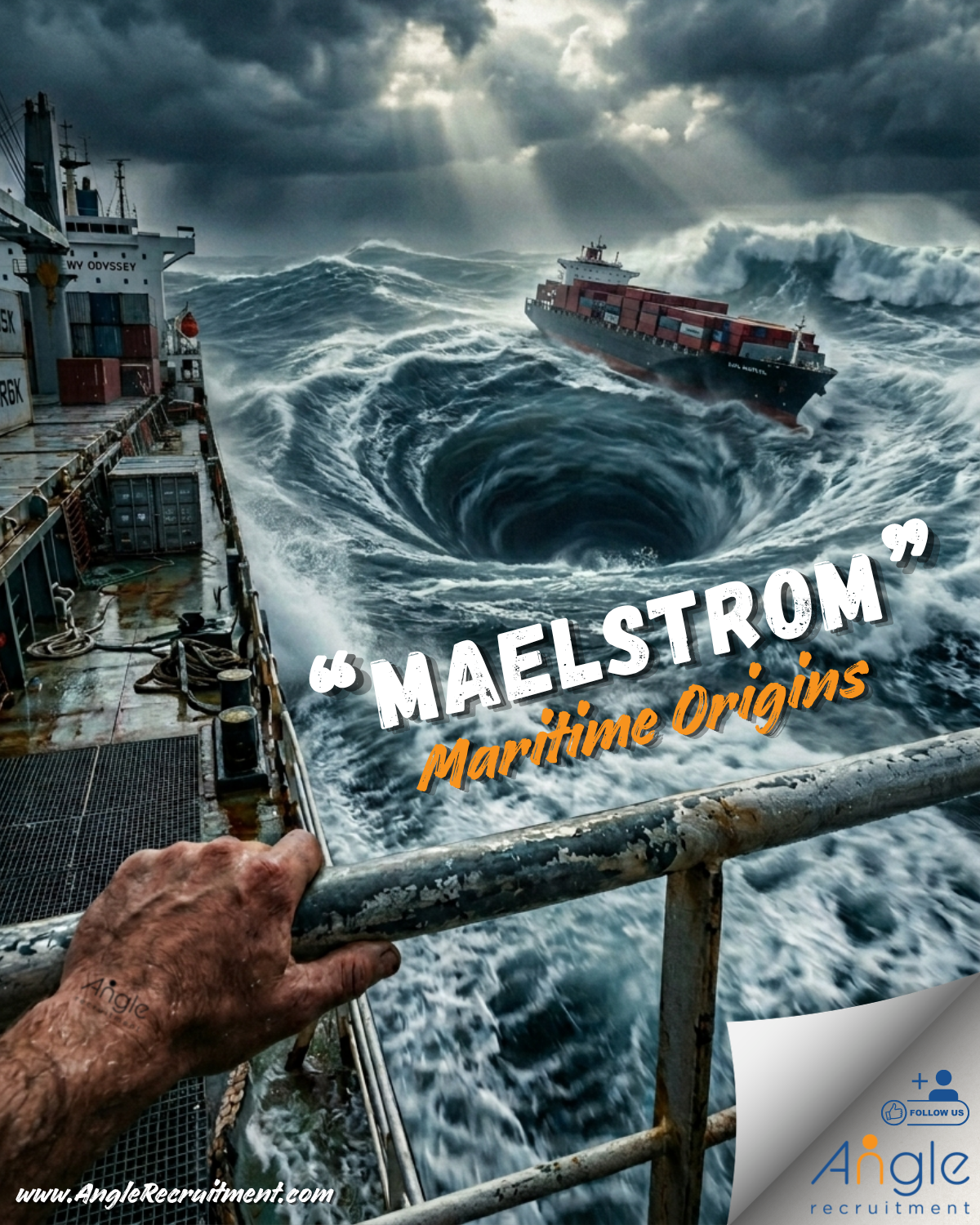
“Maelstrom” 🤔 I looked it up…
and to my surprise, it has fascinating maritime origins.
🇳🇴 Off the Lofoten Islands in northern Norway lies one of the most violent stretches of water on Earth.
A tidal current so powerful, so relentless…
it could engulf vessels in its whirlpool.
🇳🇱 Dutch sailors who traded along that coastline had a word for it.
Maalstroom.
Translated to the ‘grinding stream’.
📚 Edgar Allan Poe set a story there in 1841.
📚 Jules Verne wrote it into 20,000 Leagues Under the Sea.
400 years later…
It's the word the world reaches for when chaos feels too mild.
Fun Facts
The Maelstrom isn’t a myth. It’s a real tidal current near Norway, called the Moskstraumen, still studied today for its extreme power.
-⚓️-
Early sailors believed the Maelstrom could drag entire ships to the bottom of the ocean.
In reality, it’s terrifying… but survivable if navigated correctly.
-⚓️-
The word “maelstrom” is now used in finance, politics and media.
Basically anywhere things feel completely out of control. Not just at sea anymore.
The Maritime Origins Series
Maritime Origins is a storytelling series created by Jason Nangle, Founder of Angle Recruitment, a global maritime recruitment and executive search firm.
The series explores the fascinating history behind everyday phrases that originated at sea, as well as the remarkable stories, traditions and characters that have shaped maritime culture.
Many sayings still used today were first spoken by sailors navigating the challenges of life on board ships. Alongside these phrase origins, the series also highlights lesser-known maritime stories, legends and historical moments from the world of shipping.
Through short stories and visual posts, Maritime Origins connects the language, heritage and traditions of seafarers with the modern maritime industry.
New posts in the series launch every Tuesday on LinkedIn and are then shared across other platforms including Instagram, YouTube, TikTok and X. Follow
Jason Nangle on LinkedIn and Angle Recruitment across your preferred social platforms.
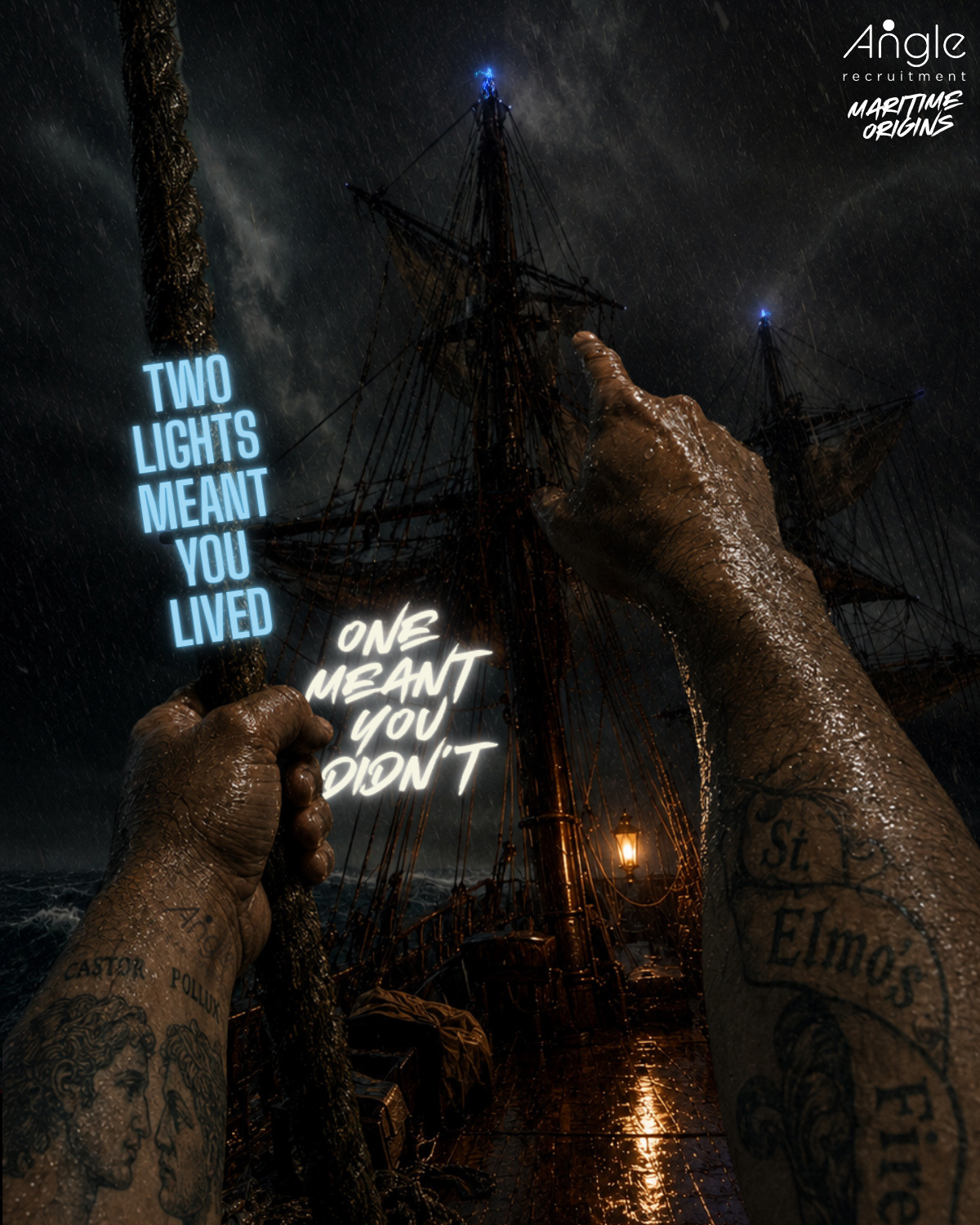
The mast glows blue. No heat, no flame, just tension in the air. Once a sign from the gods, now called St Elmo’s Fire. Still enough to unsettle any crew.

After the Benlomond sank in 1942, Poon Lim spent 133 days alone on a life raft, surviving through ingenuity, resourcefulness and extraordinary determination.
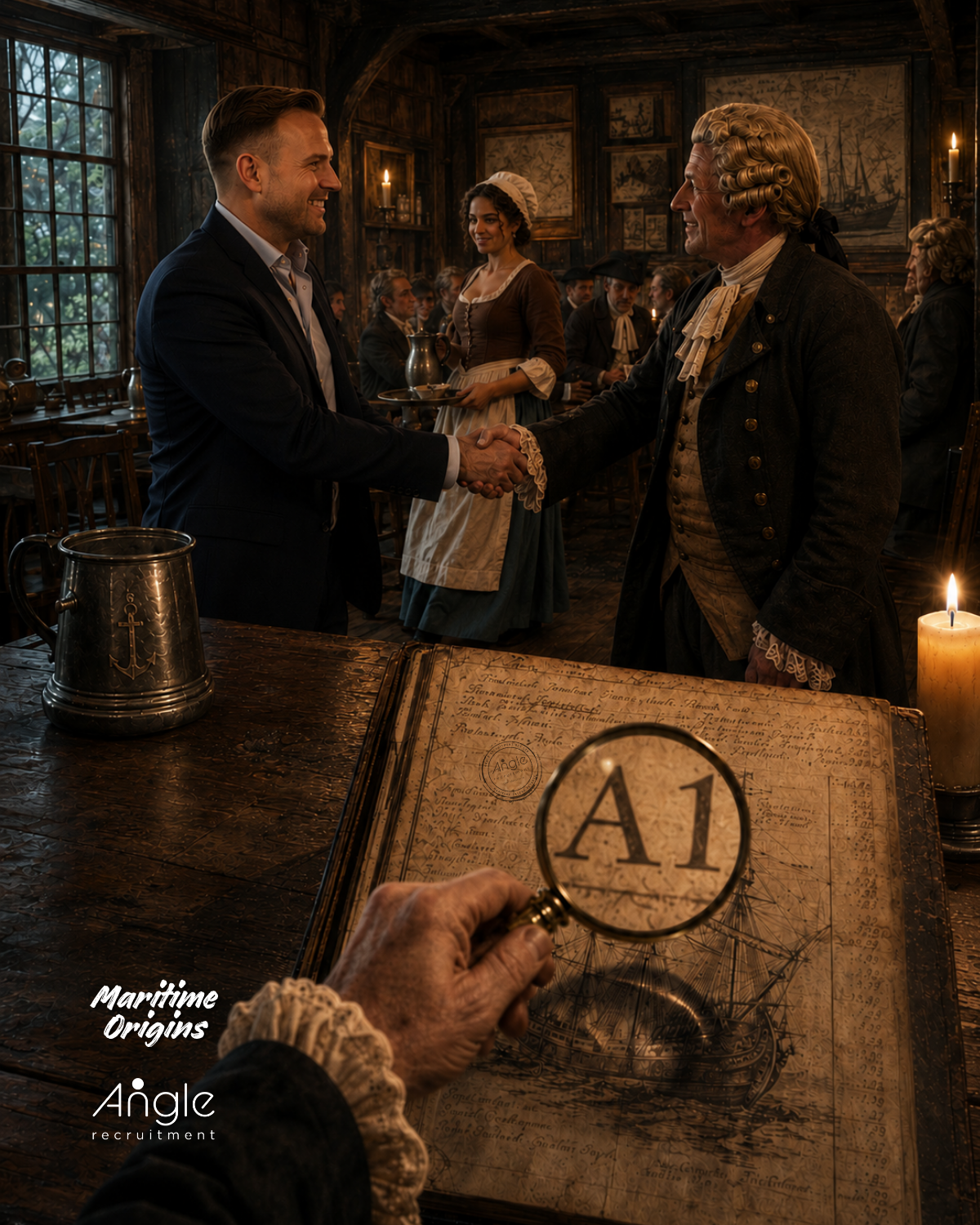
A1 wasn't always a boast, it started as a ship survey at Lloyd's coffee house in the 1680s. Discover how two characters became shorthand for the best today.