

Burn the Ships 🔥
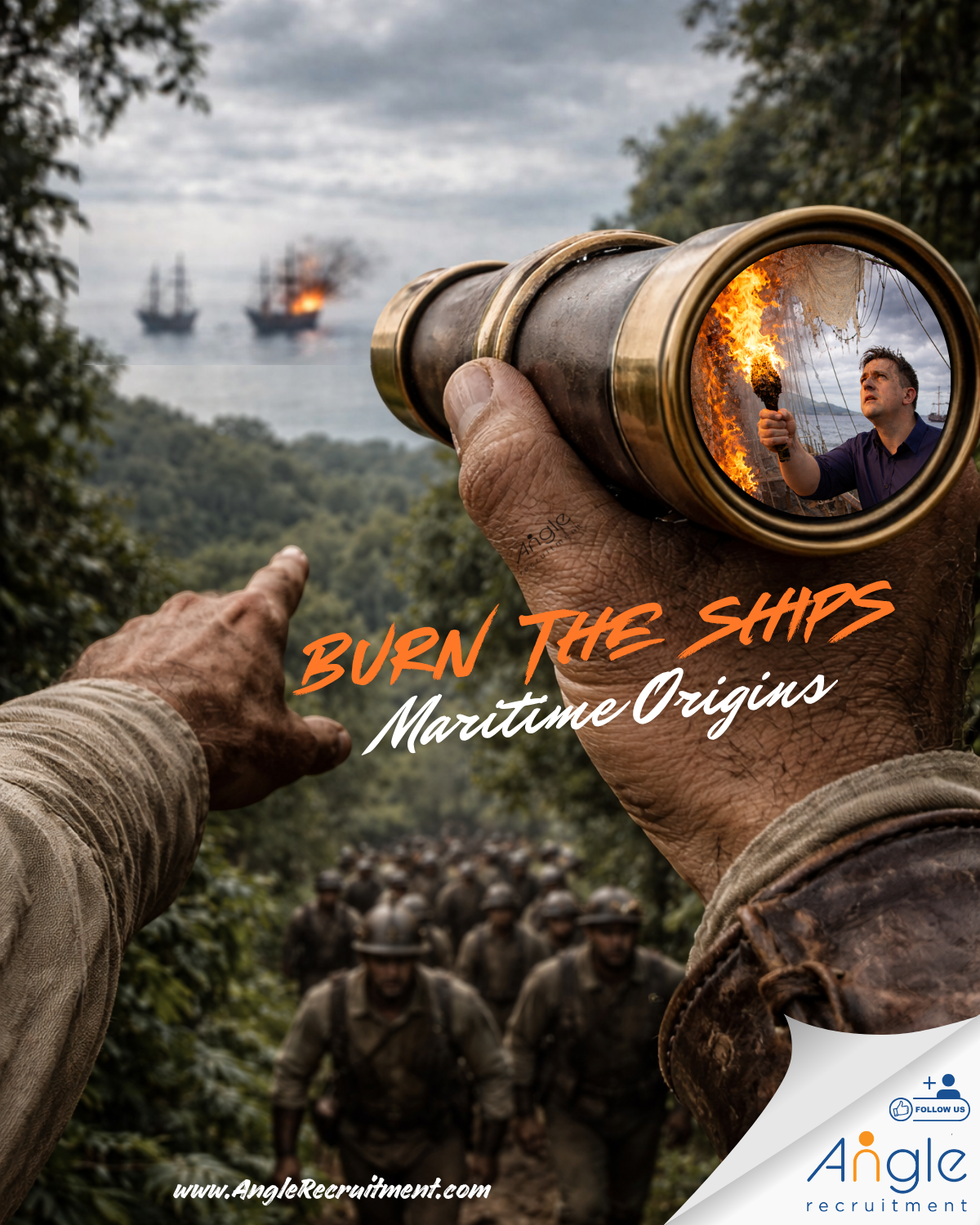
I first heard the phrase Burn the Ships from an entrepreneur.
Somewhat stark advice for what lay ahead in setting up my own business…
Maybe you've felt that moment too…
when going back is no longer an option.
The phrase is linked to Hernán Cortés in 1519.
A Spanish conquistador who led the fall of the Aztec Empire.
When he landed in Mexico,
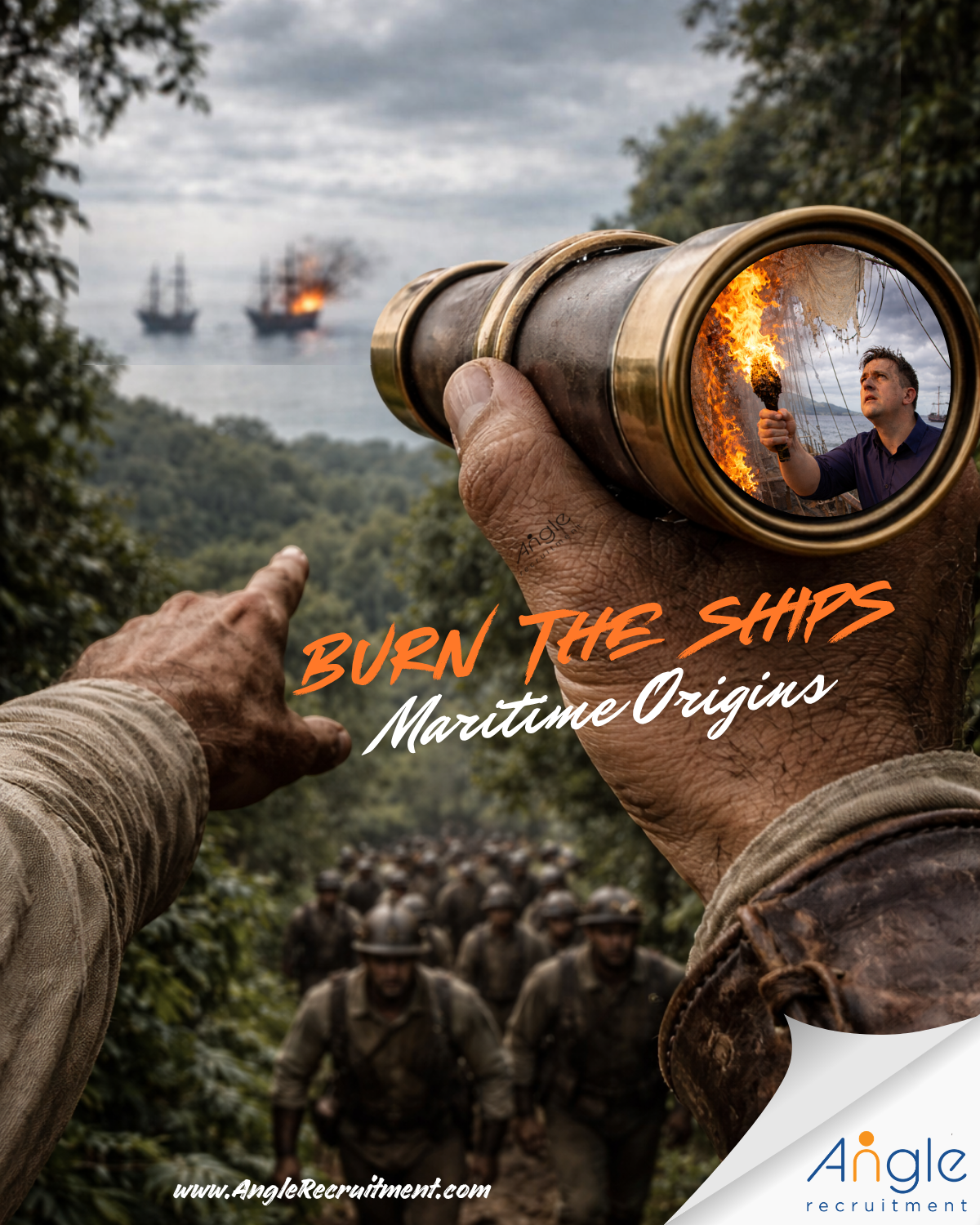
The story goes that he burned his own ships…
So his men had no option but to push forward.
No retreat. No second thoughts.
🫵 The message was simple:
Win… or there’s no way home.
Today, it’s used across business and leadership to describe:
Total commitment.
Cutting off the safety net.
Removing the option to quit.
No plan B.
No hedging.
Just full focus on making it work.
Fun Facts
⚓️ He may not have actually burned the ships 😳
Most historians believe Cortés scuttled (sank) them, not burned them. Same outcome. Less Hollywood. Either way, the message to his men was clear. Cannot Gostan - a Singlish phrase born in the ports of Southeast Asia, meaning to reverse. No going back.
⚓️ The biggest “weapon” wasn’t strategy 🤔
Disease, especially
smallpox, played a huge role in the fall of the Aztec Empire.
A brutal reminder that outcomes aren’t always decided on the battlefield.
⚓️
He didn’t win alone 👊
Cortés had only ~500 men.
His real advantage came from
alliances with local tribes who opposed the Aztecs.
The Maritime Origins Series
Maritime Origins is a storytelling series created by Jason Nangle, Founder of Angle Recruitment, a global maritime recruitment and executive search firm.
The series explores the fascinating history behind everyday phrases that originated at sea, as well as the remarkable stories, traditions and characters that have shaped maritime culture.
Many sayings still used today were first spoken by sailors navigating the challenges of life on board ships. Alongside these phrase origins, the series also highlights lesser-known maritime stories, legends and historical moments from the world of shipping.
Through short stories and visual posts, Maritime Origins connects the language, heritage and traditions of seafarers with the modern maritime industry.
New posts in the series launch every Tuesday on LinkedIn and are then shared across other platforms including Instagram, YouTube, TikTok and X. Follow
Jason Nangle on LinkedIn and Angle Recruitment across your preferred social platforms.
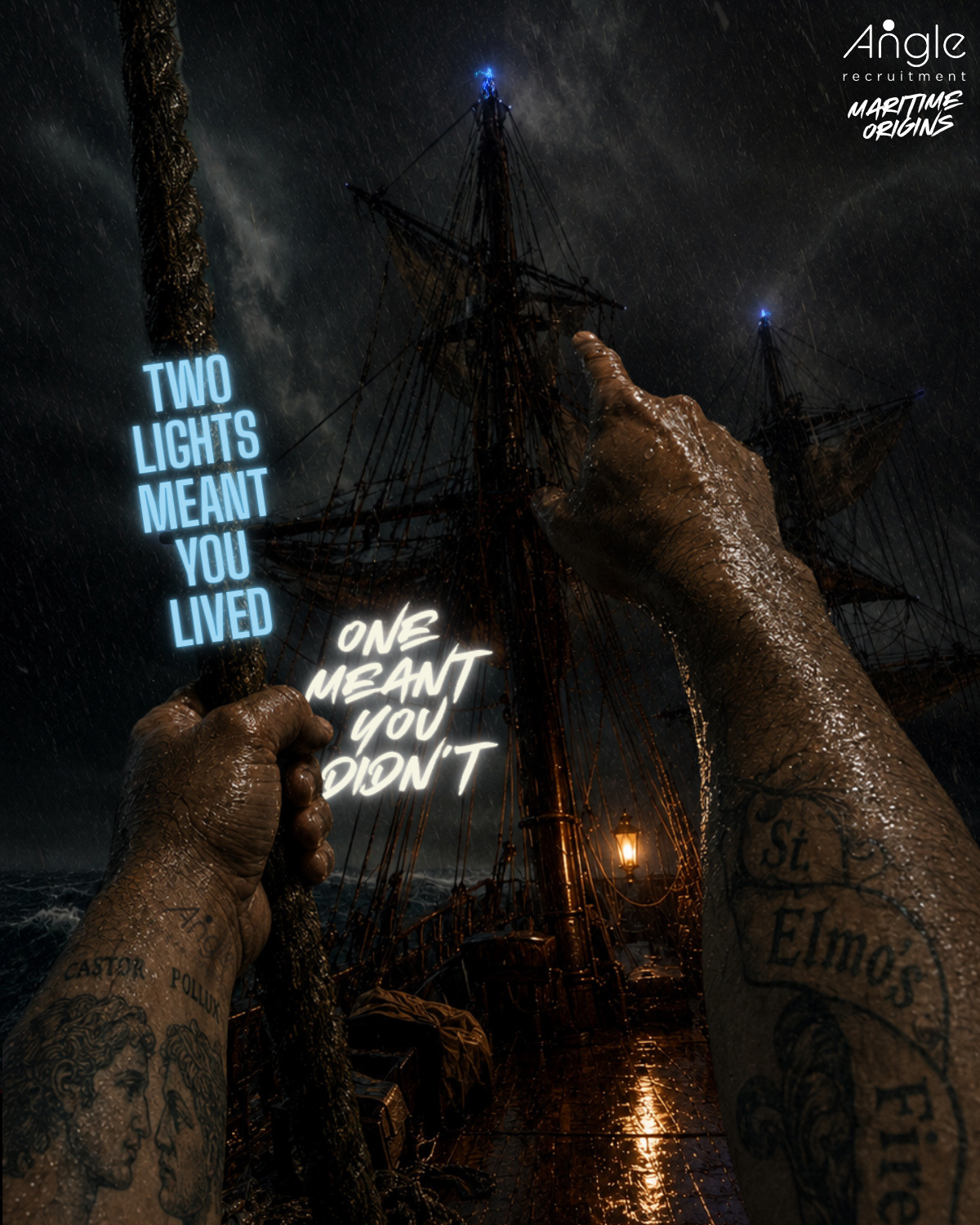
The mast glows blue. No heat, no flame, just tension in the air. Once a sign from the gods, now called St Elmo’s Fire. Still enough to unsettle any crew.

After the Benlomond sank in 1942, Poon Lim spent 133 days alone on a life raft, surviving through ingenuity, resourcefulness and extraordinary determination.
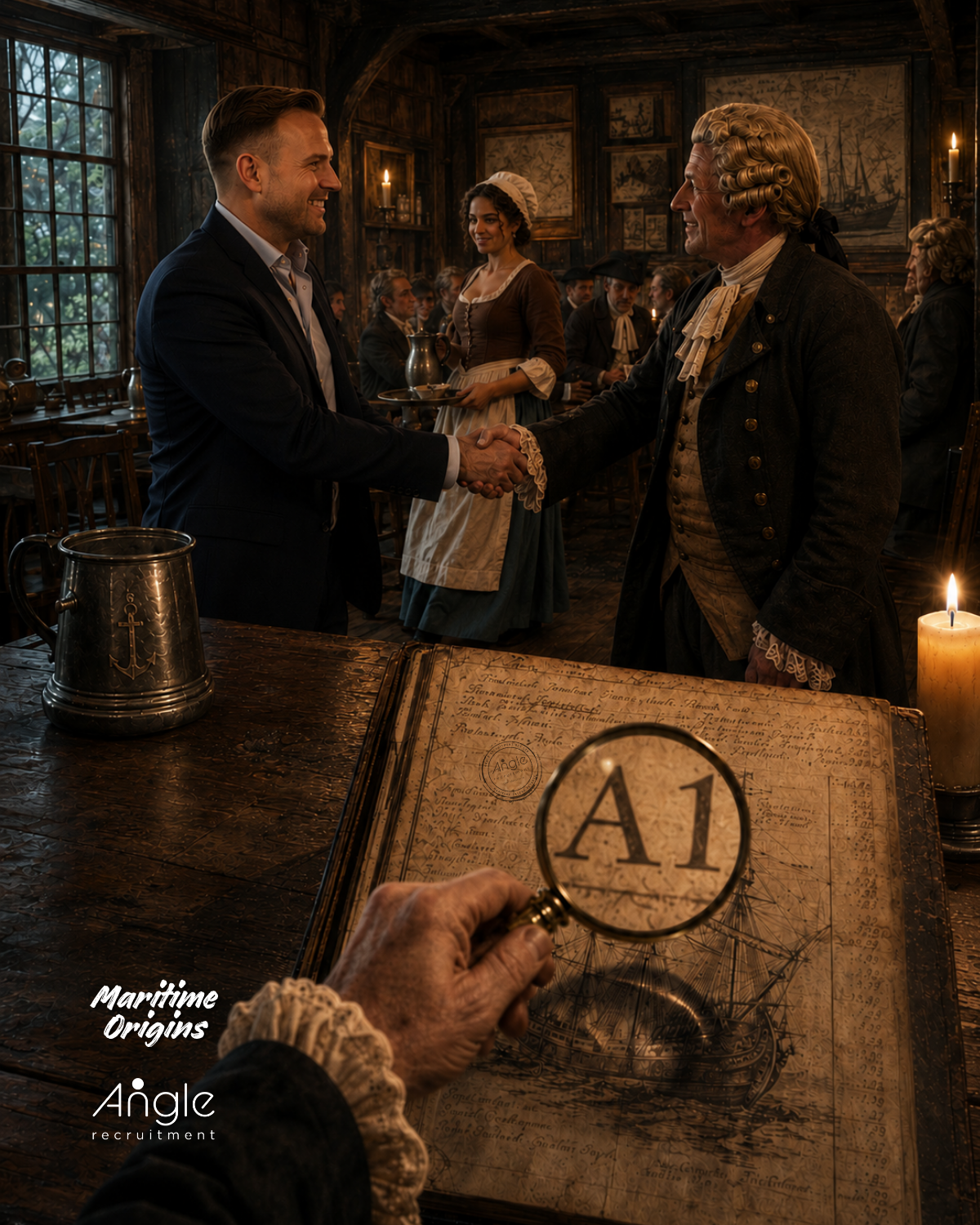
A1 wasn't always a boast, it started as a ship survey at Lloyd's coffee house in the 1680s. Discover how two characters became shorthand for the best today.