


From a WWII Shipyard to Global Graffiti. Kilroy Was Here Went Viral
The ‘I was here’ tag didn’t start with Kilroy… but he turned it into the world’s first viral meme.
Two thousand years earlier…
a Roman in Pompeii carved his name before the city was buried in ash.
A thousand years later…
The Vikings took it global… carving runes wherever they sailed.
In World War I…
Australian soldiers started tagging a mysterious figure called Foo.
Then came James Kilroy… an American shipyard inspector who marked ships he’d checked.
U.S. troops took his signature across every battlefield of World War II.
And “Kilroy was here” became the world’s first global meme.
Fun Facts
It spread through soldiers like a chain reaction.
Troops saw the drawing and phrase somewhere…
then copied it at the next place they reached.
Exactly how memes spread today.
-⚓️-
Hitler reportedly became obsessed with it.
German intelligence believed “Kilroy” was a master Allied spy, because the graffiti kept appearing everywhere Allied forces went.
-⚓️-
Stalin asked about Kilroy at Potsdam.
During the Potsdam Conference in 1945, Stalin reportedly noticed “Kilroy Was Here” written somewhere and asked aides who Kilroy was.
-⚓️-
It appeared on D-Day equipment.
Many Allied soldiers arriving in Normandy in 1944 saw “Kilroy Was Here” already written on crates and landing craft.
-⚓️-
The face was as famous as the phrase.
The
bald head with the long nose peeking over a wall became instantly recognisable across the Allied forces.
The Maritime Origins Series
Maritime Origins is a storytelling series created by Jason Nangle, Founder of Angle Recruitment, a global maritime recruitment and executive search firm.
The series explores the fascinating history behind everyday phrases that originated at sea, as well as the remarkable stories, traditions and characters that have shaped maritime culture.
Many sayings still used today were first spoken by sailors navigating the challenges of life on board ships. Alongside these phrase origins, the series also highlights lesser-known maritime stories, legends and historical moments from the world of shipping.
Through short stories and visual posts, Maritime Origins connects the language, heritage and traditions of seafarers with the modern maritime industry.
New posts in the series launch every Tuesday on LinkedIn and are then shared across other platforms including Instagram, YouTube, TikTok and X. Follow
Jason Nangle on LinkedIn and Angle Recruitment across your preferred social platforms.
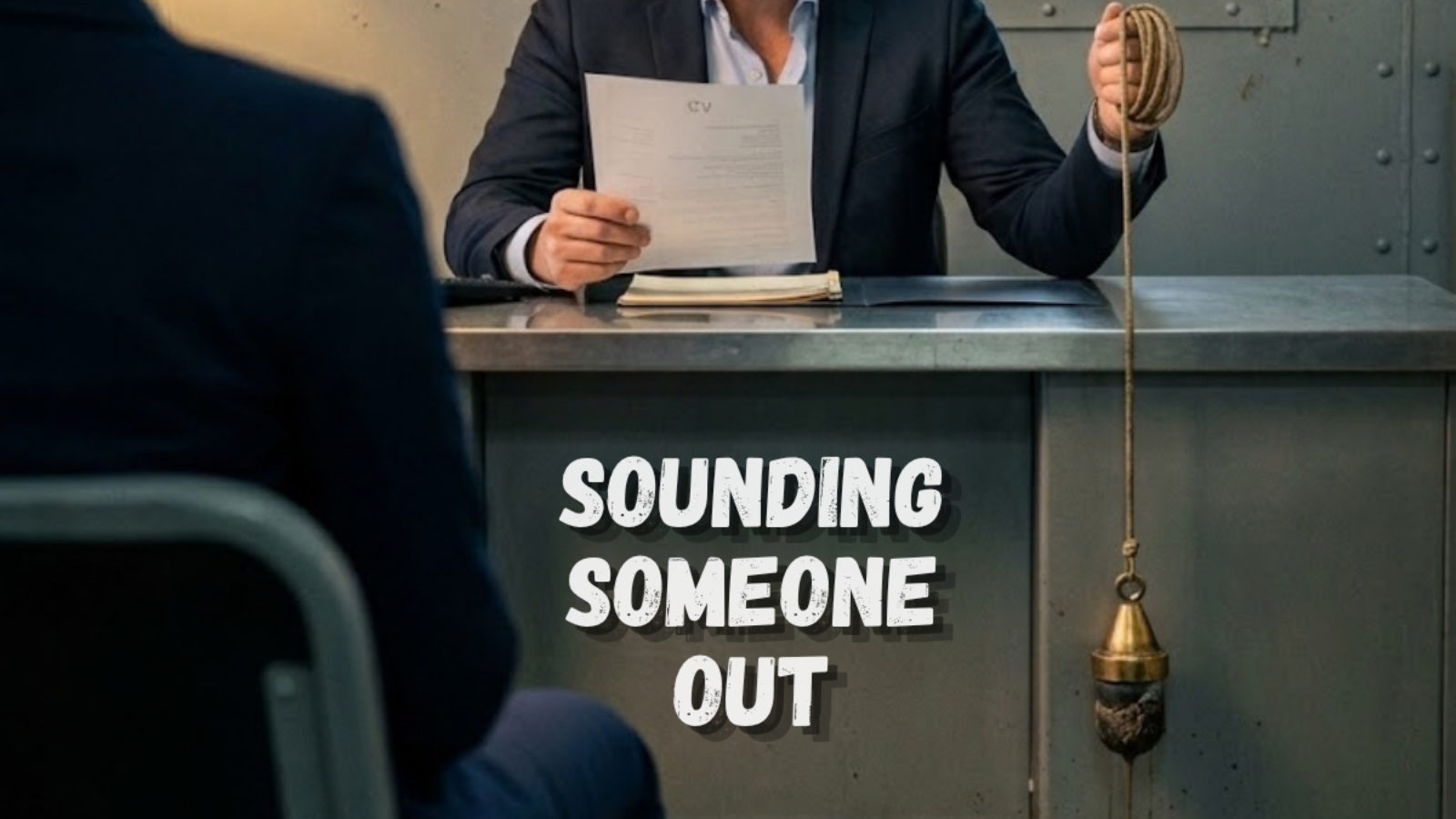
Sounding someone out: the leadsman's weighted line, the tallow that read the seabed, how Mark Twain got his name, and why an interview answer is half the story.
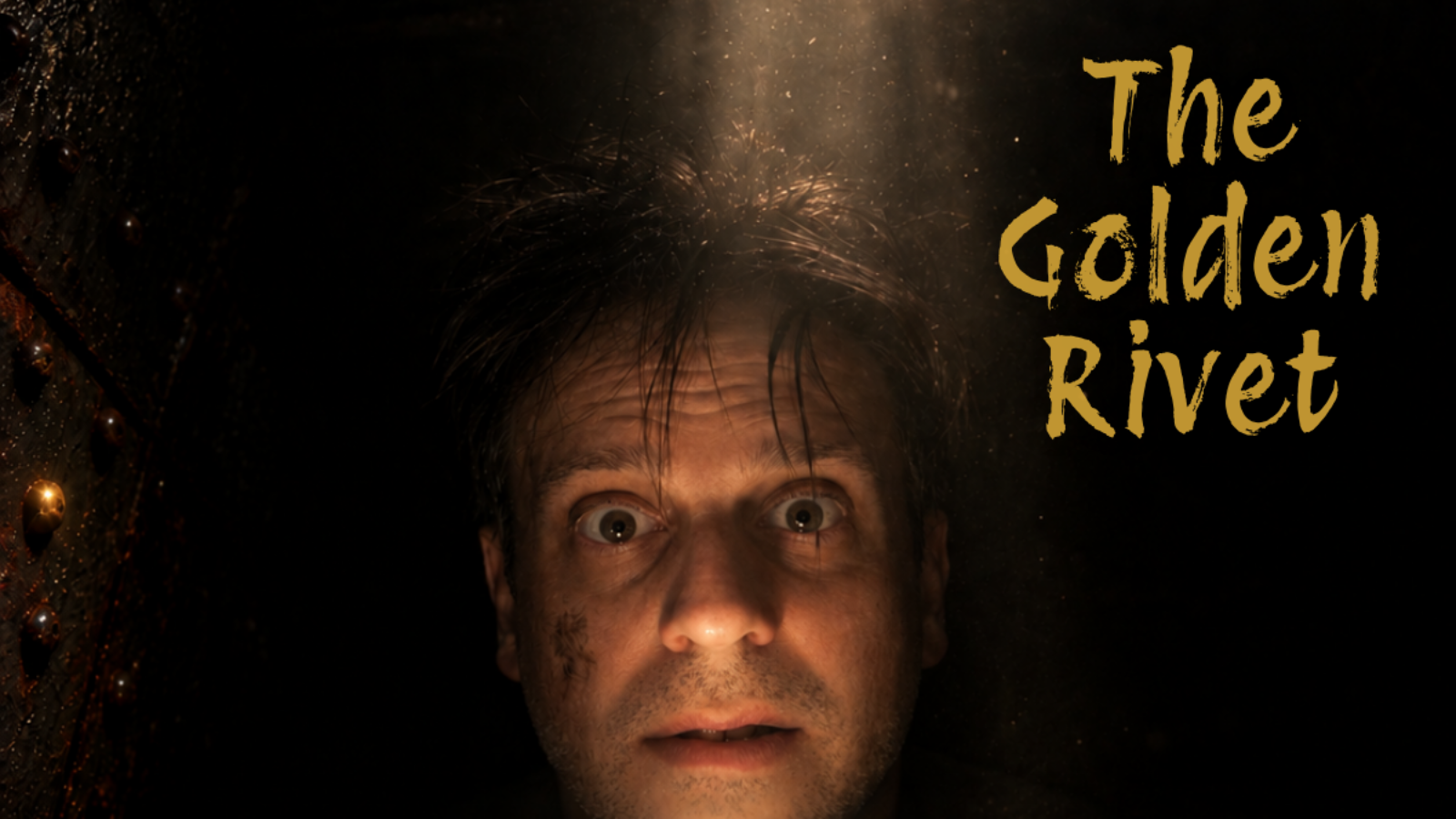
The golden rivet: the shipyard wind up that sent every new hand into the bilges, the Royal Navy's ruder version, and the hidden talent recruiters actually find.
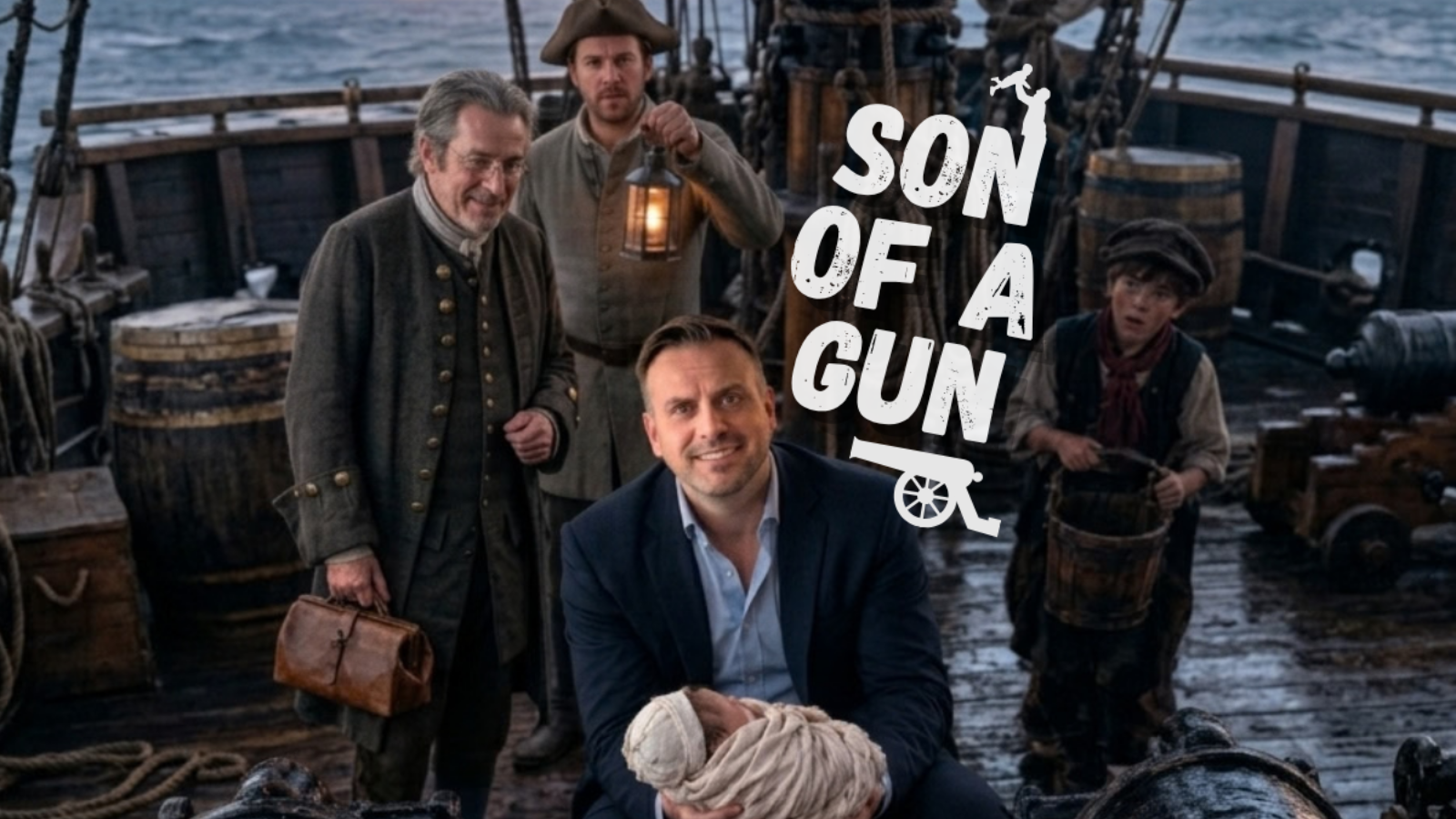
Where "son of a gun" really comes from: babies born between the cannons on Royal Navy gun decks. The history, the fun facts and why it now means grit.