


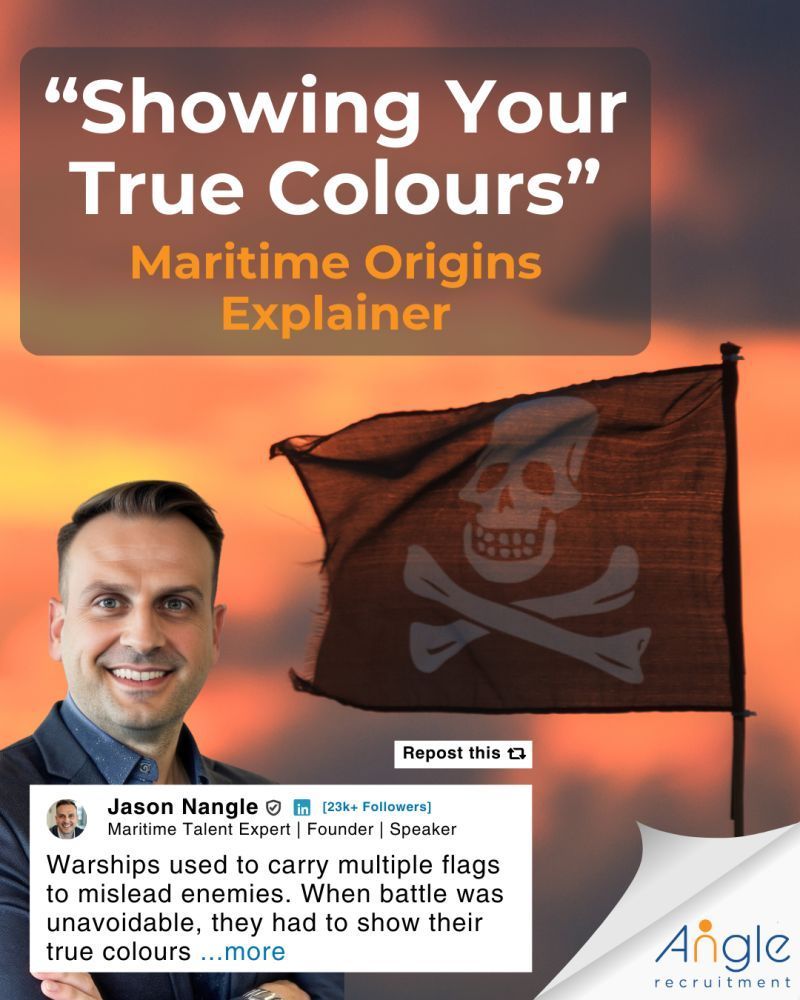
Showing Your True Colours
The phrase comes from the age of sail:
16th to mid-19th centuries, when sailing ships dominated global trade, warfare, and exploration.
Pirates in the 17th-18th century were masters of false flags, flying friendly or neutral colours to lure merchant ships into a false sense of security.
Only when they got close did they hoist the infamous Jolly Roger...
Forcing their targets to choose: fight and face no mercy, or surrender and hope for mercy.
The tactic was also used in:
the Napoleonic Wars,
the American Revolution and Civil War,
and both World Wars.
But it was very likely in use thousands of years earlier as well.
Fun Facts
It was perfectly legal… until the last moment.
Under the laws of naval warfare, ships were allowed to sail under false colours.
But they had to raise their true flag before firing.
-⚓️-
Submarines used it too.
In both World Wars, Q-ships disguised as harmless merchant ships lured German U-boats to the surface before attacking.
-⚓️-
The phrase became a metaphor.
Today,
“false flag” refers to actions designed to
deceive or mislead about who is responsible
The Maritime Origins Series
Maritime Origins is a storytelling series created by Jason Nangle, Founder of Angle Recruitment, a global maritime recruitment and executive search firm.
The series explores the fascinating history behind everyday phrases that originated at sea, as well as the remarkable stories, traditions and characters that have shaped maritime culture.
Many sayings still used today were first spoken by sailors navigating the challenges of life on board ships. Alongside these phrase origins, the series also highlights lesser-known maritime stories, legends and historical moments from the world of shipping.
Through short stories and visual posts, Maritime Origins connects the language, heritage and traditions of seafarers with the modern maritime industry.
New posts in the series launch every Tuesday on LinkedIn and are then shared across other platforms including Instagram, YouTube, TikTok and X. Follow
Jason Nangle on LinkedIn and Angle Recruitment across your preferred social platforms.
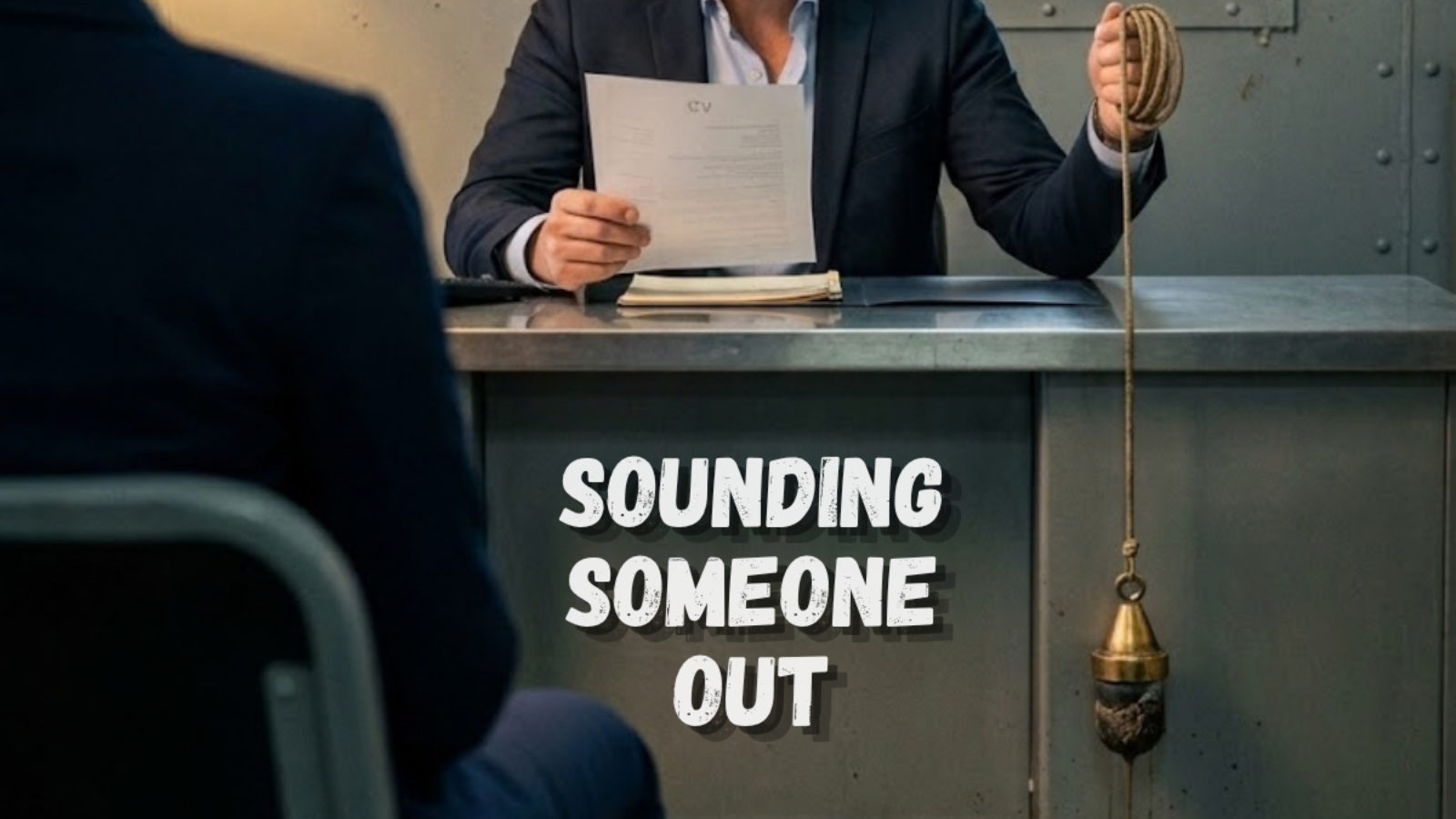
Sounding someone out: the leadsman's weighted line, the tallow that read the seabed, how Mark Twain got his name, and why an interview answer is half the story.

The golden rivet: the shipyard wind up that sent every new hand into the bilges, the Royal Navy's ruder version, and the hidden talent recruiters actually find.
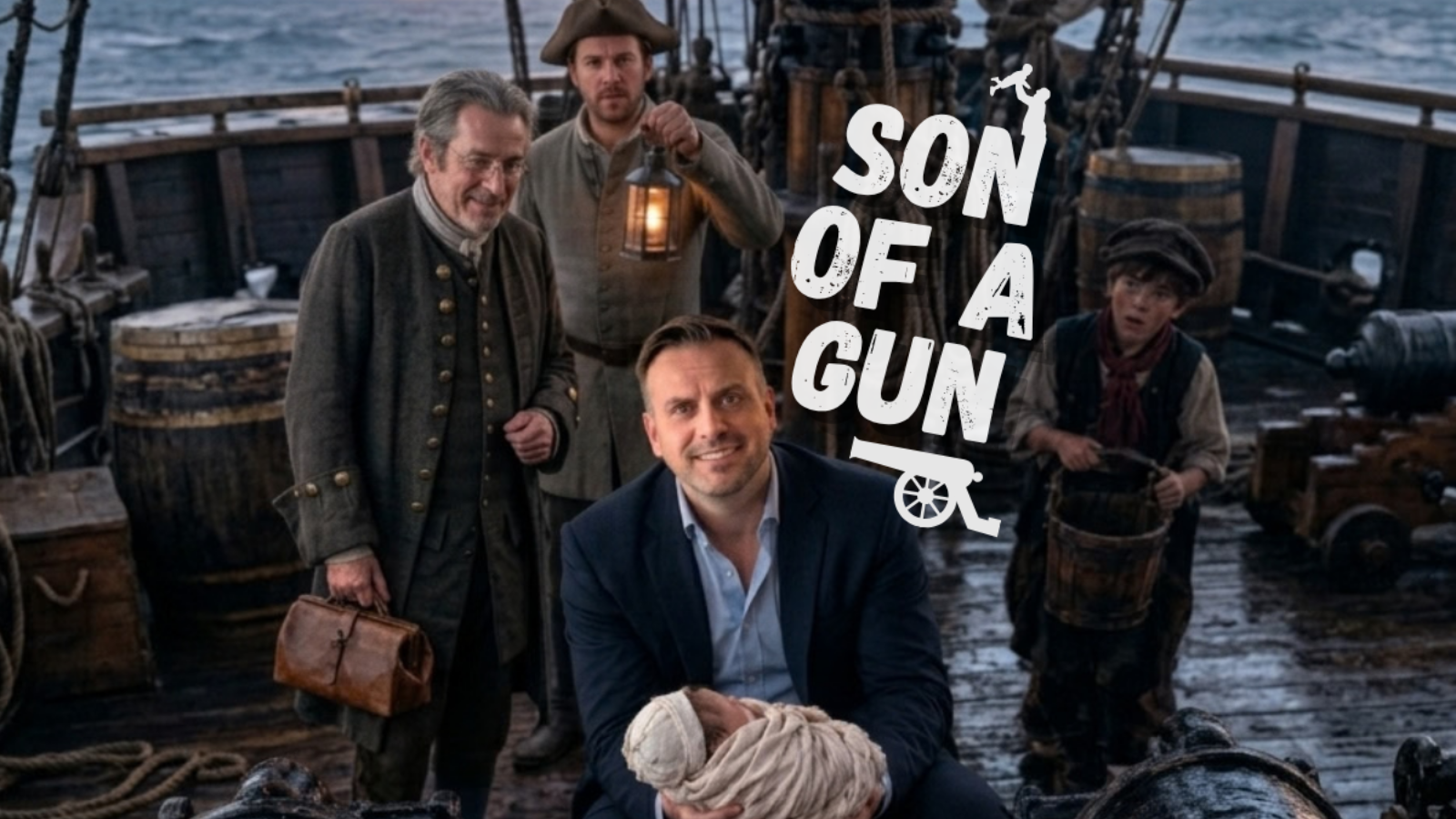
Where "son of a gun" really comes from: babies born between the cannons on Royal Navy gun decks. The history, the fun facts and why it now means grit.