


Loose Cannon
On old wooden warships,
cannons were mounted on wheels and lashed down with ropes.
If one broke free in heavy seas,
it became the most dangerous thing on board…
smashing into planks, crew, and anything in its path.
A single loose cannon could even sink a ship.
Today, the phrase has shifted…
It describes people who are
unpredictable,
unrestrained,
and occasionally explosive in the workplace.
Sometimes, a loose cannon brings the disruption you need to spark change.
Other times…
They’re a fast track to chaos.

Fun Facts 💡
⚓️. The danger was very real.
In rough seas, a loose cannon could roll from one side of the gun deck to the other, crushing crew and smashing through bulkheads. For sailors already working between the devil and the deep blue sea, a runaway gun was the last thing they needed.
⚓️. Warships were packed with cannons
Ships of the line often carried 60–100 cannons. Keeping the crew motivated to maintain them through long voyages was its own challenge - some sailors even worked off advance pay before leaving port, which is where we get the phrase flogging a dead horse.
⚓️. The phrase entered politics early
By the
1800s, newspapers were already using “loose cannon” to describe politicians who acted unpredictably.
The Maritime Origins Series
Maritime Origins is a storytelling series created by Jason Nangle, Founder of Angle Recruitment, a global maritime recruitment and executive search firm.
The series explores the fascinating history behind everyday phrases that originated at sea, as well as the remarkable stories, traditions and characters that have shaped maritime culture.
Many sayings still used today were first spoken by sailors navigating the challenges of life on board ships. Alongside these phrase origins, the series also highlights lesser-known maritime stories, legends and historical moments from the world of shipping.
Through short stories and visual posts, Maritime Origins connects the language, heritage and traditions of seafarers with the modern maritime industry.
New posts in the series launch every Tuesday on LinkedIn and are then shared across other platforms including Instagram, YouTube, TikTok and X. Follow
Jason Nangle on LinkedIn and Angle Recruitment across your preferred social platforms.
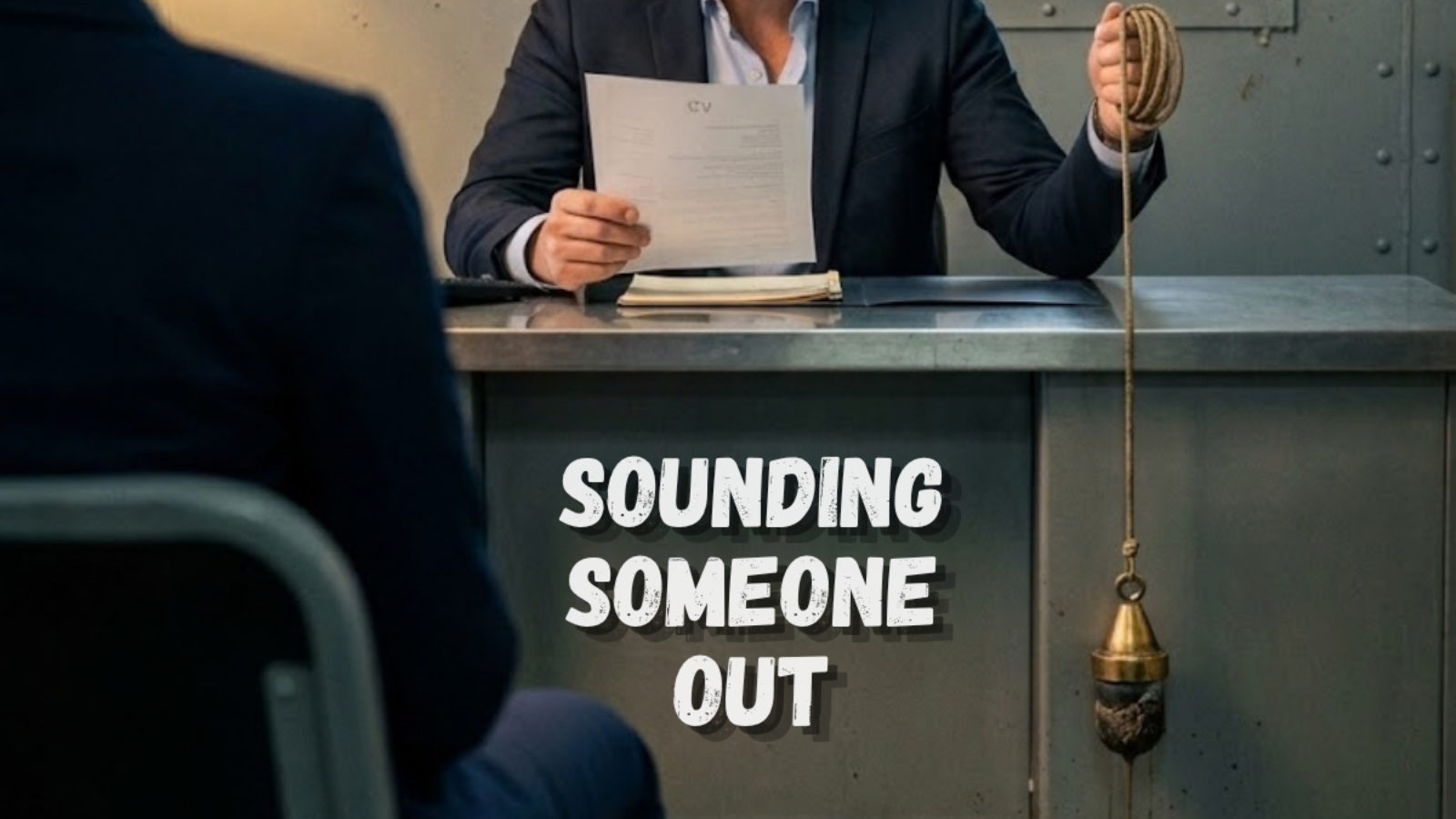
Sounding someone out: the leadsman's weighted line, the tallow that read the seabed, how Mark Twain got his name, and why an interview answer is half the story.
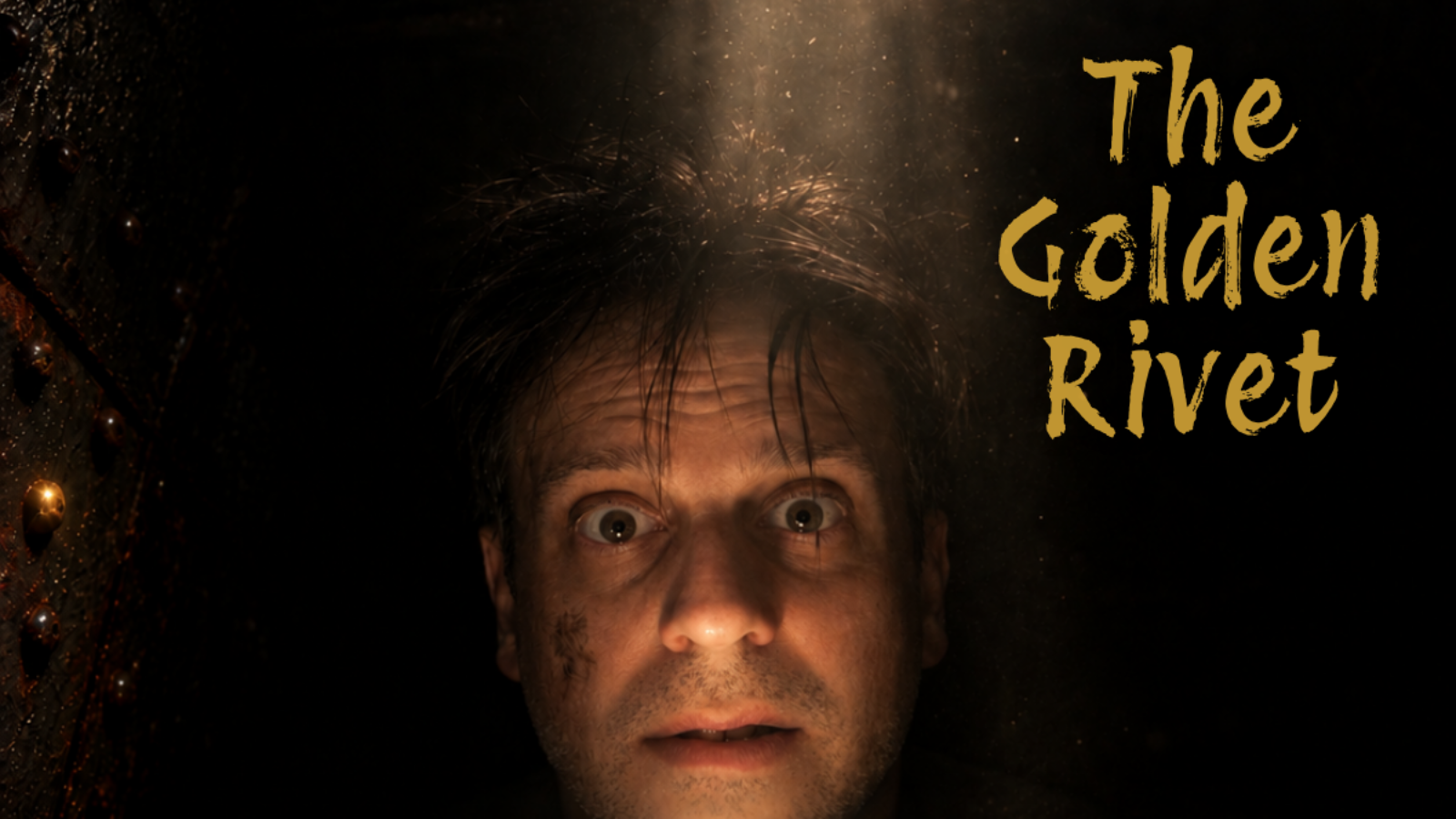
The golden rivet: the shipyard wind up that sent every new hand into the bilges, the Royal Navy's ruder version, and the hidden talent recruiters actually find.
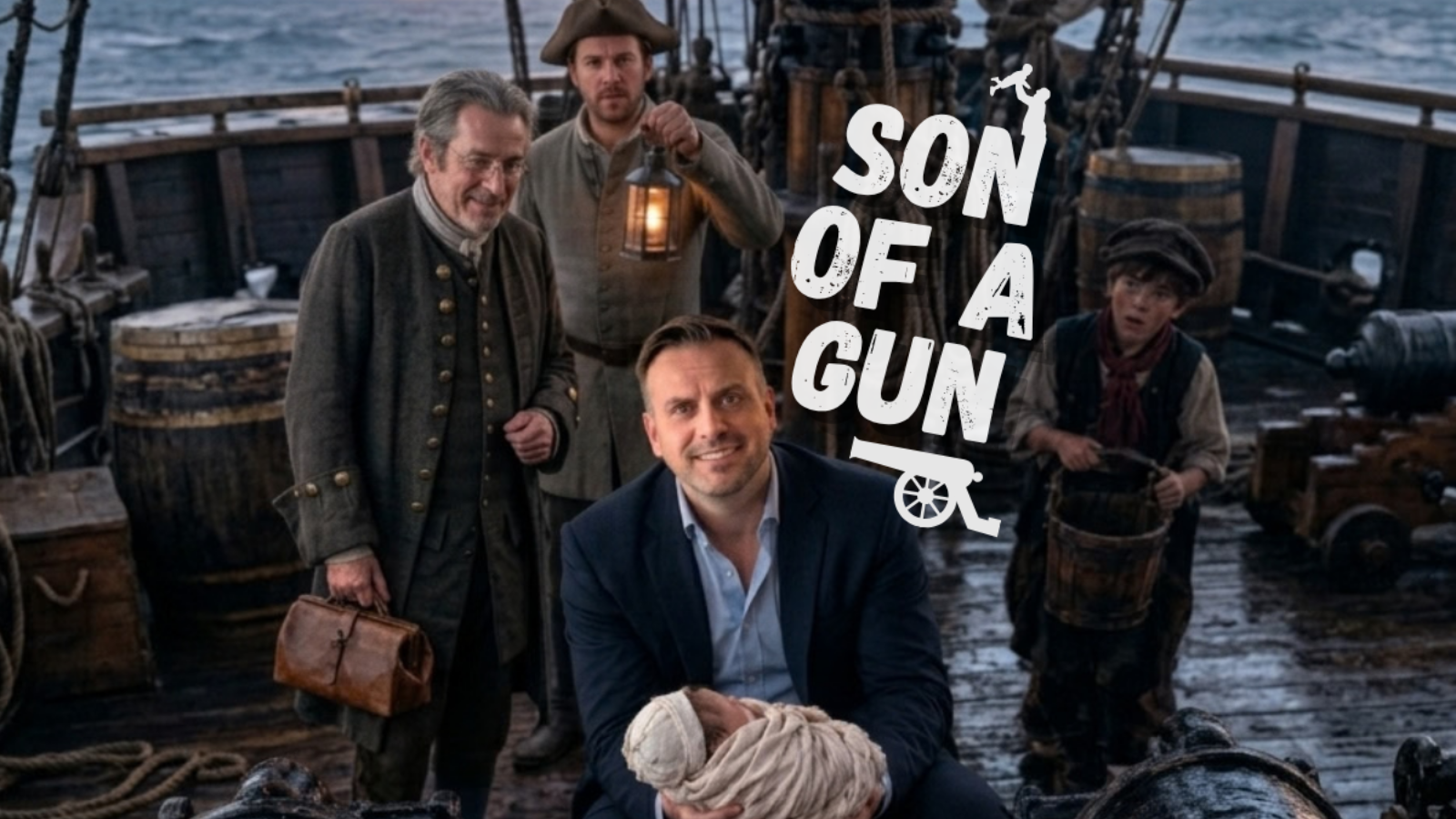
Where "son of a gun" really comes from: babies born between the cannons on Royal Navy gun decks. The history, the fun facts and why it now means grit.