


Nausea...
When the Sea Gets Inside Your Head 🤢
I worked on cruise ships. I saw things I cannot unsee 😳
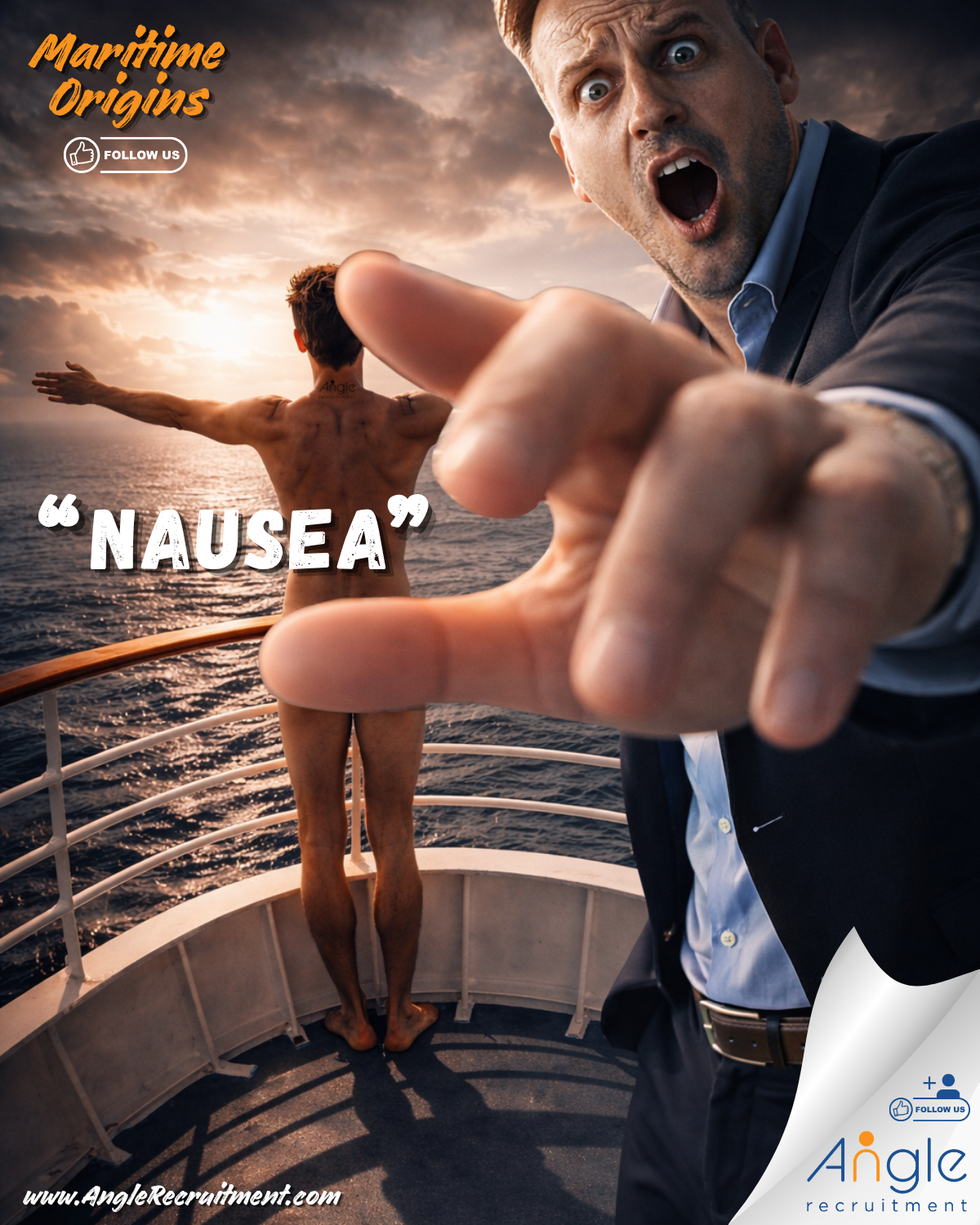
Naked passengers walking the decks 🫣
Seasick passengers would wear a behind-the-ear medicine patch…
Occasionally you’d spot someone strolling the deck, completely naked, utterly calm, just… enjoying the ocean breeze.
Living their best life. Slightly too freely.
Certain motion sickness patches don’t just calm the stomach.
They calm everything.
Including inhibition.
But here’s the thing.
The word “nausea” goes back around 2,500 years.
To Ancient Greece.
From naus.
Meaning ship.
The original word, nausia, had just one meaning.
Seasickness 🤢
Today, “nausea” describes that same sick feeling…
just no longer limited to seasickness.
The sea still finds ways to humble you.
Sometimes gently.
Sometimes memorably.
Sometimes… in full view of the lido deck.
Fun Facts 💡
⚓️ The ancient Greeks believed seasickness was caused by the sea god Poseidon punishing disrespectful sailors. Praying before departure was considered standard pre-voyage health advice.
⚓️ Admiral Lord Nelson was chronically seasick. One of the greatest naval commanders in history spent much of his career feeling terrible at sea, right up until Trafalgar. Nelson was also responsible for one of history's most famous acts of defiance - and the phrase that came with it. Turn a Blind Eye.
⚓️ NASA studied seasickness extensively before early space missions. They called it Space Adaptation Syndrome and found that around half of all astronauts experience it. Turns out the stomach doesn't care whether you're on water or in orbit.
⚓️ Scopolamine patches are placed behind the ear because the skin there absorbs the drug efficiently into the bloodstream, which is why that tiny patch can pack quite a punch.
⚓️ Sailors have had their own colourful word for seasickness for over a century.
Chunder - now firmly part of
Australian slang - almost certainly has its roots at sea, where the warning cry from the upper decks was very much appreciated by anyone standing below.
The Maritime Origins Series
Maritime Origins is a storytelling series created by Jason Nangle, Founder of Angle Recruitment, a global maritime recruitment and executive search firm.
The series explores the fascinating history behind everyday phrases that originated at sea, as well as the remarkable stories, traditions and characters that have shaped maritime culture.
Many sayings still used today were first spoken by sailors navigating the challenges of life on board ships. Alongside these phrase origins, the series also highlights lesser-known maritime stories, legends and historical moments from the world of shipping.
Through short stories and visual posts, Maritime Origins connects the language, heritage and traditions of seafarers with the modern maritime industry.
New posts in the series launch every Tuesday on LinkedIn and are then shared across other platforms including Instagram, YouTube, TikTok and X. Follow
Jason Nangle on LinkedIn and Angle Recruitment across your preferred social platforms.
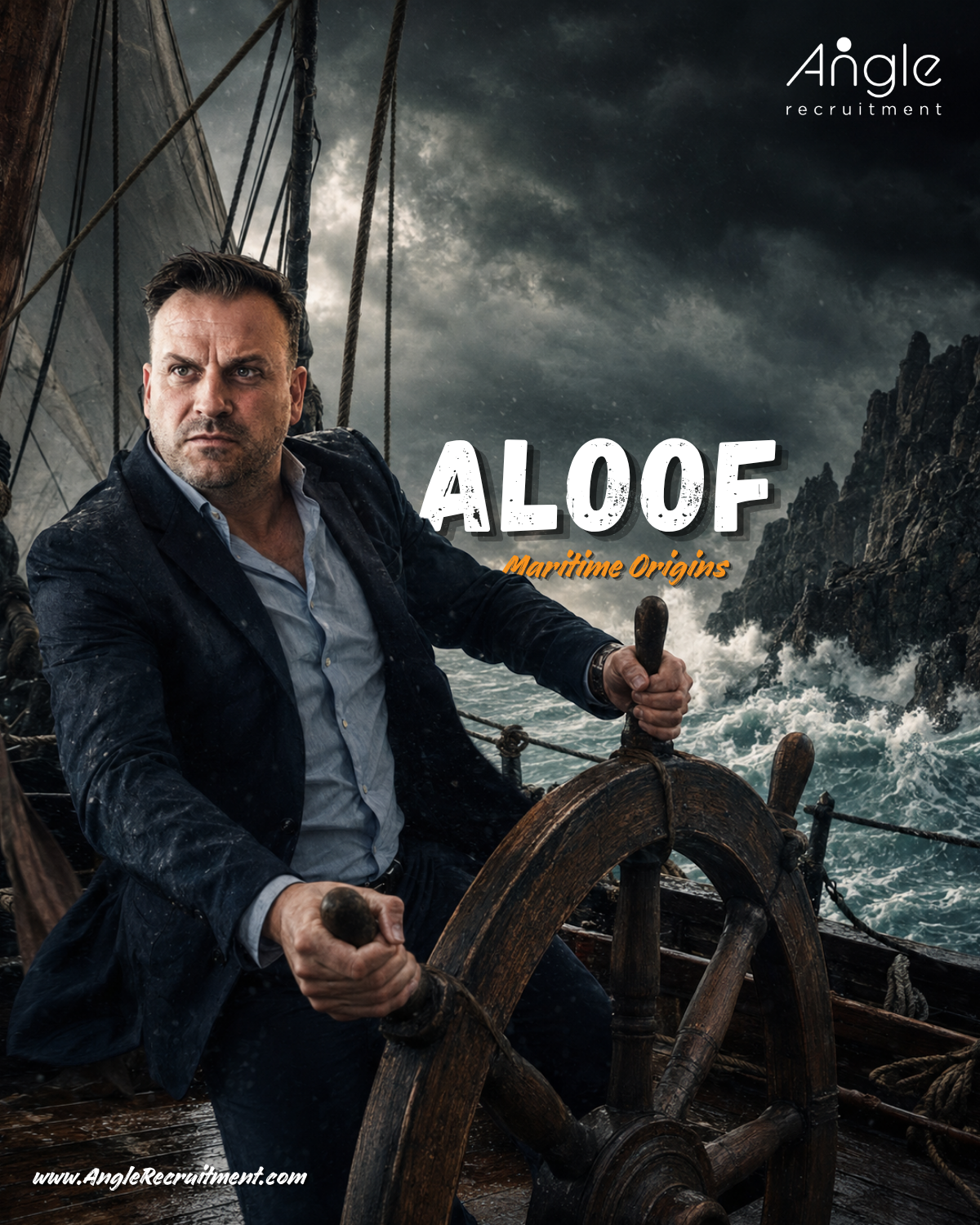
Aloof began as a Tudor helm order to keep a ship's head to windward and clear of a lee shore. How a lifesaving steer became a snub. Maritime Origins.
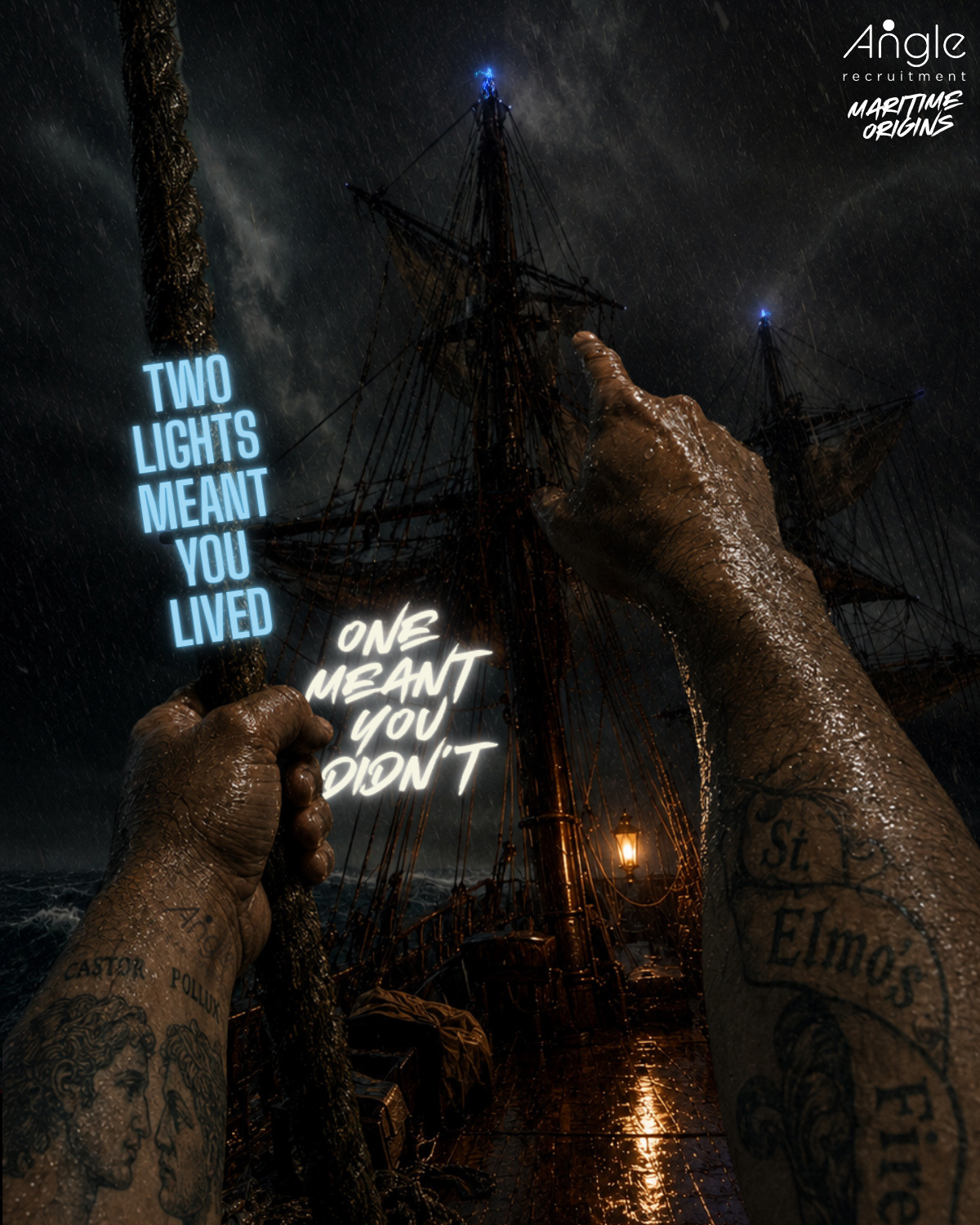
The mast glows blue. No heat, no flame, just tension in the air. Once a sign from the gods, now called St Elmo’s Fire. Still enough to unsettle any crew.

After the Benlomond sank in 1942, Poon Lim spent 133 days alone on a life raft, surviving through ingenuity, resourcefulness and extraordinary determination.