


By and Large
A phrase we use all the time to mean 'generally speaking' or 'on the whole', but like so many great expressions,
By and Large comes straight from the maritime world.
First documented in 1674 in a nautical dictionary by Captain John Smith (not the Pocahontas one - the English sailor and explorer), describing a ship’s ability to sail in different wind conditions.
“By” meant sailing into the wind.
“Large” meant sailing with the wind at your back.
A ship that could sail both by and large was one that could handle any conditions, an all-rounder if you will.
So next time you say ‘by and large,’ just know you’re channelling the spirit of a well-rigged sailing vessel, adjusting to the winds to stay on course.
The Maritime Origins Series
Maritime Origins is a storytelling series created by Jason Nangle, Founder of Angle Recruitment, a global maritime recruitment and executive search firm.
The series explores the fascinating history behind everyday phrases that originated at sea, as well as the remarkable stories, traditions and characters that have shaped maritime culture.
Many sayings still used today were first spoken by sailors navigating the challenges of life on board ships. Alongside these phrase origins, the series also highlights lesser-known maritime stories, legends and historical moments from the world of shipping.
Through short stories and visual posts, Maritime Origins connects the language, heritage and traditions of seafarers with the modern maritime industry.
New posts in the series launch every Tuesday on LinkedIn and are then shared across other platforms including Instagram, YouTube, TikTok and X. Follow
Jason Nangle on LinkedIn and Angle Recruitment across your preferred social platforms.

The golden rivet: the shipyard wind up that sent every new hand into the bilges, the Royal Navy's ruder version, and the hidden talent recruiters actually find.
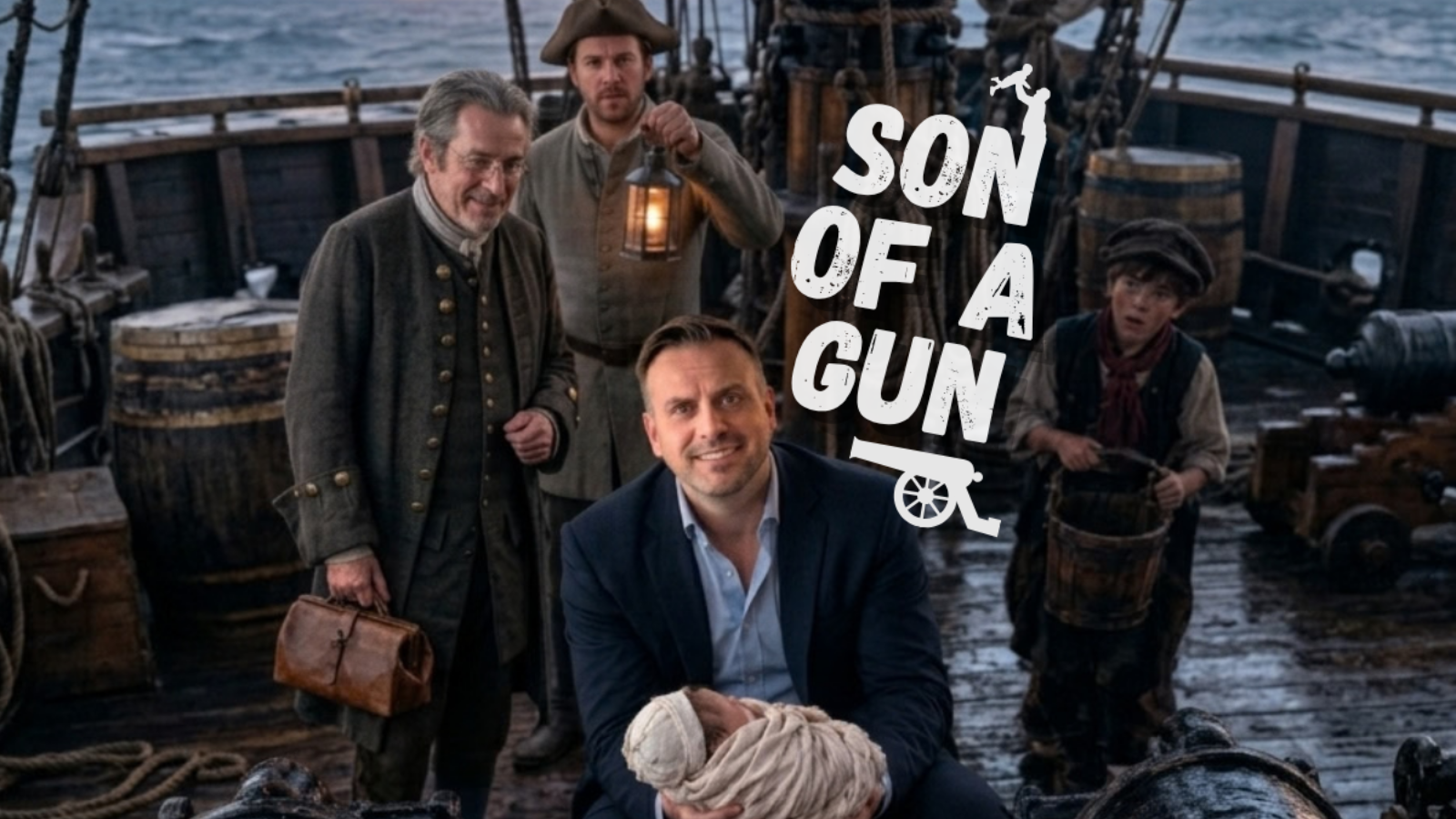
Where "son of a gun" really comes from: babies born between the cannons on Royal Navy gun decks. The history, the fun facts and why it now means grit.
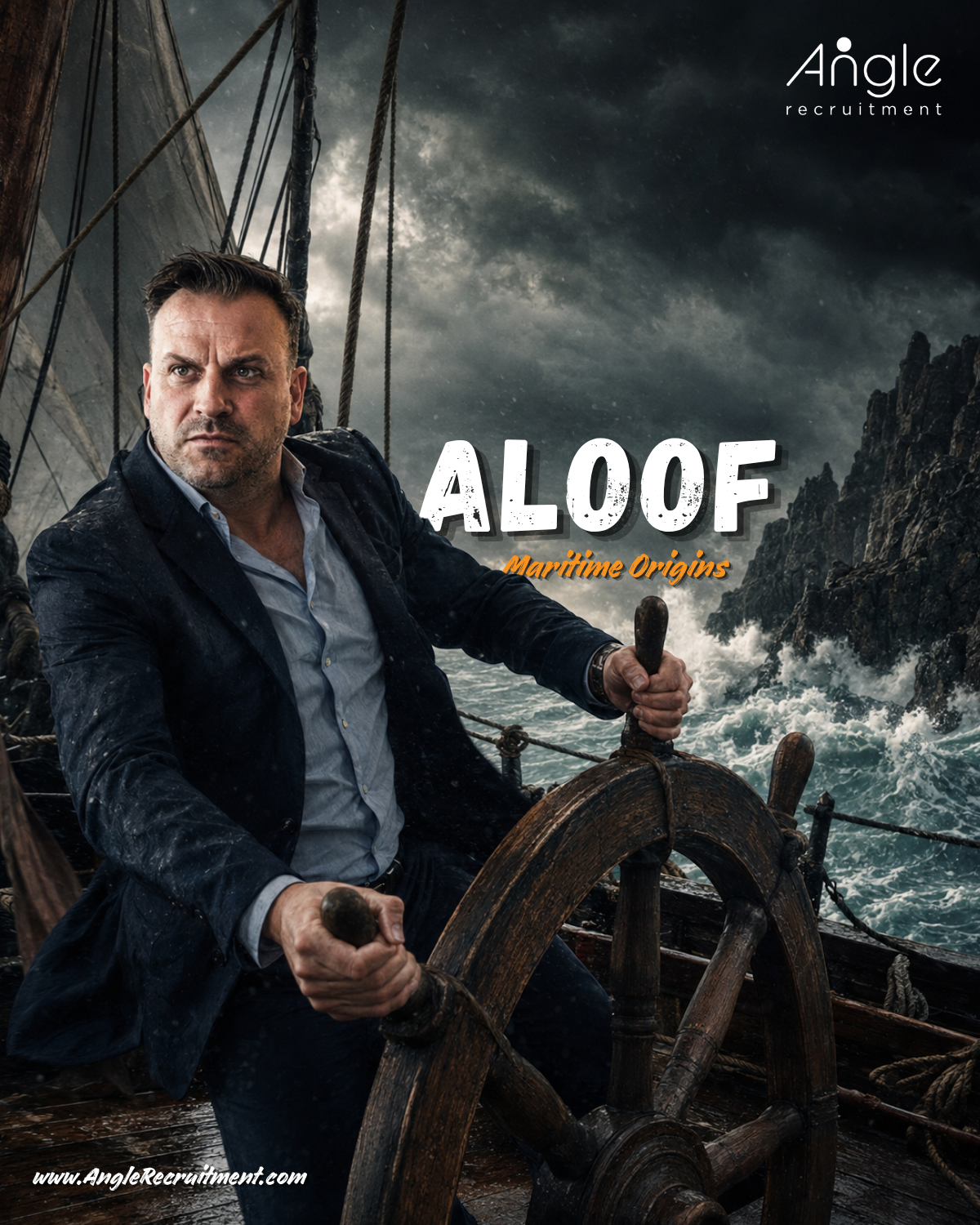
Aloof began as a Tudor helm order to keep a ship's head to windward and clear of a lee shore. How a lifesaving steer became a snub. Maritime Origins.