


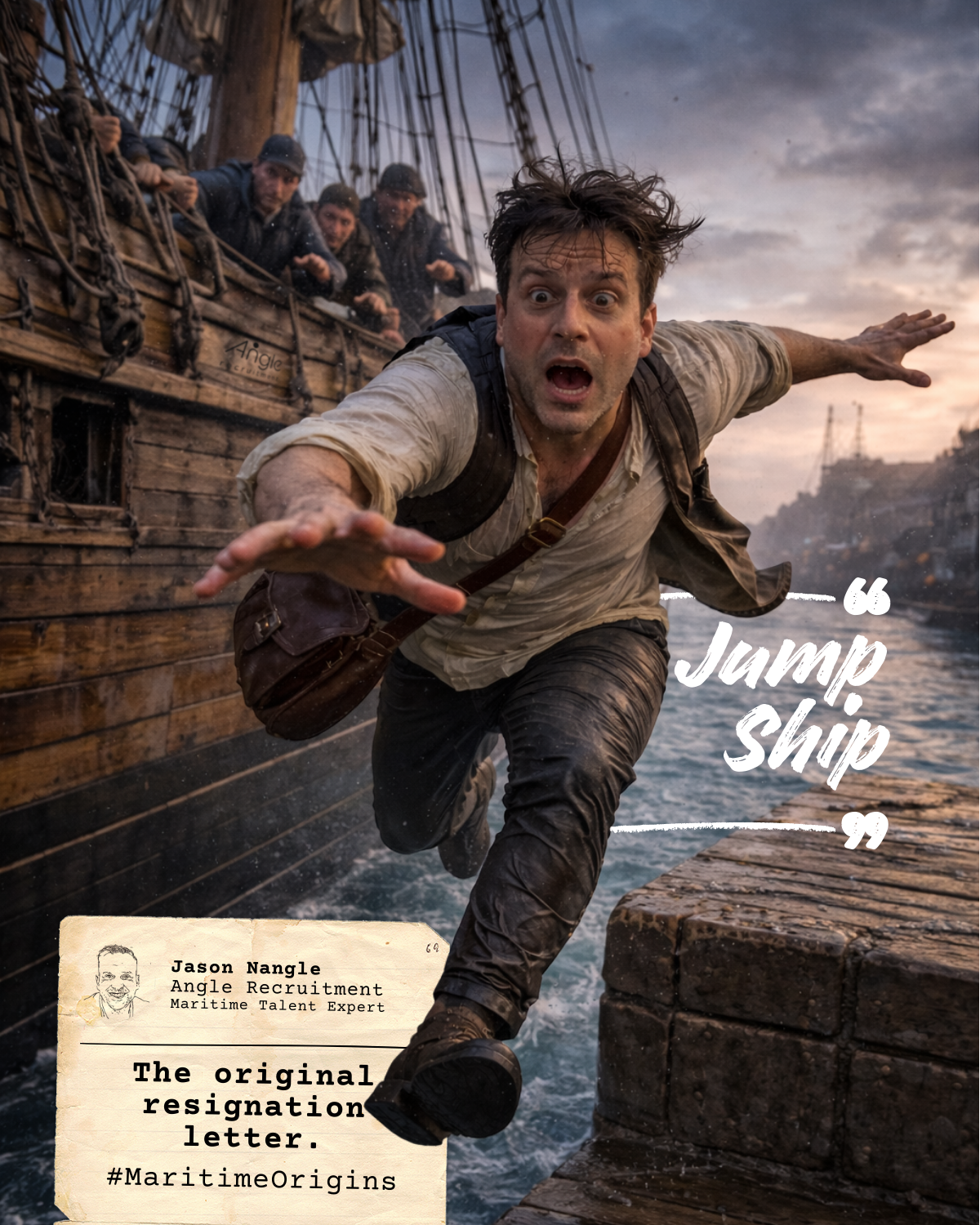
Jump Ship...
When you just can't stand it any more.
In the age of sail, “jumping ship” meant exactly what it sounds like.
A sailor abandoning his vessel without permission.
Usually to escape harsh discipline, poor pay, or brutal conditions at sea.
In many ports it was illegal.
Captains could pursue deserters.
But for some sailors, staying aboard was worse than the consequences of leaving.
So they jumped.
Today the phrase lives on in the workplace.
Leaving a company when things look uncertain.
Fun Facts
⚓️. Some sailors couldn't wait to get off the ship. Others couldn't imagine life anywhere else. Unsinkable Sam survived three ships sinking beneath him during WWII - and kept finding his way back to sea.
⚓️. By the late 1800s, newspapers began using “jump ship” metaphorically.
🗞️ Politicians who abandoned a failing party…
📉 Investors who sold a collapsing company…
😩 Employees leaving unstable firms…
⚓️. The Gold Rush caused a mass “jump ship” crisis
One of the most famous examples happened during the California Gold Rush in 1849.
When ships arrived in San Francisco, thousands of sailors deserted immediately to go prospecting.
Some ships were left completely abandoned in the harbour because the entire crew jumped ship.
⚓️. Sometimes you don't get to jump ship. When Hernán Cortés landed in Mexico in 1519 with 600 men to conquer the Aztec Empire, he made the decision for everyone. Burn the Ships.
No retreat.
No choice.
Win or die.
⚓️ Some sailors literally jumped overboard
Many sailors actually jumped into the harbour and swam ashore to avoid being stopped by officers at the gangway.
Ports like Liverpool, Sydney and New York were notorious for this... People died trying.
The Maritime Origins Series
Maritime Origins is a storytelling series created by Jason Nangle, Founder of Angle Recruitment, a global maritime recruitment and executive search firm.
The series explores the fascinating history behind everyday phrases that originated at sea, as well as the remarkable stories, traditions and characters that have shaped maritime culture.
Many sayings still used today were first spoken by sailors navigating the challenges of life on board ships. Alongside these phrase origins, the series also highlights lesser-known maritime stories, legends and historical moments from the world of shipping.
Through short stories and visual posts, Maritime Origins connects the language, heritage and traditions of seafarers with the modern maritime industry.
New posts in the series launch every Tuesday on LinkedIn and are then shared across other platforms including Instagram, YouTube, TikTok and X. Follow
Jason Nangle on LinkedIn and Angle Recruitment across your preferred social platforms.

The golden rivet: the shipyard wind up that sent every new hand into the bilges, the Royal Navy's ruder version, and the hidden talent recruiters actually find.
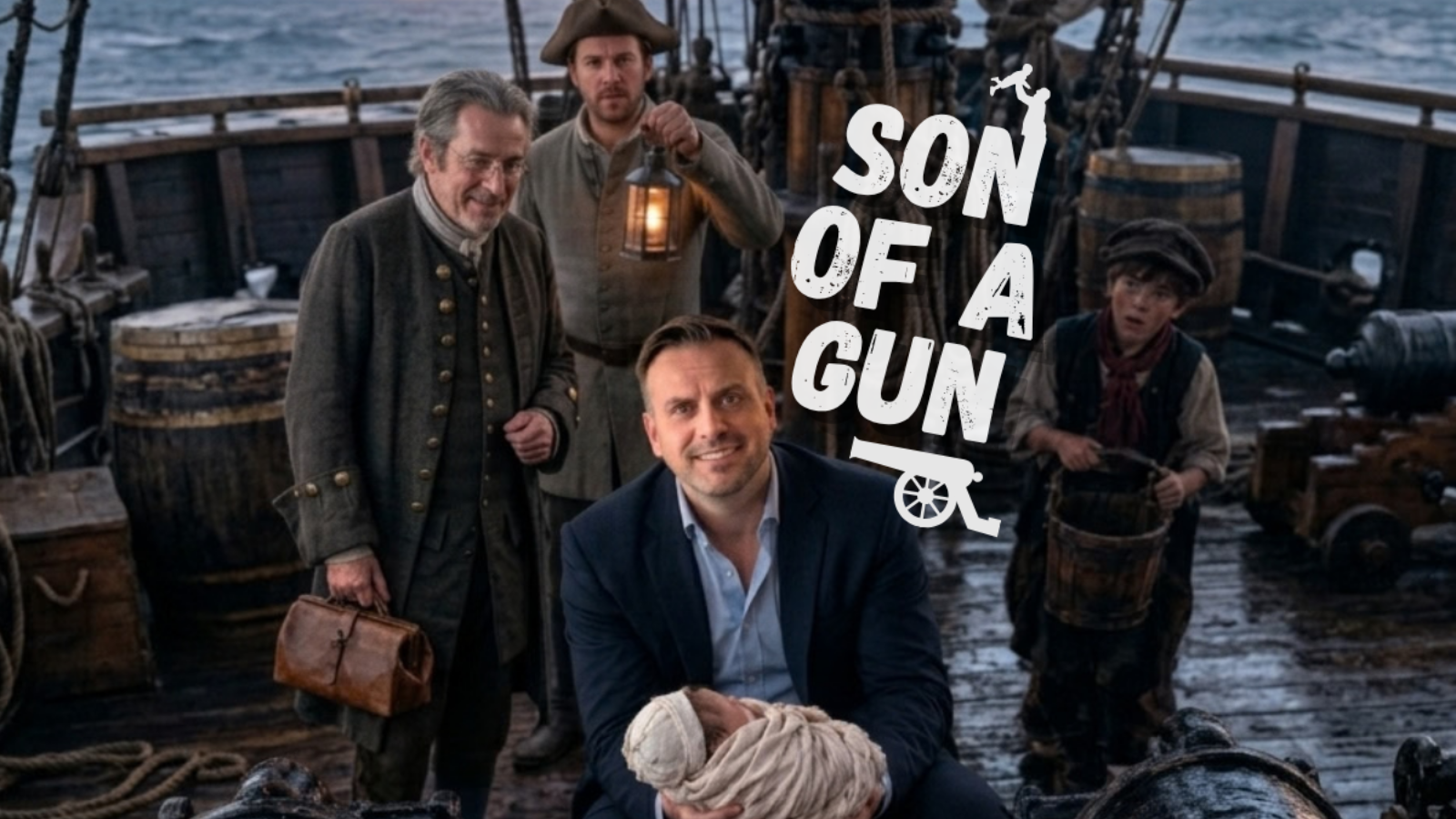
Where "son of a gun" really comes from: babies born between the cannons on Royal Navy gun decks. The history, the fun facts and why it now means grit.
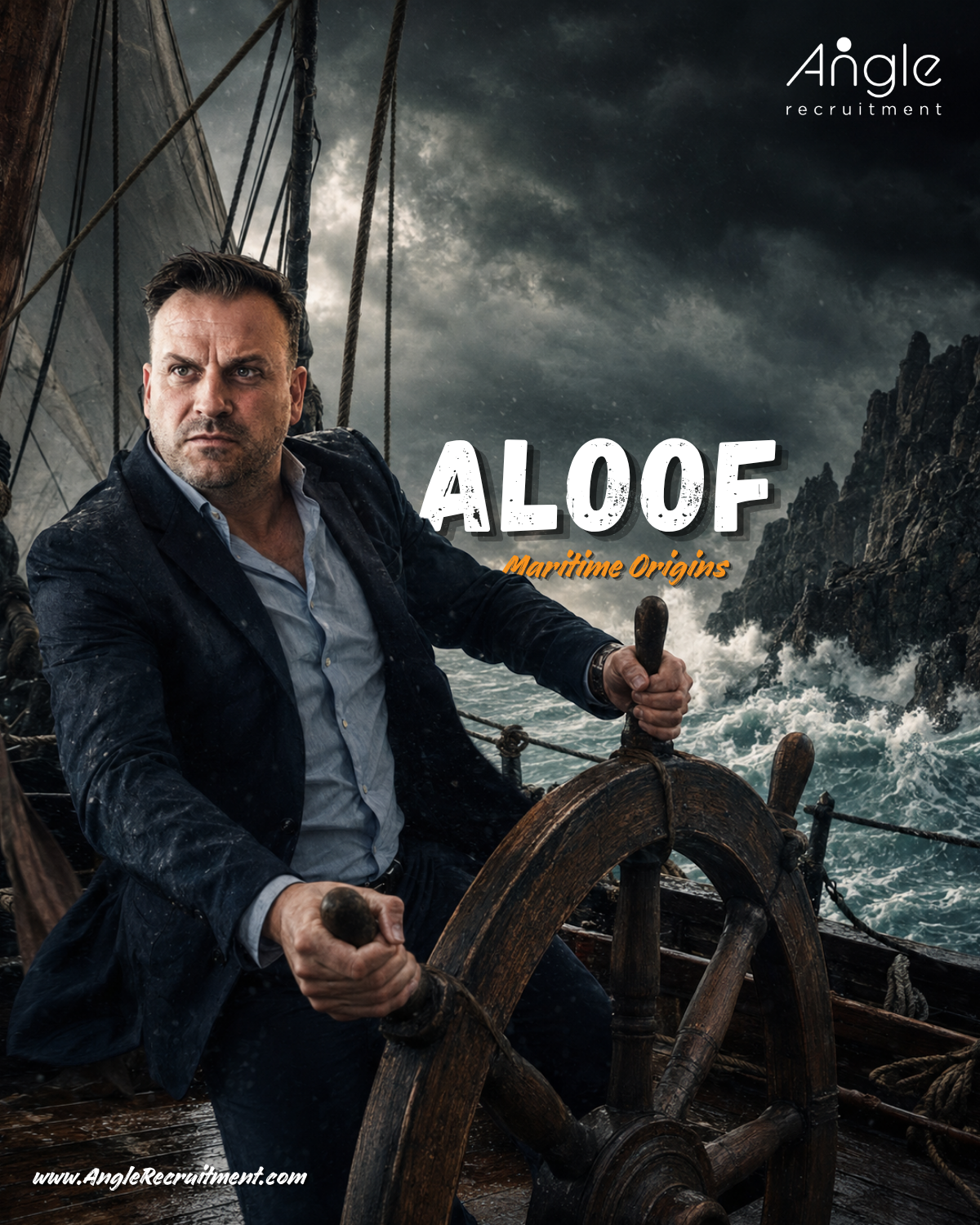
Aloof began as a Tudor helm order to keep a ship's head to windward and clear of a lee shore. How a lifesaving steer became a snub. Maritime Origins.