


Cut and Run:
When the Anchor Isn't Worth the Ship
The resignation landed by email at 8:02 on a Monday.
He never came in.
No notice period.
No conversation.
No handover.
Gone.
He'd cut and run.
⚓️
But where does the phrase come from?
In the age of sail, hauling up an anchor took ages.
Muscle, sweat, and a capstan turning inch by inch.
So when danger appeared on the horizon… an enemy sail, a storm rolling in… captains gave one order:
Cut the cable.
🪓 Axe through the hemp rope.
⚓️ Anchor abandoned on the seabed.
⛵️ Ship away in minutes, not hours.
An anchor cost a fortune.
But a captured ship cost everything.

Some say it also meant slashing the ties holding furled sails, so they'd drop in seconds… historians still argue over which came first.
The meaning stuck.
Get out fast. Take the loss. Don't look back.
Smart escape or cowardly desertion… depends on who's telling the story.
The captain sacrificed his own anchor.
Our man at 8:02 cut the crew's.
⚓️
If you've ever stayed in a job you'd already quit in your head…
Or kept a bad hire because letting them go meant admitting you made one…
You know the hardest part isn't the cutting.
It's accepting the anchor is already lost.
🫡 Angle Recruitment, Maritime Talent Experts
The cut is your call. The run is where we come in.
Fun Facts
💡 The cable on a big warship was up to 60cm round…
Thick as a telegraph pole and weighing several tonnes.
Cutting one wasn't a single heroic swing. It was frantic, sweaty minutes with the enemy closing.
💡 Captains didn't always kiss the anchor goodbye.
Crews would lash a buoy to the severed end before running, then sail back later to sweep for it once the danger passed.
Some anchors were recovered. Most weren't.
💡 The anchor cable was such a fixture of life at sea it became a unit of distance…
One cable = a tenth of a nautical mile, roughly 185 metres. Still on navigation charts today.
Maritime Origins is a weekly storytelling series exploring the sea-born origins of phrases we still use on land, along with the lesser-known stories, legends and characters that shaped maritime culture.
Created by Jason Nangle, founder of Angle Recruitment, a global maritime recruitment and executive search firm.
New episode every Tuesday on LinkedIn. Also on Instagram, YouTube and Facebook.

The golden rivet: the shipyard wind up that sent every new hand into the bilges, the Royal Navy's ruder version, and the hidden talent recruiters actually find.
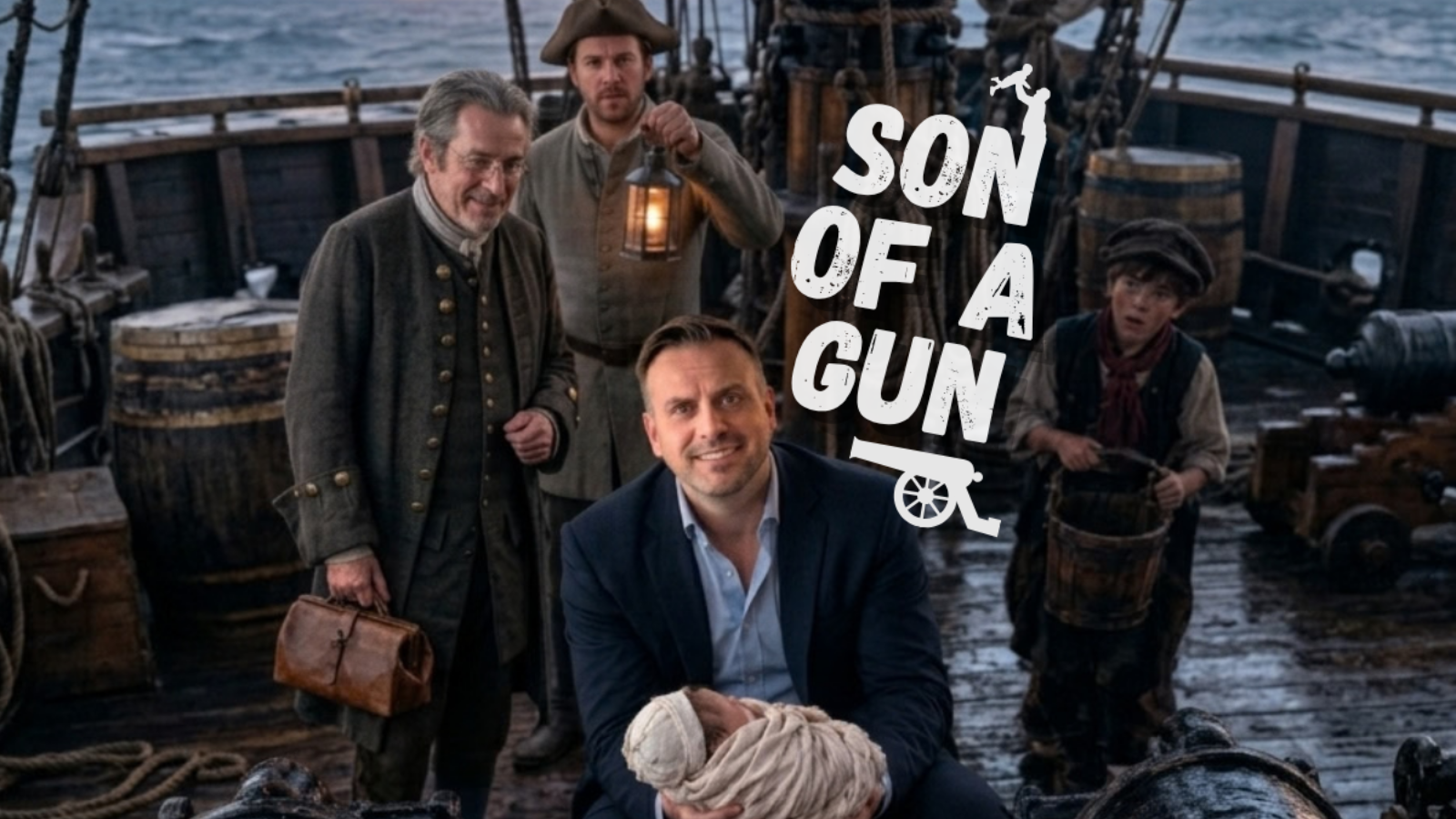
Where "son of a gun" really comes from: babies born between the cannons on Royal Navy gun decks. The history, the fun facts and why it now means grit.
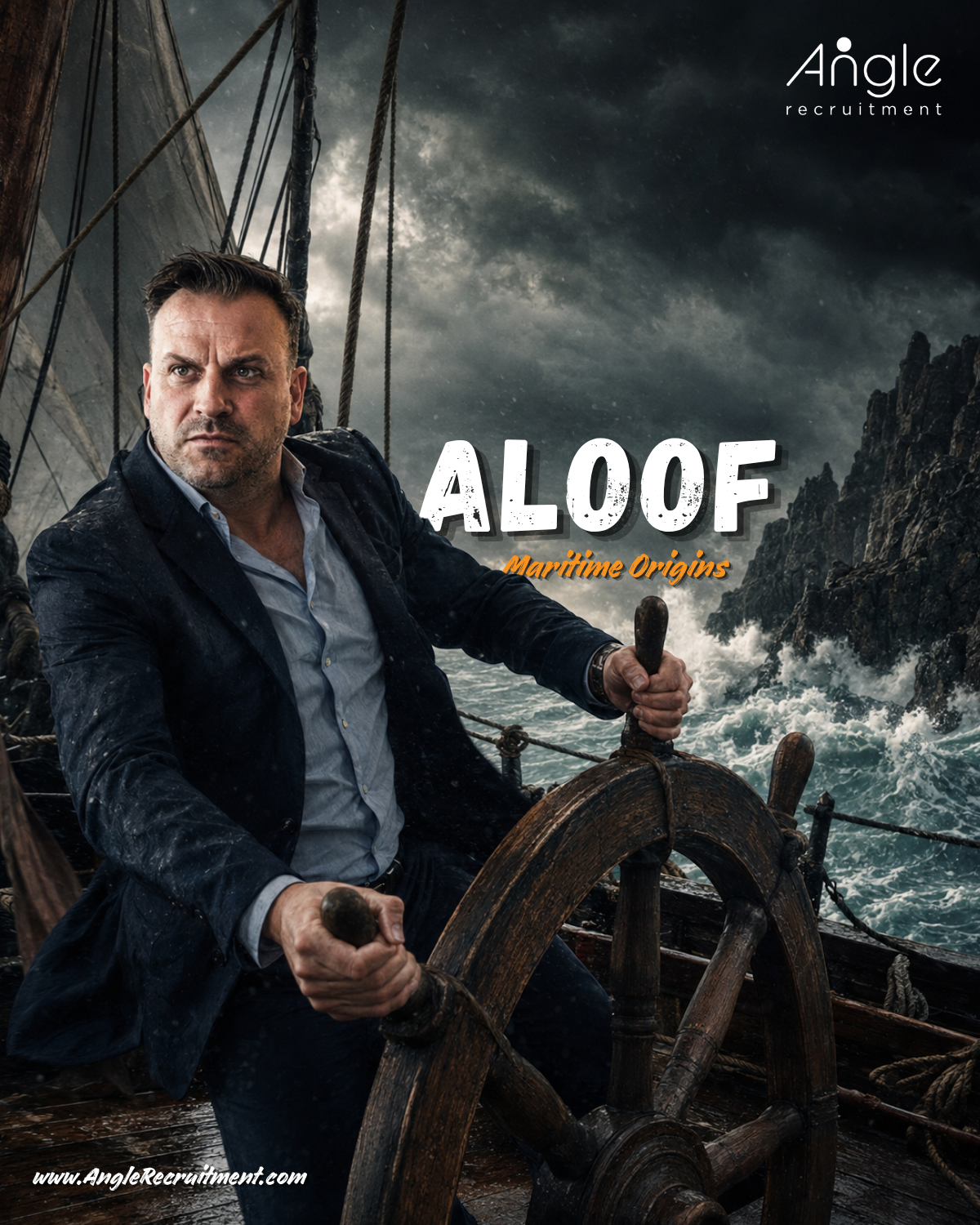
Aloof began as a Tudor helm order to keep a ship's head to windward and clear of a lee shore. How a lifesaving steer became a snub. Maritime Origins.