


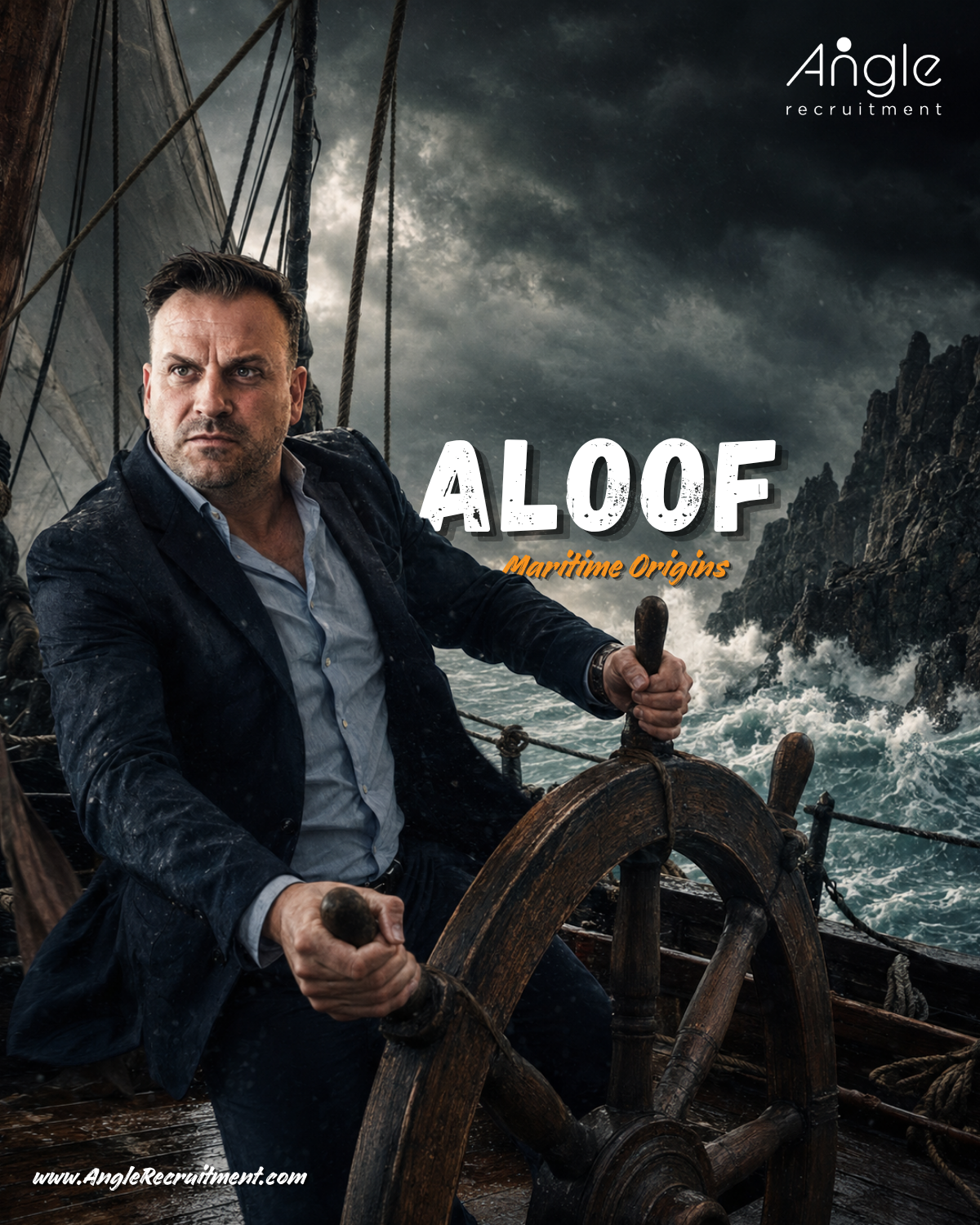
Aloof began as a Tudor helm order to keep a ship's head to windward and clear of a lee shore. How a lifesaving steer became a snub. Maritime Origins.
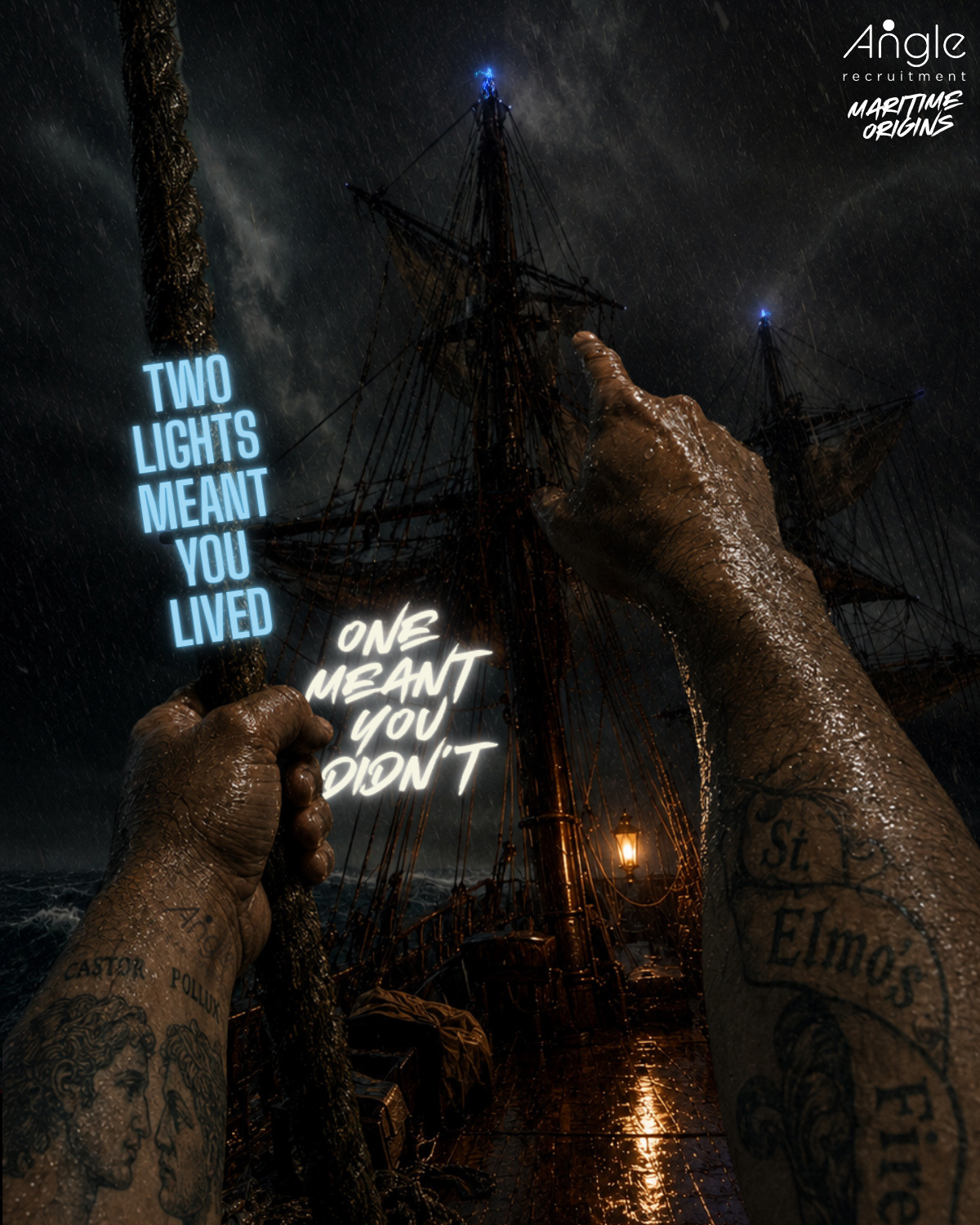
The mast glows blue. No heat, no flame, just tension in the air. Once a sign from the gods, now called St Elmo’s Fire. Still enough to unsettle any crew.

After the Benlomond sank in 1942, Poon Lim spent 133 days alone on a life raft, surviving through ingenuity, resourcefulness and extraordinary determination.
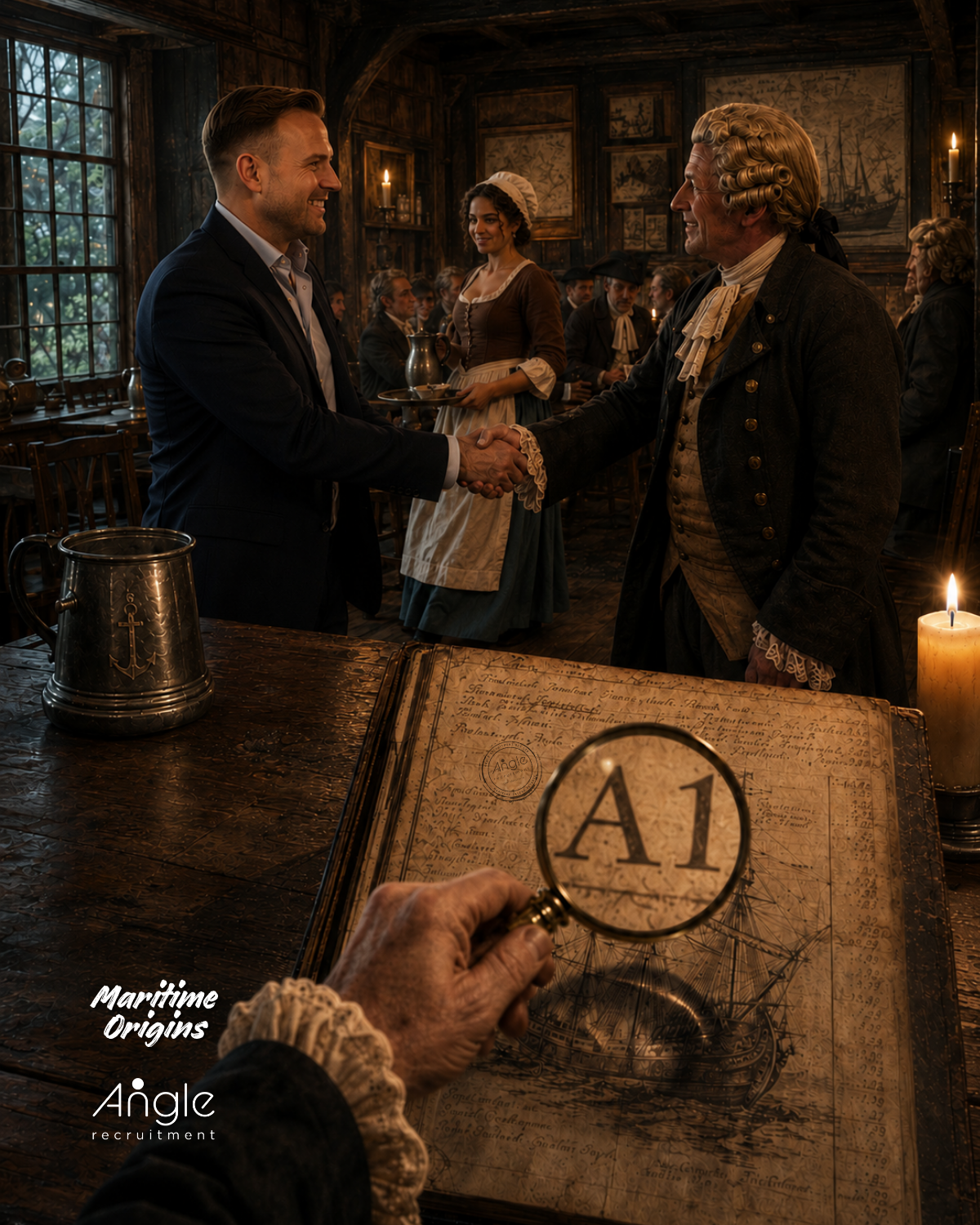
A1 wasn't always a boast, it started as a ship survey at Lloyd's coffee house in the 1680s. Discover how two characters became shorthand for the best today.
Sailors had a phrase for a rite of passage that killed 10,000 of them, Rounding the Horn. Discover the deadly voyage and what it takes to survive in recruitment.
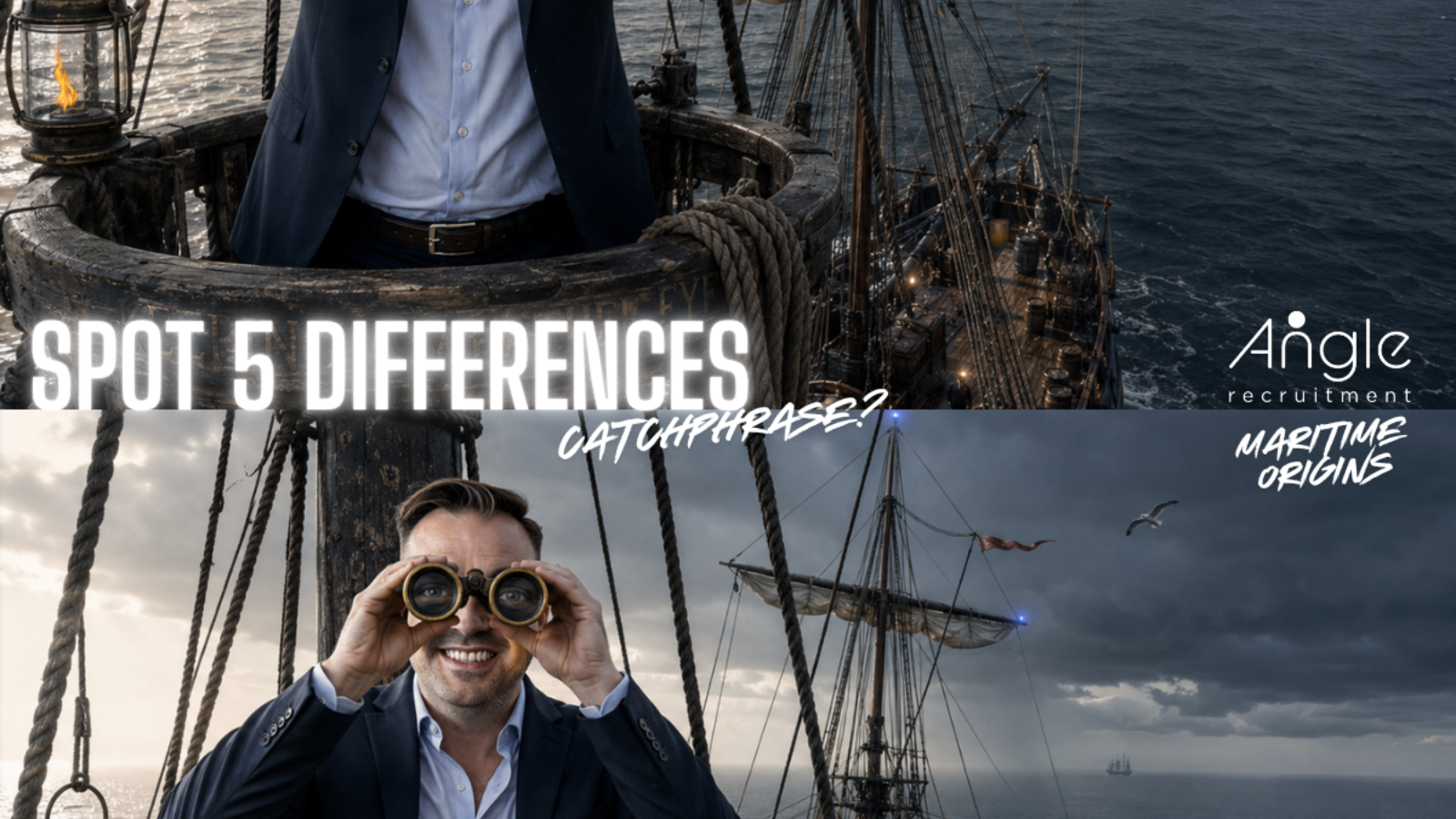
The sailor's habit of watching the sky before the storm, and why recruiters never really switch it off
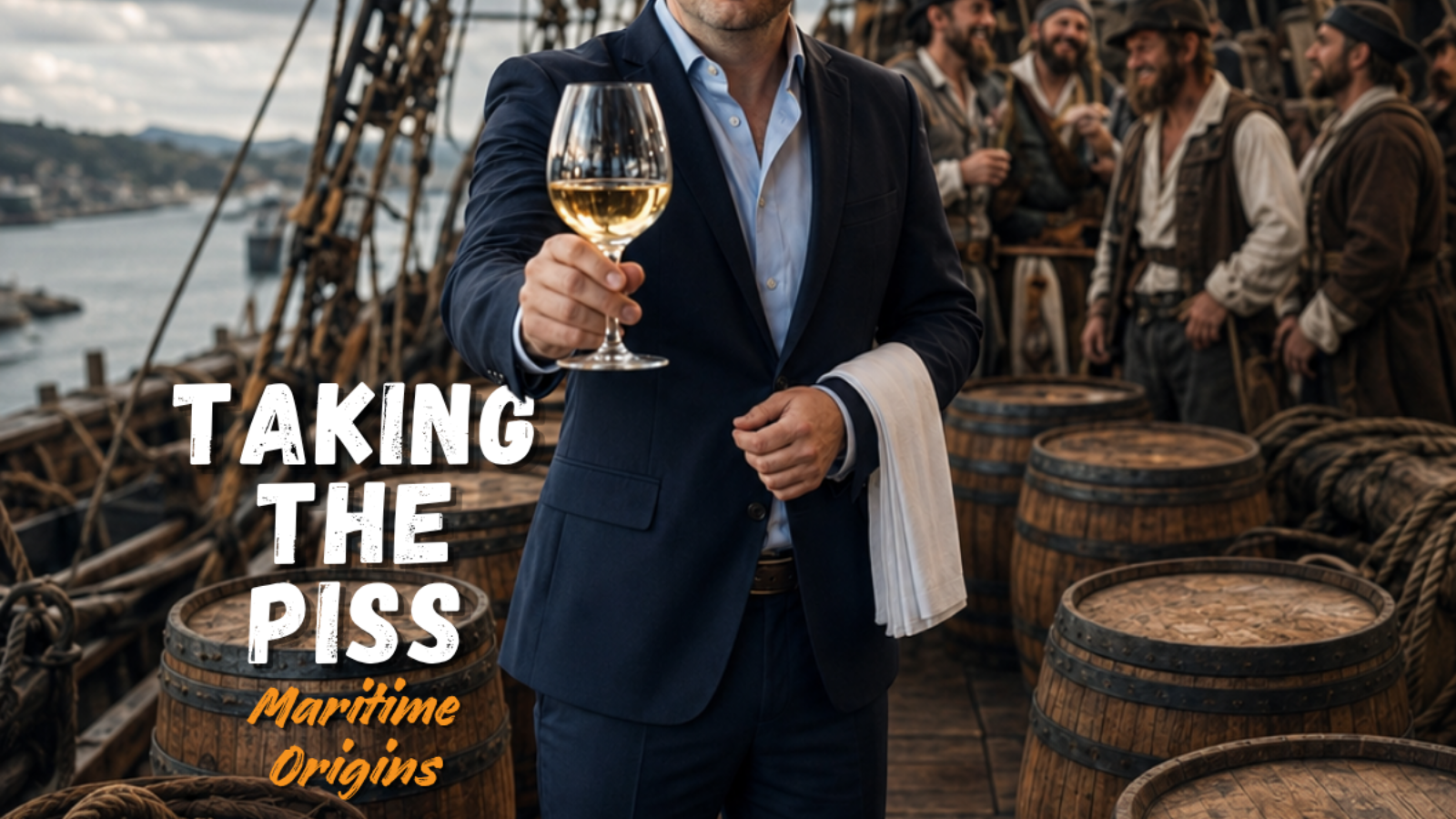
Piss boats, switched barrels, or 1700s slang? The three competing origins of "taking the piss", why historians can't agree, and the theory we'd put money on.

Why did sailors take an axe to their own anchor? The maritime origin of "cut and run", and what it teaches us about leaving jobs, and bad hires, behind.
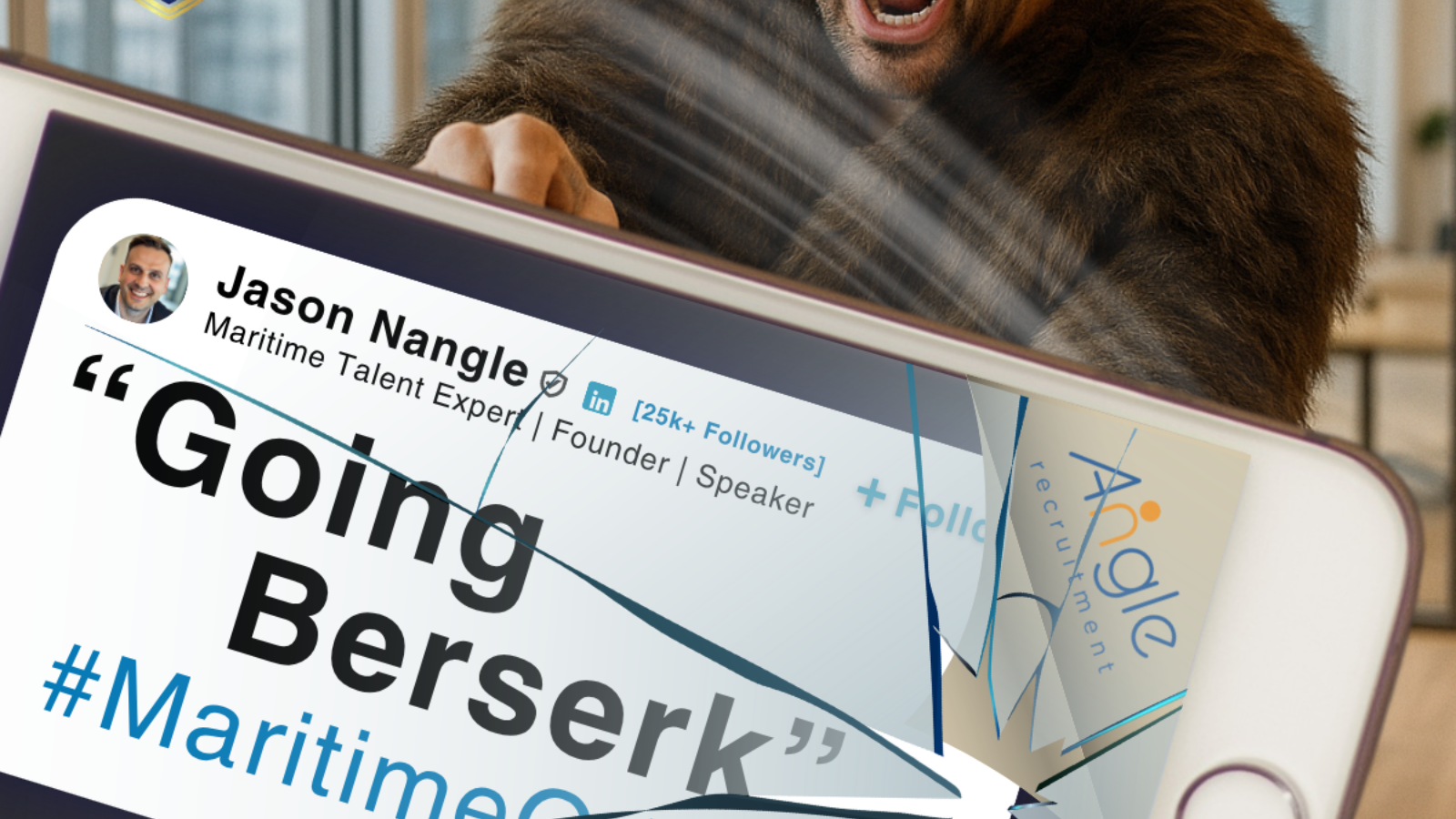
Bear-shirts, bare chests, or a total loss of control? Discover the brutal 1,000-year history behind going "berserk" and how the Norse sagas still argue.

The most successful pirate in history: a woman who commanded 1,800 ships, beat three navies, then negotiated a pardon and retired rich.